DWF Labs Partner: Trump’s $5,000 Stimulus Could Trigger 2021-Style Crypto Bull Run
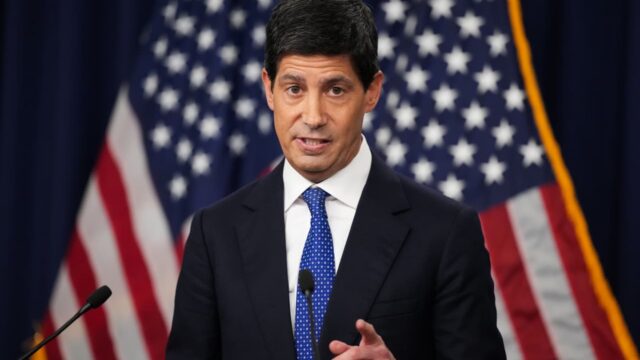
TREE NEWS reports: DWF Labs managing partner Andrei Grachev has suggested that if Republicans retain control of Congress in the U.S. midterm elections and former President Donald Trump’s proposal to distribute $5,000 to every American adult is ultimately implemented, the scale could be comparable to the pandemic-era stimulus checks that helped fuel the 2021 crypto bull market.
Grachev’s comments highlight a growing narrative in digital asset markets: that fiscal policy — not just monetary policy — could become a major catalyst for the next leg of crypto adoption and price appreciation.
From Stimulus Checks to Crypto Inflows
The 2020–2021 period saw direct payments of up to $1,400 per eligible adult under the American Rescue Plan, alongside earlier rounds of $1,200 and $600. A significant portion of those funds flowed into retail trading accounts, including crypto exchanges. That wave of liquidity coincided with Bitcoin’s run to nearly $69,000 and a broad altcoin rally that pushed total crypto market capitalization above $3 trillion.
A new $5,000 per-adult payout would be substantially larger — potentially exceeding $1 trillion in total outlays depending on eligibility rules. Even a modest allocation of that sum into digital assets could represent hundreds of billions of dollars in potential buying pressure, dwarfing the retail inflows seen in 2021.
Political and Policy Uncertainty
The proposal remains highly contingent on political outcomes. Republicans would need to maintain or expand their congressional majority, and any such legislation would face intense debate over cost, inflation impact, and deficit implications. Economists across the spectrum have warned that large-scale direct transfers could reignite inflationary pressures, complicating the Federal Reserve’s path toward rate normalization.
For crypto markets, the key question is not only whether the stimulus passes, but how recipients choose to deploy the funds. In 2021, easy access to mobile trading apps, low-friction onboarding at exchanges like Coinbase and Robinhood, and strong momentum in meme coins and NFTs created a direct pipeline from stimulus deposits to speculative assets.
Market Implications
- Retail liquidity surge: A repeat of 2021-style inflows could disproportionately benefit retail-favored assets such as Bitcoin, Ethereum, Solana, and high-beta altcoins.
- Inflation hedge narrative: If stimulus reignites inflation concerns, Bitcoin’s “digital gold” thesis could gain renewed traction among both retail and institutional investors.
- Regulatory scrutiny: A flood of new retail participants could intensify calls for consumer protection rules and tighter oversight of crypto exchanges and DeFi platforms.
- Volatility risk: Liquidity-driven rallies are often followed by sharp corrections once stimulus effects fade, as seen in the 2022 bear market.
Forward-Looking Perspective
While the probability of a $5,000 universal payout remains speculative, the broader trend is clear: fiscal stimulus has become a structural feature of U.S. economic policy, and crypto markets have proven highly sensitive to liquidity conditions. Traders and investors should monitor political developments around the midterms, the composition of Congress, and any concrete legislative text around direct payments.
If the proposal advances, it could serve as a powerful accelerant for crypto adoption — but it would also amplify the boom-bust dynamics that have long characterized digital asset markets. The lesson from 2021 is that stimulus-driven rallies can be spectacular, but they are rarely permanent without sustained organic demand.