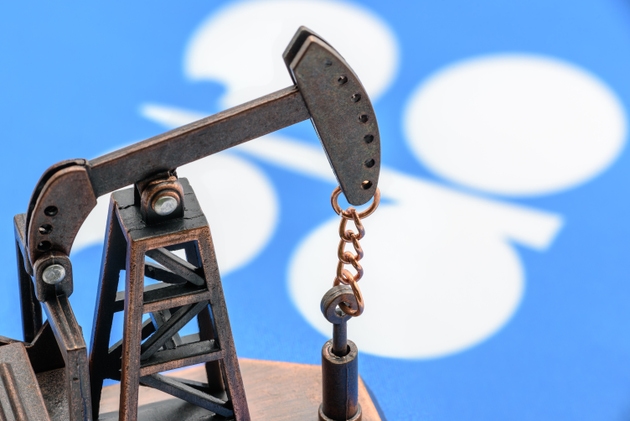
OPEC+ Keeps November Quotas Unchanged Despite Mounting Supply Pressure
TREE NEWS reports: OPEC and its allies confirmed they will leave November crude production targets unchanged, resisting calls to open the taps even as a tightening supply picture pushes physical markets toward their most stretched levels in months. The group’s Joint Ministerial Monitoring Committee signaled that current quotas remain appropriate, effectively locking in the deep cuts first introduced in 2022 and extended through multiple rollovers since. The decision lands against a backdrop of supply disruptions, resilient demand from Asia, and a geopolitical risk premium that has steadily crept back into crude benchmarks.
What Happened
At its latest gathering, the producer alliance opted to maintain existing output levels rather than accelerate the phased unwind of voluntary cuts. Several members — most notably those carrying the largest spare capacity — had been expected to push for higher volumes to reclaim market share, but the group prioritized price stability over volume growth. The move effectively validates the view that OPEC+ is comfortable defending a floor under Brent rather than chasing incremental barrels into an uncertain demand environment.
Why It Matters for Markets
The immediate read-through is bullish for crude. A static quota in the face of a supply squeeze reinforces the risk of further inventory draws and keeps the front end of the futures curve in backwardation. For equities, the implications split sharply:
- Energy stocks: Integrated majors and shale producers benefit from sustained crude prices, though refiners may see margin pressure if feedstock costs rise faster than product prices.
- Airlines, transport, chemicals: Higher fuel costs compress margins and revive the input-cost inflation narrative that central banks had hoped was fading.
- Broad indices: A renewed energy-led inflation impulse complicates the rate-cut timeline, weighing on long-duration growth and tech names.
In fixed income, a stickier oil price supports the case for the Federal Reserve and other central banks to keep policy restrictive for longer, steepening the curve and pressuring the front end. Energy-linked credit — both investment grade and high yield — should find support as cash flows stabilize.
For currencies, the dynamic favors commodity exporters: the Canadian dollar, Norwegian krone, and Brazilian real tend to outperform when crude rallies, while the Japanese yen and euro face headwinds from higher imported energy costs. A stronger dollar, in turn, can cap upside in dollar-denominated commodities.
In crypto, the transmission channel is indirect but real. Persistent inflation pressure from energy keeps real yields elevated, a headwind for risk assets including bitcoin. However, if oil-driven inflation forces central banks to tolerate higher nominal growth, bitcoin’s “digital gold” narrative may reassert itself as a hedge against monetary debasement. Miners, whose profitability is tied to energy costs, face a squeeze if electricity prices climb alongside crude.
The Bigger Picture
OPEC+ is signaling that it will not be rushed into a volume war. The group’s cohesion — fragile at times — is holding because members share a common interest in defending prices ahead of uncertain global demand. But the strategy carries risks: sustained high prices accelerate demand destruction, incentivize non-OPEC supply (US shale, Brazil, Guyana), and invite political pressure from consuming nations.
For investors, the key variable is whether this is a temporary supply squeeze or the start of a structurally tighter oil market. If the former, the trade is tactical — energy equities, commodity currencies, and inflation hedges. If the latter, portfolio construction needs a deeper rethink, with energy exposure, real assets, and inflation-linked bonds earning a permanent seat at the table.
Key Takeaways
- OPEC+ held November targets steady, reinforcing a bullish supply-demand backdrop for crude.
- Energy equities and commodity currencies are the cleanest beneficiaries; transport and chemicals face margin pressure.
- Sticky oil-driven inflation complicates the rate-cut path, pressuring long-duration bonds and growth stocks.
- Bitcoin’s inflation-hedge narrative could regain traction if energy costs keep real yields elevated.
- Watch for demand destruction and non-OPEC supply response as the main risks to the rally.