Galaxy Research Dissects 1.27 Billion Trades on Polymarket
A new Galaxy Research report analyzing 1.27 billion transactions on Polymarket has delivered a sobering verdict for retail traders: roughly 69% of retail accounts are unprofitable, with cumulative losses reaching approximately $339 million. The study, one of the most comprehensive behavioral analyses of a prediction market to date, separates winners from losers and reveals structural asymmetries that echo long-standing patterns in crypto and traditional finance alike.
Who Wins, Who Loses
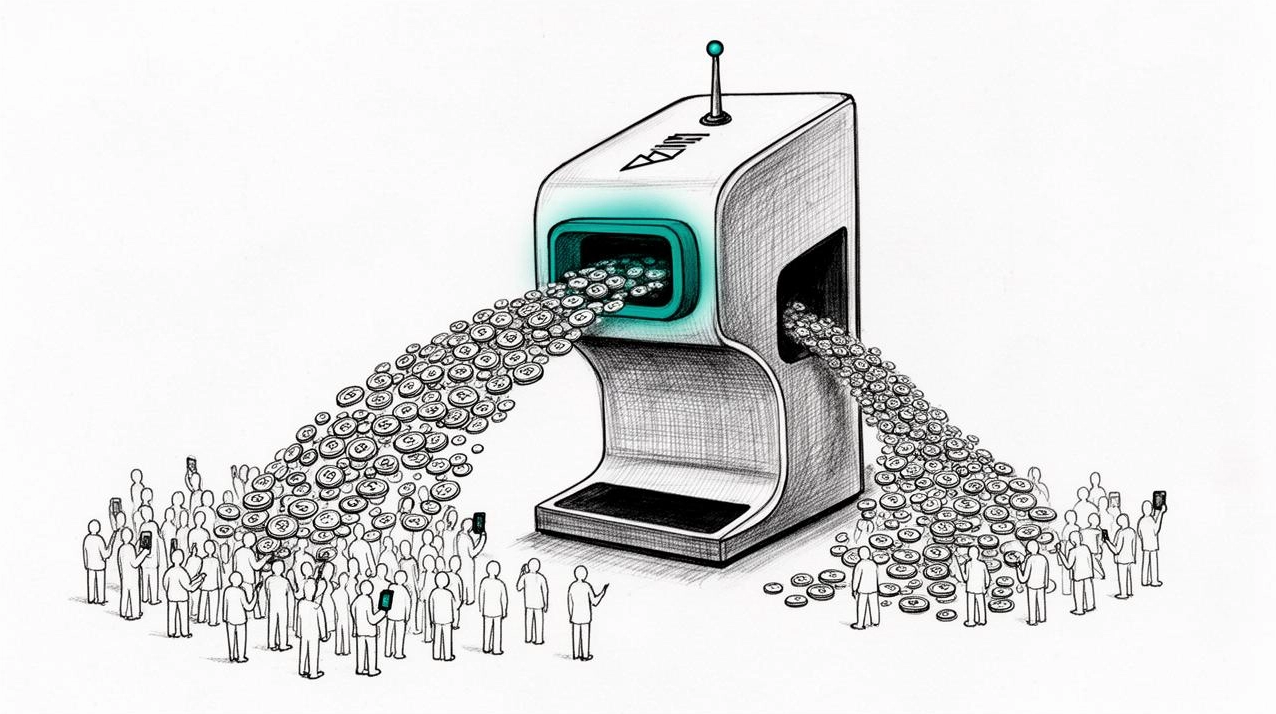
The data shows a stark divide. A small cohort of sophisticated participants — often market makers, quant funds, and highly informed specialists — captures the bulk of profits, while the long tail of retail wallets bleeds capital through a combination of poor timing, adverse selection, and fees. Profitable traders tend to enter early, size positions rationally, and exit before resolution when odds shift. Losing accounts frequently chase momentum, buy favorites at inflated probabilities, and hold to resolution on low-conviction bets.
- 69% of retail accounts are net unprofitable
- Aggregate retail losses total about $339 million
- Profits concentrate among a small set of sophisticated actors
- Behavioral gaps — entry timing, sizing, and exit discipline — explain much of the divergence
Why This Matters for Prediction Markets
Prediction markets are often framed as superior information-aggregation tools, and Polymarket has become the flagship venue for event-driven speculation, particularly around elections and macro events. But the Galaxy data underscores a tension: the same markets that produce useful price signals can function as wealth-transfer mechanisms from retail to professionals. This is not unique to Polymarket — it mirrors patterns in options, sports betting, and memecoin trading — but the transparency of on-chain data makes it measurable in ways traditional venues rarely allow.
The Broader Implications
For the crypto industry, the findings raise questions about product design, user education, and regulatory posture. As prediction markets gain mainstream attention and potential regulatory clarity, the sustainability of a model that relies on retail losses will face scrutiny. Exchanges and protocols may need to introduce better risk disclosures, position limits, or liquidity incentives that narrow the informational gap. Meanwhile, the data reinforces a broader truth: in any market where skill and information are unevenly distributed, most participants should expect to be on the losing side of the ledger.
Forward Look
Polymarket’s growth trajectory remains strong, and prediction markets are likely to expand into new categories — sports, corporate events, and policy outcomes. But the Galaxy report is a reminder that volume and open interest are not measures of user success. As the sector matures, the winners will be those platforms that can attract sophisticated liquidity without systematically extracting value from the retail base that provides it.