Liquidity Returns, But the Market Remains in a High-PVP Non-Consensus Early Bull
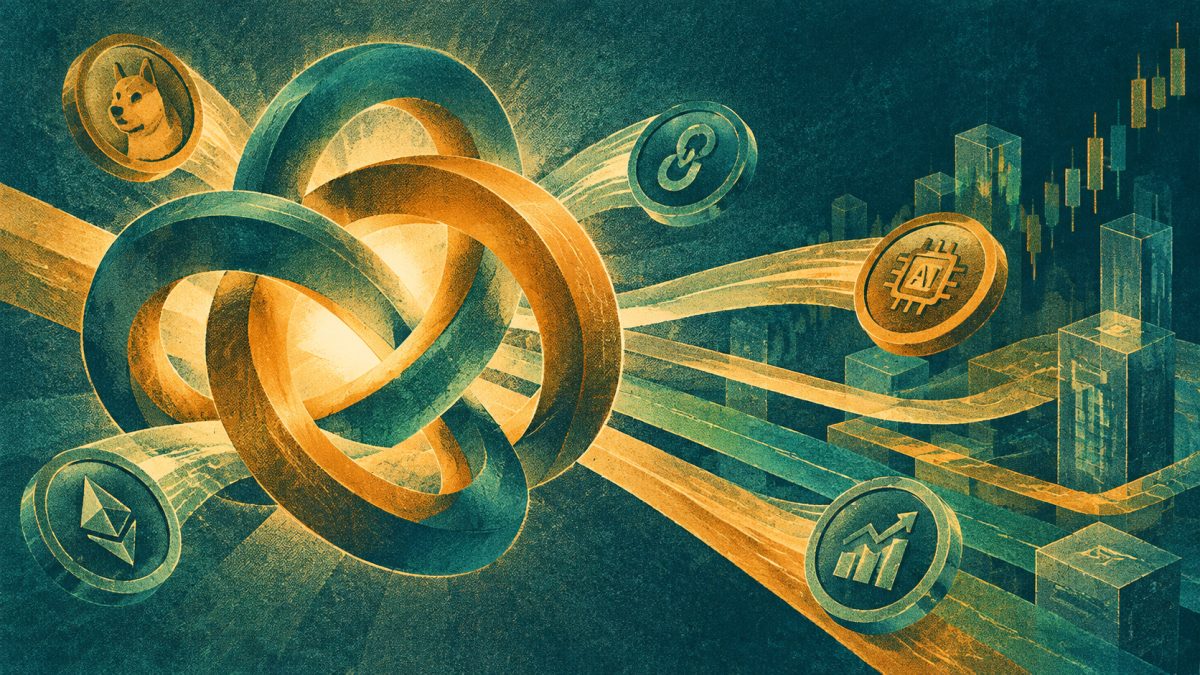
Liquidity is flowing back into crypto markets, yet the current phase is best described as a high-PVP (player-versus-player) non-consensus early bull market. In a recent dialogue, crypto analyst Haotian outlined a two-stage evolution for Robinhood’s crypto strategy — and by extension, the broader retail trading landscape. The first stage, already underway, relied on Meme coins and Launchpad platforms to attract users and generate activity. The second stage, will be defined by Hooks, Agent Trading, and Tokenized Stock DeFi.
From Meme Hype to Functional Innovation
The initial wave of Meme coins and Launchpads served as an effective customer acquisition tool, drawing retail traders back into the market with low barriers to entry and viral potential. However, this model is inherently unsustainable without deeper utility. Haotian argues that the next leg of growth will come from three distinct areas:
- Hooks: Customizable smart contract modules, particularly within Uniswap v4, that enable dynamic fees, limit orders, and tailored liquidity strategies. These tools allow developers to build sophisticated DeFi products on top of existing AMM infrastructure.
- Agent Trading: AI-driven trading agents that can execute complex strategies, manage risk, and interact with on-chain protocols autonomously. This represents a convergence of AI and DeFi, potentially democratizing access to institutional-grade trading tools.
- Tokenized Stock DeFi: The tokenization of traditional equities, allowing them to be used as collateral, traded 24/7, or integrated into yield-bearing strategies. This bridges the gap between traditional finance and decentralized protocols, a key theme for RWA (Real World Asset) adoption.
Secondary Market Returns to Fundamentals
In the secondary market, Haotian emphasizes a return to PMF (Product-Market Fit), new trends, and new consensus. The speculative frenzy that characterized previous cycles is giving way to a more discerning investor base. Projects that demonstrate real usage, sustainable tokenomics, and clear pathways to revenue will outperform those relying solely on narrative.
Implications for the Broader Market
Robinhood’s trajectory is indicative of a larger shift in crypto. As retail platforms mature, they must offer more than just speculative assets. The integration of Hooks, AI agents, and tokenized stocks suggests a future where DeFi and TradFi are increasingly intertwined. For investors, this means focusing on protocols that enable these functionalities — not just the tokens that ride the hype.
Forward-Looking Perspective
The transition from Meme-driven growth to utility-driven growth will not be seamless. Regulatory clarity, particularly around tokenized securities, remains a significant hurdle. Moreover, the success of Agent Trading depends on the reliability and security of AI models in decentralized environments. Nonetheless, the direction is clear: the next bull run will be built on substance, not just speculation. Investors should watch for developments in Uniswap v4 Hooks, AI agent frameworks, and regulatory approvals for tokenized equities as key signals of the next phase.