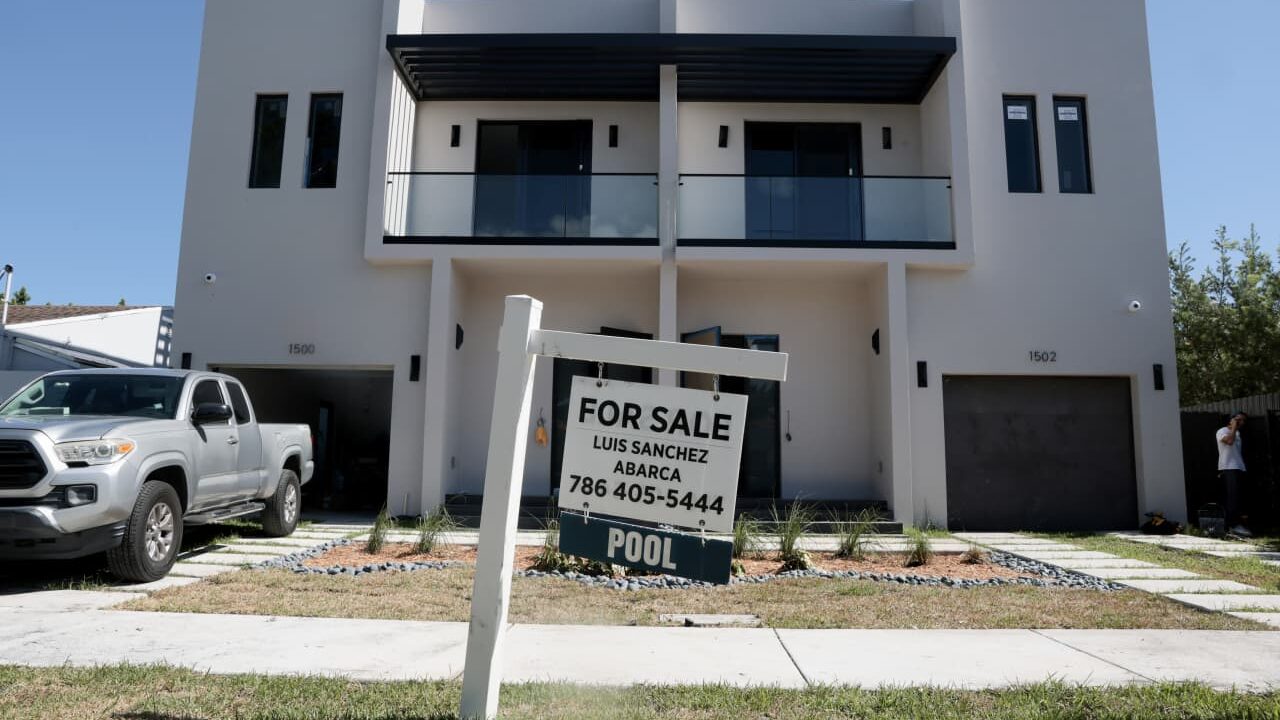
Individual Investors and Second-Home Buyers Drive 1 in 5 Home Purchases Despite 7% Mortgage Rates
TREE NEWS reports: In September, individual investors and second-home buyers accounted for 20% of all home purchases, the highest share in over a year, even as mortgage rates hovered near 7%. This surprising resilience comes despite elevated borrowing costs that have sidelined many primary-residence buyers. The data suggests that these buyer segments are less sensitive to financing costs, often paying in cash or having different investment motivations.
Who Are These Buyers?
Individual investors include small-scale landlords and fix-and-flip enthusiasts, while second-home buyers are those purchasing vacation properties or future residences. Their willingness to transact at 7% rates indicates confidence in long-term appreciation or rental yields that outweigh short-term financing pain. Many are also leveraging home equity from existing properties or using cash reserves.
Market Implications
The continued demand from these groups could support home prices, particularly in segments like starter homes and vacation markets. However, it also raises concerns about affordability for first-time buyers, who must compete with cash-rich investors. For the broader housing market, this trend may sustain transaction volumes even as primary buyers pull back.
- Stocks: Homebuilder stocks may benefit from sustained demand, but rising rates could pressure margins. Real estate investment trusts (REITs) focused on residential may see mixed effects.
- Bonds: Persistent housing demand could keep upward pressure on mortgage rates, influencing bond yields. The Federal Reserve’s rate path remains key.
- Crypto: Limited direct impact, but a strong housing market might reduce demand for alternative investments like crypto as a hedge.
- Commodities: Construction materials like lumber could see steady demand, supporting prices.
- Currencies: A resilient housing sector could bolster the dollar by supporting economic growth expectations.
Why This Matters for Investors
Investors should monitor the sustainability of this trend. If rates remain high, investor activity could eventually wane, impacting housing-related assets. Additionally, policy changes affecting investment properties or second homes could alter the landscape. For now, the data underscores the importance of non-primary demand in propping up the housing market.
Key Takeaways
- Individual investors and second-home buyers made up 20% of September home purchases, the highest in over a year.
- Their activity persists despite 7% mortgage rates, indicating less rate sensitivity.
- This supports home prices and transaction volumes but may exacerbate affordability challenges.
- Investors should watch for shifts in this demand and policy responses.