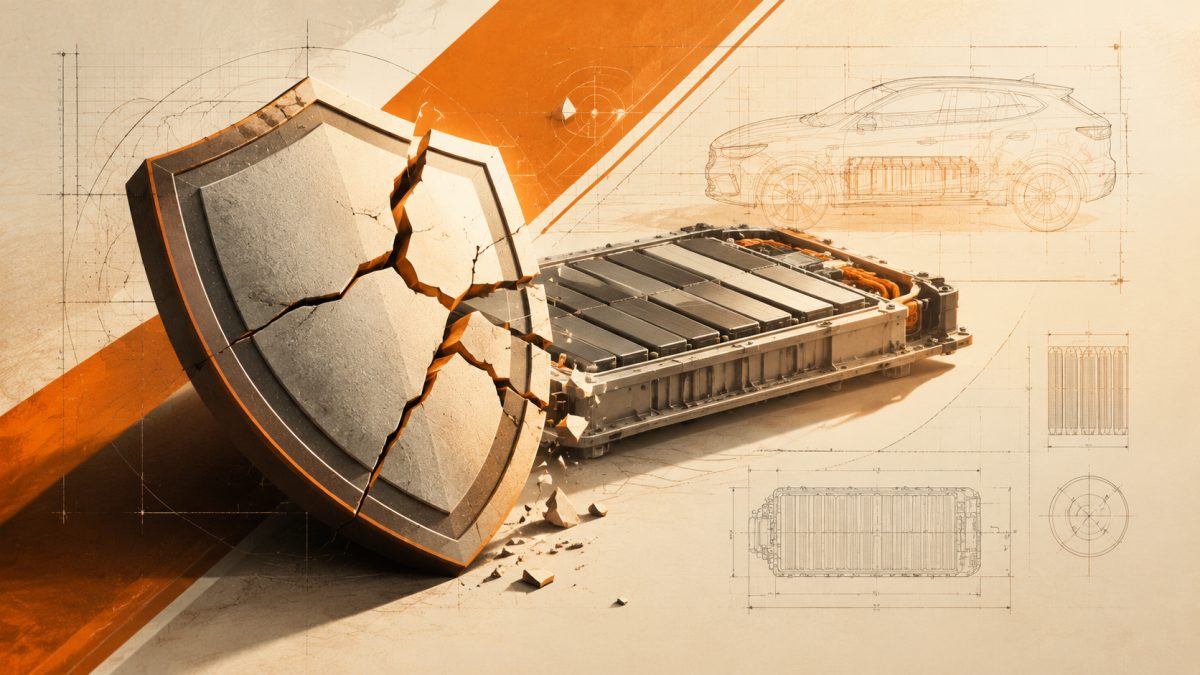
Li Auto Unveils ‘Lianshan’ Electric Tech Suite, Expanding In-House Battery Strategy
TREE NEWS reports: At its Power Day event on October 20, Chinese electric vehicle maker Li Auto announced a comprehensive electric technology system named “Lianshan,” covering batteries, electric drive, ultra-fast charging equipment, and a self-built charging network. The company also pledged a lifetime guarantee: if a vehicle catches fire due to quality issues with its self-developed battery and is deemed a total loss, Li Auto will compensate with a new car of the same configuration. The move marks a significant expansion of Li Auto’s in-house battery development, which began in 2020 and has already been deployed in the new L8, with plans to extend across its lineup.
Vertical Integration and Supplier Partnerships
Li Auto’s approach involves designing battery cells in-house while partnering with manufacturers like Sunwoda and CALB for production, and assembling battery packs itself. This strategy aims to optimize vehicle range, charging speed, and spatial layout from the earliest design stages. The company’s new 5C ternary lithium battery, featured in the L8, delivers a CLTC pure electric range of 430 km, while the upcoming 2026 i6 two-wheel-drive version will achieve 780 km, an 8% improvement over the 2025 model. Li Auto also highlighted its in-house developed five-in-one electric drive and silicon carbide high-voltage three-in-one electric drive, which have entered mass production and contribute to efficiency gains.
Market Implications: A Potential Shift in the EV Supply Chain
Li Auto’s deepening involvement in core electric technologies could have far-reaching implications for the automotive supply chain and stock markets. By bringing battery cell design in-house, the company reduces its reliance on major battery suppliers like CATL, potentially reshaping bargaining power in the industry. While Li Auto’s president and chief engineer, Ma Donghui, emphasized that “we can buy the world’s best parts, but we cannot buy the ‘chemistry’ between parts,” the strategy may pressure battery makers to offer more customized solutions or risk losing market share. For investors, this trend toward vertical integration among automakers could lead to increased competition and margin pressure for traditional battery suppliers, while enhancing the product differentiation and cost control of EV manufacturers.
Additionally, Li Auto’s lifetime safety guarantee for its self-developed batteries sets a new benchmark for consumer confidence and could force competitors to match such commitments, potentially raising costs across the industry. The announcement also underscores the growing importance of charging infrastructure: Li Auto has built over 4,200 ultra-fast charging stations with more than 23,000 piles, and plans to double its 5C charging guns to 8,300 by early 2027. This infrastructure build-out could accelerate EV adoption and benefit companies involved in charging equipment and power electronics.
Key Takeaways for Investors
- Watch battery suppliers: Companies like CATL and other battery makers may face margin pressure as automakers increasingly design their own cells, though partnerships with firms like Sunwoda and CALB could offer new opportunities.
- Li Auto’s competitive edge: Successful integration of in-house technology could improve Li Auto’s product appeal and cost structure, potentially boosting its stock if execution is strong.
- Broader EV supply chain: The shift toward vertical integration and advanced charging networks may create winners in power electronics, silicon carbide, and charging infrastructure.
- Risk factors: Execution risks in scaling in-house battery production and potential quality issues could impact Li Auto’s reputation and financials.
As the EV industry matures, the battle for technological sovereignty is intensifying. Li Auto’s move reflects a broader trend among Chinese automakers to control core technologies, which could redefine competitive dynamics and investment opportunities in the sector.