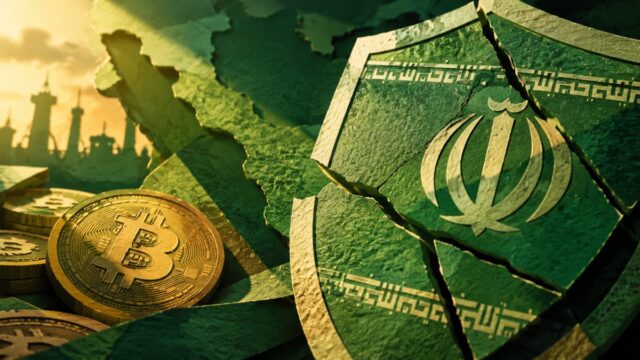
Sticky PCE, Strait Deals, and Escalation: Macro Forces Reshaping Risk and Commodities
TREE NEWS reports: August 27 — The latest US PCE price index for July shows inflation remains stubbornly above target, prompting markets to raise the odds of a Federal Reserve rate hike in September. Meanwhile, Iran announced a revenue-sharing agreement with Oman over Strait of Hormuz transit fees, and reports indicate Russia is planning an intensified military campaign in Ukraine. These developments are collectively redrawing the global risk map and re-pricing commodities.
News Summary
July’s PCE data, released this morning, came in hotter than expected on both headline and core measures. Core PCE rose 0.3% month-over-month, accelerating from June’s 0.2% gain, with year-over-year inflation holding at 3.4% — well above the Fed’s 2% target. As a result, fed funds futures now price in a 42% probability of a 25bp hike at the September FOMC meeting, up from 28% a week ago. In the Middle East, Iran’s state media confirmed that Tehran and Muscat have finalized a clear formula for splitting toll revenues from the Strait of Hormuz, a chokepoint for about 20% of global oil consumption. Separately, Western intelligence sources cited by media suggest Russia is preparing a major escalation in its strikes on Ukrainian infrastructure in the coming weeks.
Industry Analysis
These macro and geopolitical signals have immediate implications for risk assets and commodities. The sticky PCE reading challenges the “peak inflation” narrative that had supported risk-on sentiment in equities and crypto. If the Fed resumes tightening, real yields will rise, putting downward pressure on growth-sensitive assets, including Bitcoin and high-multiple tech stocks. However, the situation is nuanced: a rate hike could also signal the Fed’s resolve to fight inflation, potentially stabilizing long-term expectations.
On the geopolitical front, the Iran-Oman agreement on Hormuz tolls suggests a degree of de-escalation in the region, as both nations formalize revenue sharing rather than engaging in conflict. This could slightly reduce the geopolitical risk premium in oil, but the market remains on edge due to Russia’s planned escalation. Any disruption to Ukrainian grain exports or energy infrastructure would spike food and energy prices globally, feeding back into inflation and forcing central banks to stay hawkish.
For crypto markets, these macro forces are a double-edged sword. On one hand, higher rates and a stronger dollar typically dampen crypto liquidity. On the other hand, geopolitical instability can drive demand for decentralized, censorship-resistant assets as a hedge against traditional financial system disruptions. The net effect will depend on the severity of the escalation and the Fed’s policy path.
Forward-Looking Perspective
Investors should brace for volatility. The next few weeks will be dominated by the Fed’s September meeting, further PCE revisions, and any major moves in the Russia-Ukraine conflict. If the Fed hikes, we may see a short-term sell-off in risk assets, but the medium-term outlook remains constructive if inflation begins to cool. The Strait of Hormuz agreement is a positive signal for oil supply stability, but it is fragile — any breakdown could send crude prices soaring. For crypto, the key is to watch whether institutional adoption continues despite macro headwinds, as that would signal a maturing asset class.