Issuer Authorization: The Missing Key to Sustainable Tokenization
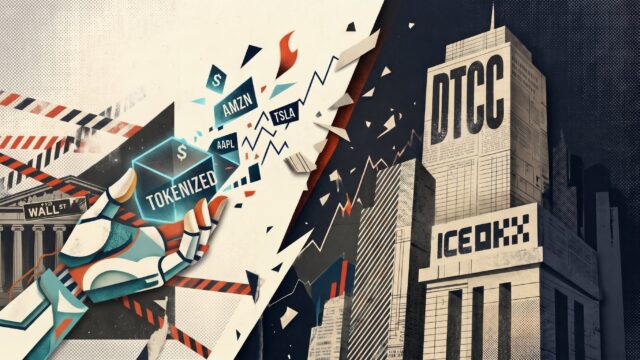
Recent developments in the tokenization space have highlighted a critical institutional prerequisite: issuer authorization. OKX-ICE faced opposition from 26 listed companies, while Hong Kong’s Securities and Futures Commission (SFC) approved secondary trading of tokenized public funds. These cases, along with others, point to a common observation: sustainable tokenization cannot ignore issuer authorization.
The Two Sides of Tokenization
Tokenization promises to revolutionize finance by bringing real-world assets on-chain, increasing liquidity and accessibility. However, the OKX-ICE case demonstrates the friction when tokenization occurs without explicit issuer consent. The 26 listed companies opposed the tokenization of their shares, citing concerns over control, regulatory compliance, and potential market manipulation. This resistance underscores that tokenization, while technologically feasible, requires legal and institutional buy-in.
Conversely, the Hong Kong SFC’s approval of secondary trading for tokenized public funds represents a regulated approach where issuer authorization is embedded in the process. This approval allows for a more structured and compliant environment, potentially paving the way for broader adoption.
Why Issuer Authorization Matters
Issuer authorization is not merely a legal formality; it is foundational to the integrity of tokenized assets. Without it, tokenization risks creating shadow markets that undermine investor protection and market stability. Issuers have legitimate interests in controlling how their securities are represented and traded, and unauthorized tokenization can lead to fragmentation and legal ambiguity.
Moreover, regulatory frameworks are increasingly emphasizing issuer consent. The Hong Kong SFC’s move signals that regulators are willing to embrace tokenization but only within a framework that respects existing securities laws and issuer rights. This approach aligns with global trends, where regulators are crafting rules that require tokenization platforms to obtain issuer approval.
Forward-Looking Perspective
As tokenization matures, the industry must shift from a technology-first mindset to one that prioritizes legal and institutional alignment. Platforms that proactively engage with issuers and regulators will be better positioned to scale. The OKX-ICE opposition and the SFC’s approval are not isolated events but indicators of a broader trend: tokenization will succeed only when it respects the rights of issuers and the expectations of regulators.
In the coming years, we can expect more jurisdictions to follow Hong Kong’s lead, establishing clear guidelines for tokenized assets that mandate issuer authorization. This will likely lead to a bifurcation: authorized tokenization platforms that thrive within regulatory frameworks, and unauthorized ones that face legal challenges and market resistance. For investors and institutions, the message is clear: the future of tokenization is not just about technology, but about governance and consent.