Brent Crude Surges to Six-Month High on Escalating Gulf Tensions
TREE NEWS reports: Brent crude oil futures for January delivery climbed to $118 per barrel on Friday, marking a six-month high, as a combination of attacks on commercial vessels in the Strait of Hormuz, strikes on Saudi energy infrastructure, and a diplomatic stalemate sharply raised concerns that the Gulf conflict could re-escalate after the U.S. midterm elections.
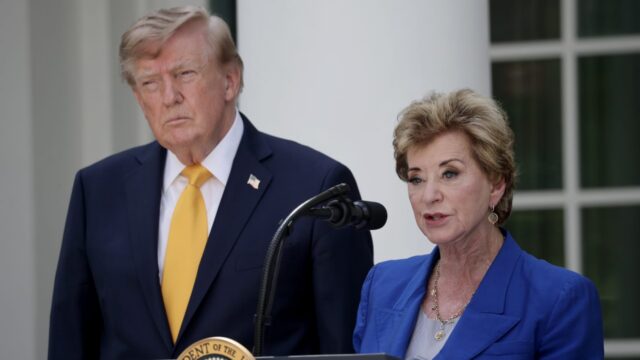
President Trump has been weighing whether to restart military strikes against Iran. He recently indicated that the U.S. might conduct another limited operation, and reports suggest the timing could be set for next Tuesday, after the midterm elections conclude. Meanwhile, Vice President JD Vance sent a letter to Iran’s top leadership this week, which has so far received no response.
Diplomatic Channels Frozen
The diplomatic channel between the U.S. and Iran is nearly frozen. Tehran’s position remains clear: it will only return to the negotiating table if the U.S. commits to lifting its blockade on Iranian oil exports and unfreezing Iranian assets. The letter from Vice President Vance has yet to elicit any reply. President Trump continues to receive briefings on military options and has signaled that action could resume after the midterms.
Dominic Ellis, an energy expert at UBS, noted that the new round of vessel attacks in the Strait of Hormuz, strikes on Saudi energy assets, and the lack of progress in recent diplomatic contacts have collectively pushed Brent crude above $117 per barrel. He warned that the market has not fully priced in the potential medium- to long-term supply impact of a Middle East conflict, and if diplomatic progress remains absent, oil prices face significant upside risk.
Supply Buffer Thin, Market Resilience Weakened
While demand-side concerns persist, the global oil supply safety net has narrowed substantially, significantly reducing the market’s ability to absorb any new supply disruptions. Global onshore oil inventories that can be readily deployed have fallen to their lowest level since at least 2016.
Ship-tracking firm Kpler data shows that Gulf exports have exceeded the pre-war level of 23.3 million barrels per day, but Morgan Stanley analysts warn that when supplies to domestic refineries are included, overall market supply remains below year-ago levels.
Natasha Kaneva, an energy expert at JPMorgan, stated in a research report: “As the Iran war enters its eighth month, the seemingly simple question of ‘what is the oil price?’ has become surprisingly difficult to answer.” Kaneva’s model suggests a fair value for Brent crude of about $94 per barrel, far below the current market price of $118, a gap that reflects the substantial geopolitical risk premium priced in.
Corporate Level: Executives Withdraw from ADIPEC Conference
Concerns about the Middle East security situation have spread from prices to corporate behavior. Senior executives from ExxonMobil and Chevron have withdrawn from the ADIPEC energy conference scheduled to be held in Abu Dhabi next week. This move is seen as a direct response by the energy industry to the risk of escalation in the Gulf and further reinforces expectations that regional tensions may intensify after the midterm elections.
Ellis believes that the front end of the futures curve already reflects, to some extent, a higher probability of escalation and disruptions to energy production and exports, but the market is still not fully pricing in the medium- to long-term impact of the conflict. Before any substantive breakthrough in diplomacy, the upside risk to oil prices cannot be underestimated.
Key Takeaways for Investors
- Oil prices may remain elevated: The combination of geopolitical risk and thin supply buffers suggests that oil prices could stay high or rise further, especially if diplomatic efforts fail.
- Energy stocks could benefit: Integrated oil majors and exploration and production companies may see gains, but risks are high given the potential for conflict.
- Safe-haven assets in focus: Gold and U.S. Treasuries may attract safe-haven demand as tensions rise.
- Crypto as a hedge: Bitcoin and other cryptocurrencies could see increased interest as alternative assets amid geopolitical uncertainty.
- Currency volatility: The U.S. dollar may strengthen as a safe-haven currency, while oil-importing countries’ currencies could weaken.
- Watch the midterms: The U.S. midterm elections and their aftermath could be a catalyst for further market moves, particularly if military action resumes.