Nvidia Board Investigates CEO’s Relationship with Alleged Spy
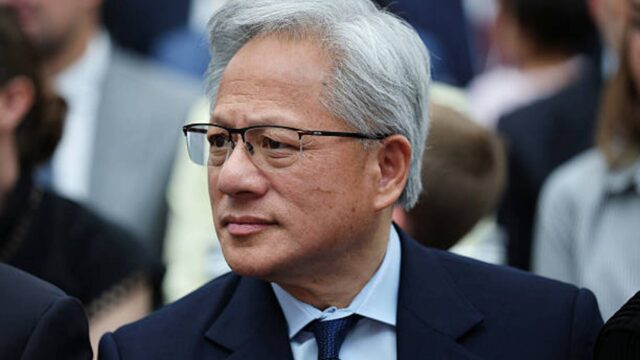
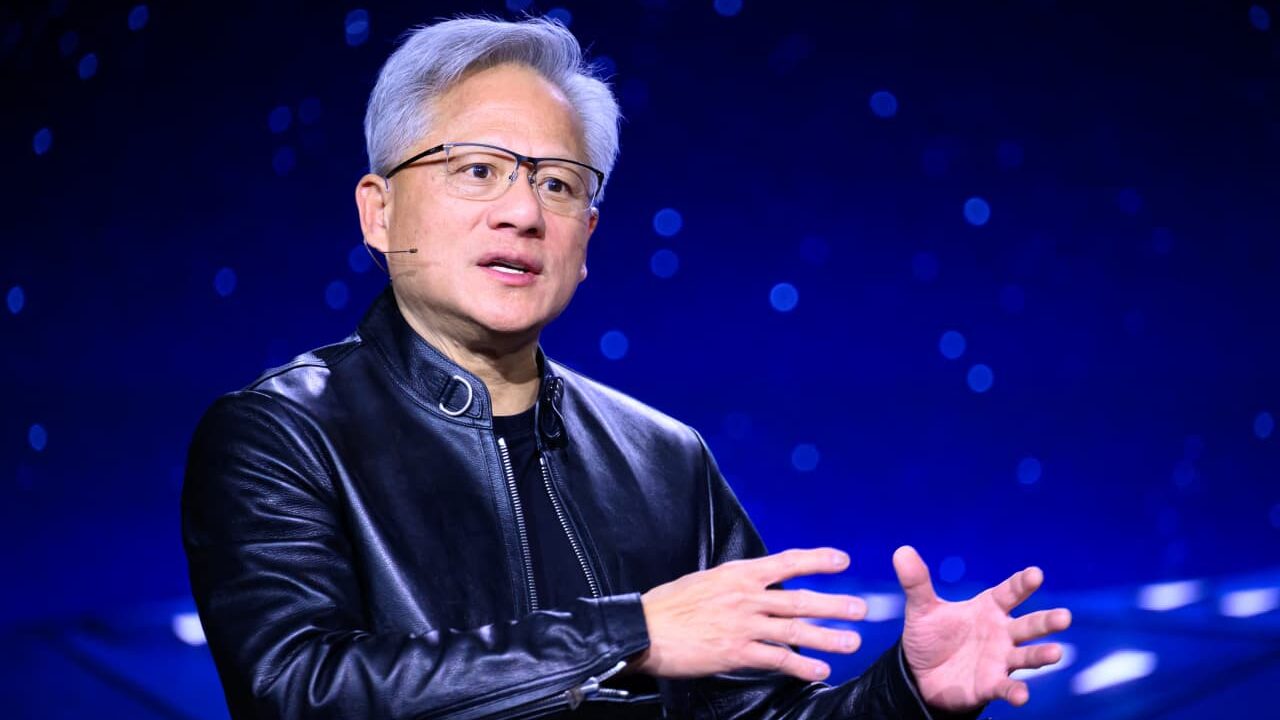
TREE NEWS reports: Nvidia’s board of directors has launched an investigation into CEO Jensen Huang’s relationship with an individual alleged to be a spy. The probe, first reported by MarketWatch, centers on Huang’s connections to a person who is suspected of espionage activities. Huang will remain in his role and is cooperating with the investigation, the company said. Analysts warn that the matter could weigh on Nvidia’s stock for some time, adding a new layer of uncertainty to the already volatile AI trade.
What Happened
The board’s investigation is focused on Huang’s personal and professional ties to an individual who has been accused of being a spy. While details remain scarce, the revelation has raised governance concerns at the world’s most valuable semiconductor company. Nvidia has not commented publicly on the specifics of the probe, but sources indicate that the board is treating the matter seriously. Huang, who co-founded Nvidia in 1993 and has led it to become the dominant player in AI chips, will continue to serve as CEO during the investigation.
The news comes at a delicate time for Nvidia, which has seen its market capitalization soar past $2 trillion on the back of insatiable demand for its graphics processing units (GPUs) used in artificial intelligence applications. The company’s stock has been a bellwether for the broader AI trade, and any hint of instability at the top could have ripple effects across the tech sector.
Market Implications
The immediate market reaction is likely to be negative for Nvidia shares, as investors grapple with the uncertainty surrounding the CEO’s position and the potential for reputational damage. The stock could see increased volatility in the near term, with options markets pricing in higher implied moves. Beyond Nvidia, the news could dampen sentiment across the AI ecosystem, including semiconductor peers like AMD, Intel, and TSMC, as well as AI-focused software companies.
In the bond market, the impact is likely to be minimal unless the situation escalates into a broader geopolitical incident. However, if the investigation reveals connections to foreign espionage, it could heighten tensions between the U.S. and other nations, particularly China, which is already a flashpoint in the tech trade war. That could lead to safe-haven flows into Treasuries, pushing yields lower.
Cryptocurrencies, which have become increasingly correlated with tech stocks, could also feel the pinch. Bitcoin and other digital assets often trade in tandem with risk assets, and a selloff in AI-related equities could spill over into crypto markets. However, if the news triggers a broader risk-off move, crypto could see outflows as investors seek safer ground.
Commodities, particularly those tied to the tech supply chain such as copper and rare earths, could be affected if the investigation leads to supply chain disruptions or increased regulatory scrutiny. Gold, as a traditional safe-haven asset, might see modest gains if geopolitical tensions rise.
In currency markets, the U.S. dollar could strengthen if the news leads to a flight to safety, while the Chinese yuan might come under pressure if the investigation implicates Chinese nationals or entities. The Taiwanese dollar, closely linked to TSMC and the semiconductor supply chain, could also be sensitive to the developments.
Why It Matters for Investors
For investors, the key takeaway is that governance risk at Nvidia has just increased. While the company’s fundamentals remain strong, the investigation introduces a new variable that could affect the stock’s valuation and the broader AI narrative. Investors should monitor the situation closely for any signs of escalation, including potential regulatory involvement or criminal charges.
The AI trade has been one of the most powerful market themes of the past year, and Nvidia has been its biggest beneficiary. Any threat to Huang’s leadership could undermine confidence in the company’s strategic direction, especially given his role as the public face of the AI revolution. However, it’s important to note that the investigation is still in its early stages, and no charges have been filed.
Diversification remains crucial. Investors with heavy exposure to AI-related stocks may want to reassess their risk tolerance and consider hedging strategies. The news also serves as a reminder that corporate governance and geopolitical risks can emerge suddenly and disrupt even the most seemingly unstoppable trends.
- Governance risk: The investigation into Huang’s ties could lead to management distractions and reputational damage.
- Volatility ahead: Expect increased volatility in Nvidia shares and the broader AI sector.
- Geopolitical angle: If espionage links to foreign entities are confirmed, it could escalate U.S.-China tensions and impact supply chains.
- Stay diversified: Avoid overconcentration in AI stocks and consider hedging against downside risk.