Tether’s Farmland Bet: Why a Stablecoin Giant Is Buying Real Assets
TREE NEWS reports: Tether, the issuer of the world’s largest stablecoin USDT, has been diversifying its reserves into gold and farmland, a move that raises questions about liquidity and transparency. The company’s latest reserve report, audited by KPMG, shows a clean bill of health, yet its own capital buffer has shrunk by 40% over the past year, from $5.3 billion to $3.2 billion.
Why Farmland?
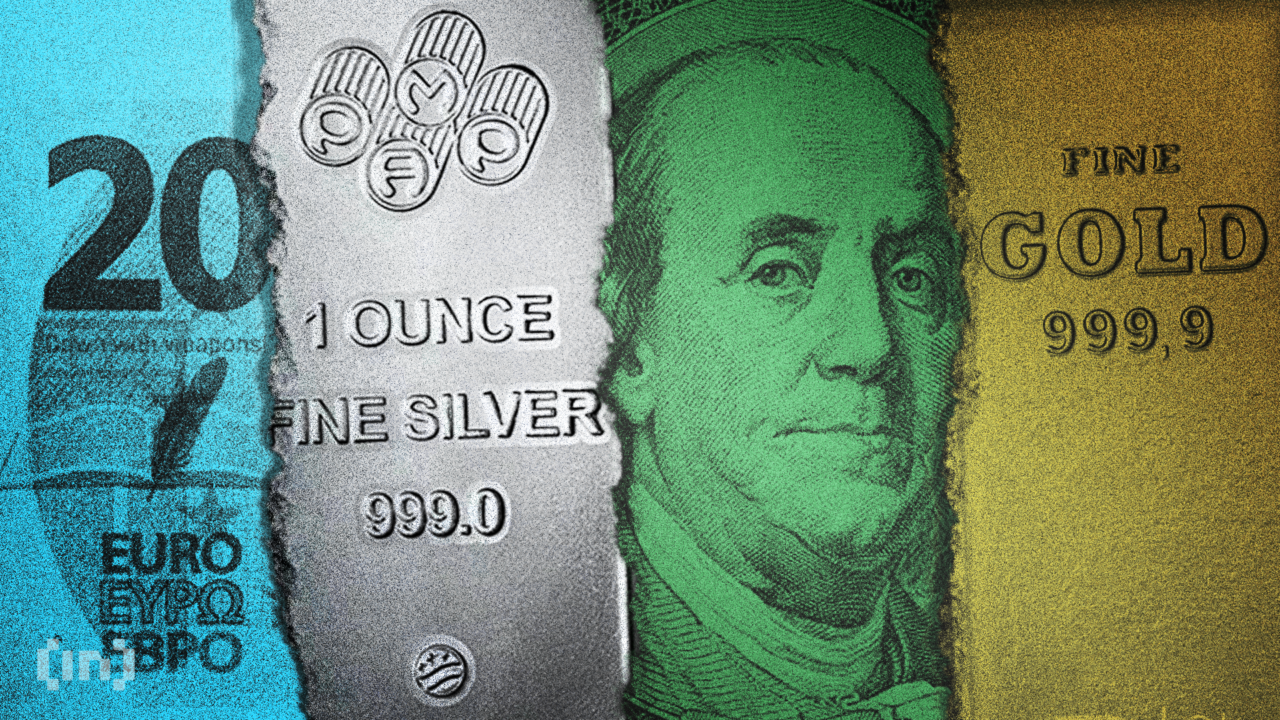
Tether’s investment strategy has evolved beyond traditional Treasury bills. The company now holds significant positions in gold and agricultural land, which it describes as hedges against inflation and market volatility. But for a stablecoin issuer, whose primary promise is 1:1 redeemability, such illiquid assets are unusual. Farmland cannot be sold quickly in a crisis, and its valuation is subjective, unlike cash or short-term government bonds.
Critics argue that this shift exposes USDT holders to risks that a traditional money market fund would avoid. If a bank run occurs, Tether might struggle to convert farmland into dollars fast enough to meet redemptions. The shrinking buffer amplifies this concern: a smaller cushion means less room for error.
Industry Implications
Tether’s actions reflect a broader trend: stablecoin issuers are seeking higher yields and alternative stores of value as interest rates fluctuate. However, this comes at a time when regulators like the EU’s MiCA are pushing for more transparent and liquid reserve requirements. Tether’s farmland purchases may be legal, but they test the spirit of what a stablecoin should be.
- Liquidity risk: Illiquid assets in reserves can create a mismatch between redemption demands and available cash.
- Regulatory scrutiny: As MiCA and US legislation evolve, Tether’s asset mix could face stricter rules.
- Market confidence: A shrinking buffer, even with a clean audit, may erode trust among institutional investors.
Forward-Looking Perspective
Looking ahead, Tether must balance its profit-seeking investments with the core function of stability. If the company continues to pivot toward real-world assets, it may need to provide clearer disclosure on valuation and exit strategies. The market will watch whether regulators step in to define what constitutes acceptable reserves. For now, Tether’s farmland bet is a calculated risk that could either pay off as a hedge or become a liability in a liquidity crunch.