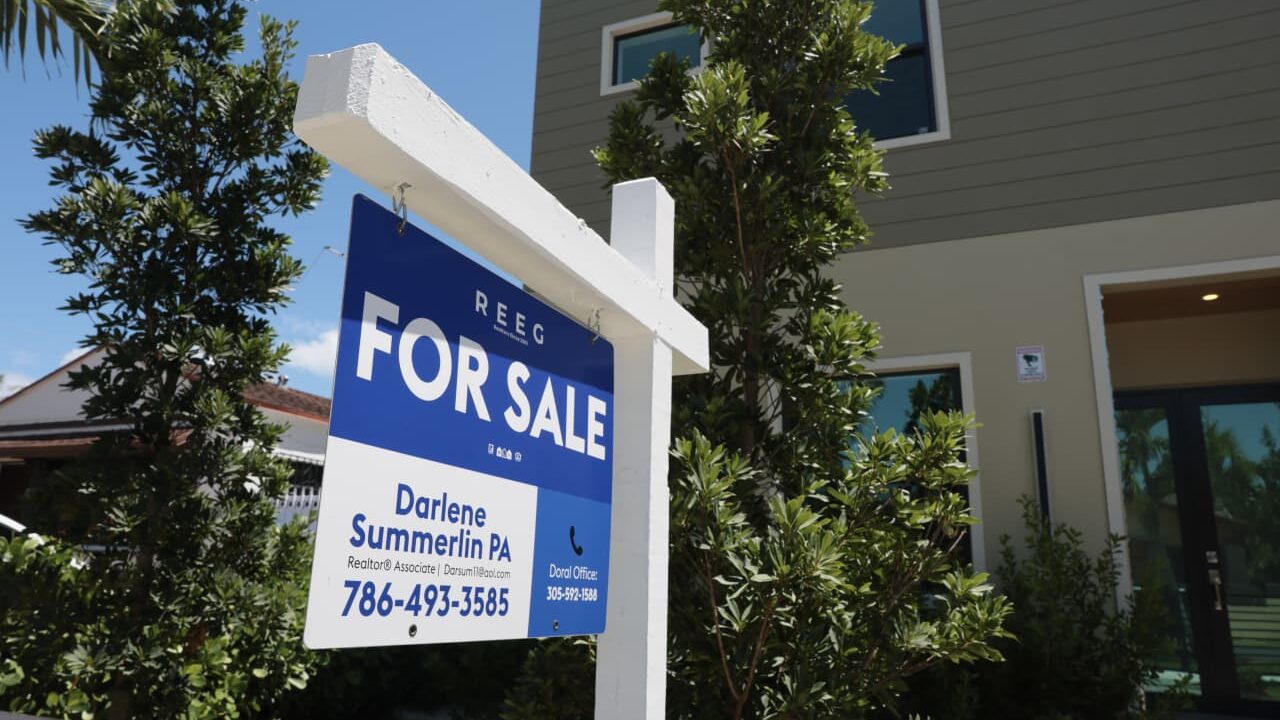
Mortgage Rates Surge to Nearly Two-Year High
TREE NEWS reports: The average 30-year fixed mortgage rate climbed to 7.17% on Monday, its highest level in nearly two years, after the 10-year Treasury yield crossed the psychologically important 5% threshold. The move extends a sharp repricing in the bond market that is now feeding directly into the cost of household borrowing, delivering another blow to a U.S. housing market already constrained by high prices and limited inventory.
The 10-year Treasury yield, the benchmark that underpins everything from corporate debt to mortgages, pushed above 5% for the first time in this cycle as investors digested a combination of resilient economic data, sticky inflation prints, and expectations that the Federal Reserve will keep policy restrictive for longer than previously anticipated. Mortgage rates typically track the 10-year yield with a spread, so the breach quickly translated into higher home loan costs.
Why This Matters for the Housing Market
Housing affordability was already near multi-decade lows. With the 30-year rate at 7.17%, the monthly payment on a median-priced home is now hundreds of dollars higher than it was when rates were below 3% during the pandemic-era boom. That dynamic creates a dual lock-in effect: would-be buyers are priced out, while existing homeowners with low fixed-rate mortgages are reluctant to sell and take on a sharply higher rate, further shrinking supply.
The result is a market that is neither crashing nor recovering — it is freezing. Transaction volumes remain depressed, homebuilder sentiment is fragile, and related sectors such as mortgage origination, title insurance, and real estate brokerage continue to face margin pressure.
Market Implications Across Asset Classes
- Stocks: Rate-sensitive sectors — homebuilders, real estate investment trusts (REITs), and consumer discretionary names tied to housing — face headwinds. Broad equity indices may also struggle as higher discount rates compress valuations, particularly for long-duration growth and technology stocks.
- Bonds: The move above 5% on the 10-year reflects selling pressure and rising term premium. If yields continue to climb, bond prices fall further, but income-oriented investors may find attractive entry points at these levels.
- Crypto: Higher real yields raise the opportunity cost of holding non-yielding assets like Bitcoin and gold. Crypto has historically shown sensitivity to liquidity conditions, so a sustained rise in rates could cap upside momentum, though structural demand from ETF flows may provide a cushion.
- Commodities: A stronger dollar and higher real rates are typically headwinds for gold. Industrial commodities may face pressure if higher borrowing costs slow construction and manufacturing activity.
- Currencies: Elevated U.S. yields tend to support the dollar against major peers, particularly the yen and euro, as carry trade dynamics favor holding greenback-denominated assets.
Key Takeaways for Investors
- The 5% threshold on the 10-year Treasury is a major psychological and technical level — sustained trading above it signals a regime shift in rate expectations.
- Housing-linked equities and credit remain vulnerable; investors should stress-test portfolios for a prolonged higher-for-longer rate environment.
- Cash and short-duration bonds are increasingly competitive versus risk assets, altering the calculus for portfolio allocation.
- Watch upcoming inflation and employment data closely — any softening could quickly reverse the yield move, while further strength could push mortgage rates toward 7.5% or higher.
The next few weeks of economic data will be critical in determining whether this is a temporary spike or the beginning of a more durable shift higher in borrowing costs.