Iranian Oil Supply to Chinese Buyers Squeezed by U.S. Blockade
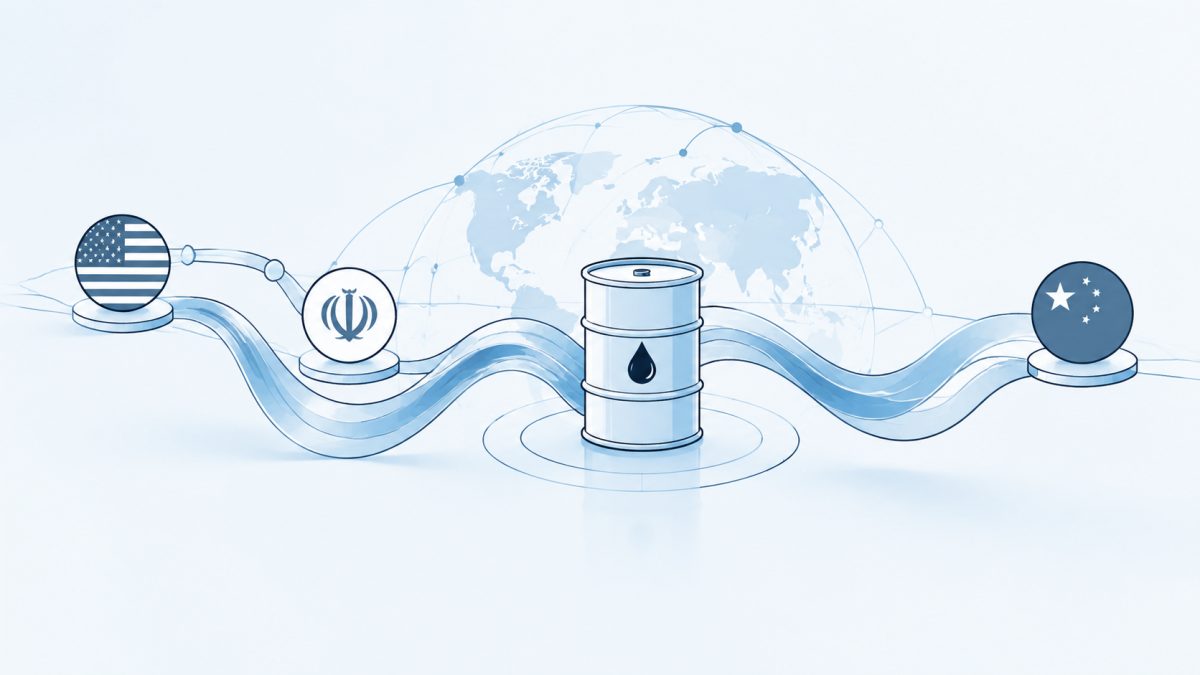
TREE NEWS reports: A new U.S. enforcement push has tightened the noose on Iranian crude exports, particularly targeting the shadow fleet that has been ferrying barrels to Chinese independent refiners. The move, reported by Seeking Alpha, signals a significant escalation in Washington’s campaign to choke off Tehran’s oil revenue, with immediate implications for global energy markets and the broader geopolitical landscape.
What Happened
The United States has intensified its blockade on Iranian oil shipments, focusing on the tankers and insurance networks that facilitate deliveries to Chinese buyers. These buyers, mostly small, independent refineries known as ‘teapots,’ have become the primary destination for Iranian crude, which is heavily discounted due to sanctions. The new measures include designating more vessels and entities, making it harder for these shipments to be insured or financed, and increasing the risk of seizure or penalties.
This is not a complete halt—some cargoes may still slip through—but the squeeze is real. Shipping data shows a noticeable dip in Iranian crude loadings for China in recent weeks, and freight rates for dark-fleet tankers have spiked. The timing is critical: China’s demand is recovering post-COVID, and its refiners are already grappling with thin margins.
Market Impact Analysis
The immediate effect of this squeeze is upward pressure on oil prices. Brent crude has already moved higher on the news, as traders price in a potential reduction of 500,000 to 1 million barrels per day (bpd) of Iranian supply. This is not a huge number in global terms, but it tightens an already balanced market, especially with OPEC+ keeping production cuts in place.
- Crude Oil (WTI, Brent): Likely to see a sustained bid, with Brent potentially testing $90–$95 per barrel if the squeeze persists. Higher oil prices feed into inflation, complicating central bank policy.
- Chinese Refining Stocks: Independent refiners (teapots) that rely on Iranian crude will see margins compress. Listed players like Hengli Petrochemical and Rongsheng Petrochemical may face headwinds, while state-owned giants like Sinopec and PetroChina, which have access to other supply sources, could benefit from a more competitive landscape.
- U.S. Equities: Energy stocks (ExxonMobil, Chevron) will likely rally with oil prices. However, the broader market may react negatively if inflation expectations rise, forcing the Fed to keep rates higher for longer. Airlines, transportation, and consumer discretionary sectors are vulnerable to higher fuel costs.
- Bonds: Higher oil prices are stagflationary—they lift inflation expectations while slowing growth. This is bearish for long-dated Treasuries, as yields may rise. Short-term T-bills are less affected, but the overall curve could steepen.
- Commodities: Beyond oil, this could lift other energy-linked commodities like natural gas (if supply routes are disrupted) and even agriculture, due to higher input costs. Precious metals like gold may see safe-haven bids given the geopolitical tension.
- Currencies: The U.S. dollar could strengthen on geopolitical risk, but the effect may be muted if the Fed is seen as dovish. The Chinese yuan faces depreciation pressure due to higher import costs and potential supply disruptions. Oil-importing countries (India, Japan, Korea) will see their currencies weaken, while oil exporters (Norway, Canada) may see theirs firm.
- Crypto: Bitcoin and other cryptocurrencies have shown some correlation with oil prices in recent months, as they trade as a risk asset. A spike in oil could push crypto lower in the short term, but if it leads to a broader risk-off, Bitcoin might benefit from a ‘digital gold’ narrative. However, the effect is likely indirect and secondary.
Why It Matters for Investors
This story is a classic example of geopolitical risk resurfacing in the energy market. For investors, the key takeaway is the fragility of global supply chains and the potential for sudden price shocks. The U.S. blockade is not just about Iran—it’s a signal to China that Washington is willing to use energy leverage in the broader trade and strategic rivalry. This could escalate into a more confrontational stance on other fronts, including tariffs.
Investors should consider positioning for higher energy prices and inflation. This means an overweight in energy equities and commodities, a cautious stance on consumer discretionary and transportation, and a hedge against inflation in bond portfolios (TIPS). For those with a longer horizon, the geopolitical instability reinforces the case for diversification into real assets and currencies of commodity exporters.
However, there is also a risk of overreaction. The market has seen similar squeezes before, and Iranian exports have often found a way to continue, albeit at a discount. The key metric to watch is the actual flow data—if exports to China fall sharply and stay low, the price impact will be sustained. If not, the rally may fade.
Key Takeaways
- Oil prices are likely to remain elevated, with Brent possibly testing $90–$95.
- Chinese teapot refiners are the most exposed; state-owned majors are more resilient.
- Inflation expectations may rise, pressuring long-dated bonds and supporting the dollar.
- Energy stocks and commodities are the primary beneficiaries; transportation and consumer discretionary are at risk.
- Watch actual export data for confirmation—don’t overreact to headlines alone.