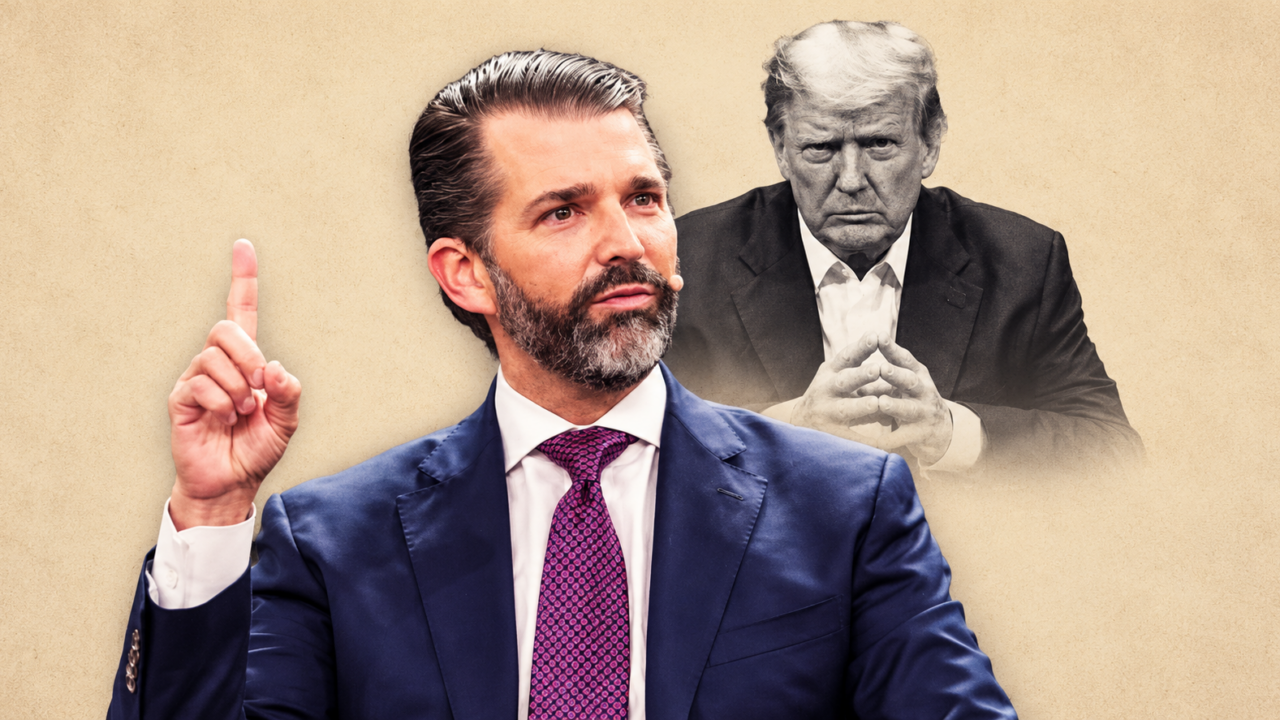
From Campaign Trail to Capital Markets
As his father returned to the White House, Donald Trump Jr. shifted his professional focus from the family real estate business to venture capital. His firm, 1789 Capital, is now in talks to raise $3 billion, while he simultaneously serves as an adviser to two prediction markets. The move underscores a broader trend: political proximity is being repackaged as an investable asset class.
The 1789 Capital Fundraise
1789 Capital, where Trump Jr. is a partner, is reportedly seeking $3 billion in fresh capital. The firm has positioned itself as a backer of “anti-woke” businesses and has already invested in companies like Tucker Carlson’s media venture. The fundraise, if completed, would be one of the largest first-time fund raises in recent years, signaling that limited partners see value in access to the Trump orbit.
Prediction Markets and Political Influence
Trump Jr.’s advisory roles at two prediction markets—platforms that allow users to bet on political outcomes—raise questions about conflicts of interest. Prediction markets have gained mainstream traction, with platforms like Polymarket and Kalshi seeing record volumes during the 2024 election cycle. Having a presidential family member as an adviser could provide these platforms with regulatory insight and political connections, but it also blurs the line between governance and profit.
Industry Implications
- Political capital as an asset class: Investors are increasingly willing to pay for access to political networks, viewing them as a hedge against regulatory uncertainty.
- Prediction markets go mainstream: With political insiders involved, prediction markets may gain legitimacy but also face heightened scrutiny from regulators concerned about insider trading.
- Blurring lines: The intersection of politics and private capital raises ethical questions about influence peddling and the commodification of public service.
Forward-Looking Perspective
As Trump Jr. scales his venture ambitions, the market will watch whether 1789 Capital can deliver returns beyond political access. The real test will be whether portfolio companies succeed on their own merits or merely benefit from proximity to power. For prediction markets, the involvement of a presidential family member could accelerate adoption but also invite regulatory crackdowns. Ultimately, the Trump Jr. playbook may become a template for how political dynasties monetize their influence in the 21st century—a trend that could reshape both venture capital and political finance.