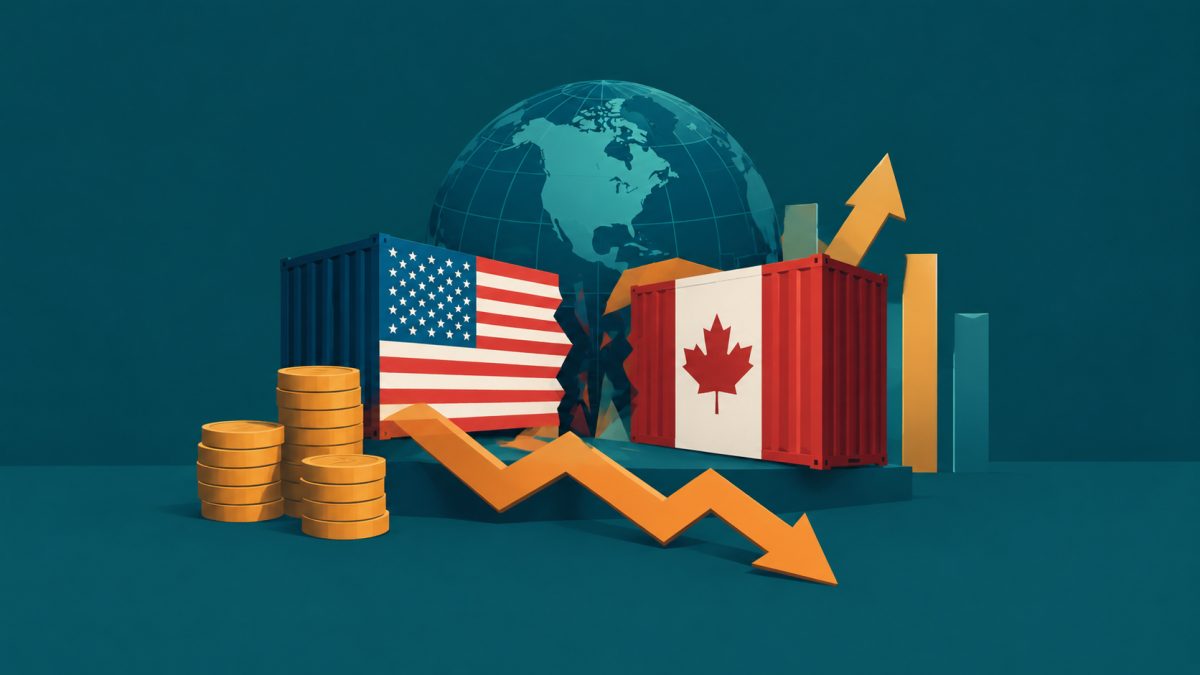
Trade Talks Collapse: What Happened
TREE NEWS reports: In a dramatic escalation of trade tensions, the United States and Canada failed to reach a trade agreement on Friday night, leading Washington to impose a 50% tariff on certain Canadian goods. The tariffs, based on the rarely used Section 338 of the Smoot-Hawley Tariff Act, take effect at 12:01 AM EDT on August 22. Canada has responded by suspending negotiations and preparing countermeasures, with Prime Minister Mark Carney calling the last-minute U.S. demands ‘unfair and economically illogical.’
The breakdown came after weeks of intense talks in Washington, with both sides signaling progress earlier in the week. U.S. Trade Representative Jamieson Greer accused Canada of rejecting a deal that would have provided ‘significantly better market access’ and reduced tariffs substantially. A U.S. official said Canada sought exemptions for steel, aluminum, autos, and softwood lumber, which the U.S. was unwilling to grant.
The new tariffs target approximately $20 billion in Canadian exports—just over 5% of Canada’s total exports to the U.S.—including wine, hockey sticks, and cement. However, they exclude goods covered by the USMCA, limiting the immediate economic damage but raising legal and political risks.
Market Impact Analysis
Stocks
Equities in both countries are likely to face volatility. Canadian sectors exposed to the targeted goods—beverages, building materials, and sporting equipment—could see sell-offs. U.S. companies reliant on Canadian inputs, such as auto manufacturers and construction firms, may also feel pressure. The broader S&P 500 and TSX could dip on uncertainty, but the limited scope (5% of trade) suggests a contained impact.
Bonds
Safe-haven flows may emerge, pushing U.S. Treasury yields slightly lower. Canadian government bonds could also see demand as investors seek stability. However, the Bank of Canada may face pressure to ease policy if the trade shock worsens, potentially steepening the yield curve.
Crypto
Cryptocurrencies like Bitcoin may see modest gains as a hedge against geopolitical and trade uncertainty, though the effect is likely muted given the small trade scope. Risk-off sentiment could also drive some investors to liquidate crypto positions for liquidity.
Commodities
Oil and gas, largely exempt from these tariffs, should remain stable. However, aluminum and steel prices could rise if Canada retaliates or if supply chains are disrupted. Lumber prices may also fluctuate, given Canada’s role as a major exporter.
Currencies
The Canadian dollar (CAD) is likely to weaken against the U.S. dollar (USD) on trade tensions and potential economic slowdown. The USD may strengthen on safe-haven demand, though the Federal Reserve’s rate path could offset gains.
Why It Matters for Investors
This breakdown signals a new phase in U.S.-Canada relations, with implications beyond the immediate tariffs. The use of Section 338—previously untested—opens a legal can of worms, and the Supreme Court’s recent rejection of tariffs under emergency powers suggests a likely court challenge. Moreover, the failure complicates the 2026 USMCA review, adding long-term uncertainty for North American trade.
Investors should monitor retaliation measures from Canada, which could target U.S. agricultural and manufacturing sectors. The political stakes are high: Carney campaigned on a tough stance against Trump, and polls show 82% of Canadians support resistance. This could lead to prolonged friction, affecting cross-border investments and supply chains.
Key Takeaways
- Short-term market volatility likely in CAD, Canadian equities, and affected sectors.
- Limited economic impact initially, but watch for escalation and legal challenges.
- Diversify across asset classes to hedge against trade policy risk.
- Monitor USMCA negotiations; failure could have broader implications.