Bithumb Adds Direct KRW Access for Two Emerging Tokens
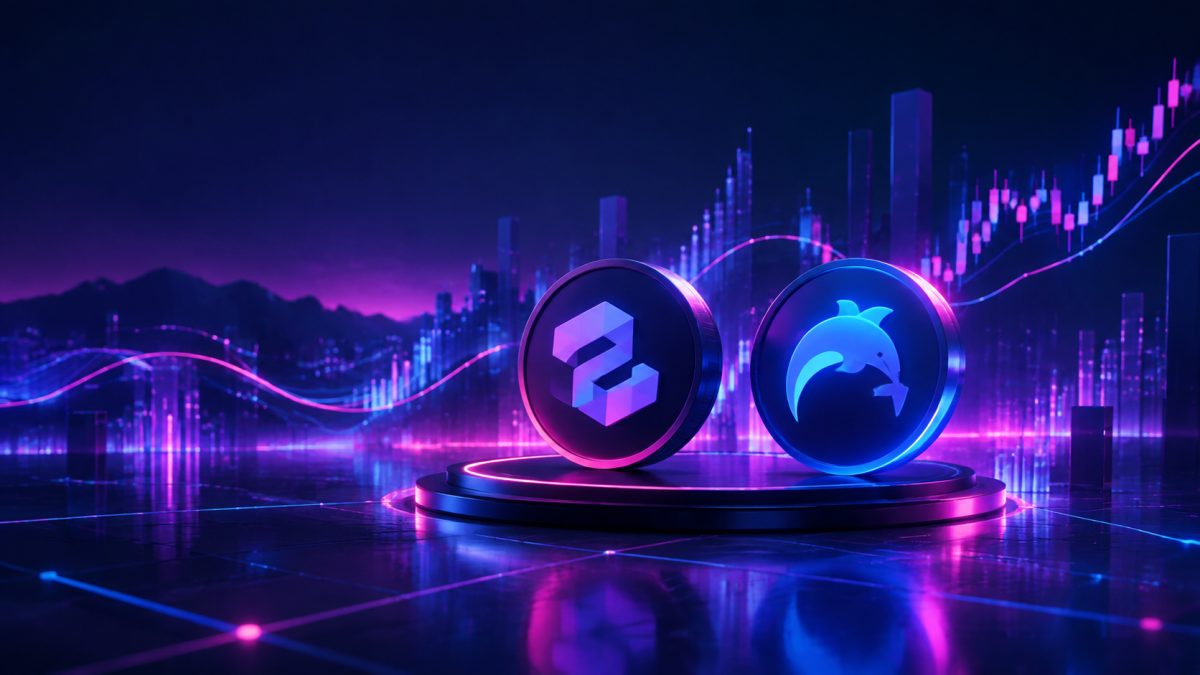
TREE NEWS reports: Bithumb, South Korea’s second-largest cryptocurrency exchange by trading volume, has listed Bedrock (BR) and Dolphin (POD) against the Korean won. The move grants both tokens direct fiat on-ramps into one of the world’s most active retail crypto markets, bypassing the need for intermediate stablecoin or BTC pairs.
Why Won Pairs Matter
A KRW listing on a major Korean venue is more than a technical formality. South Korea’s trading landscape is dominated by retail participants who overwhelmingly favor direct fiat pairs over USDT or BTC cross-rates. Historically, tokens that secure a “won pair” on either Bithumb or Upbit see immediate spikes in volume, tighter spreads, and a measurable “Kimchi premium” effect as domestic demand separates from global pricing.
- Liquidity injection: Direct KRW access lowers friction for local buyers, often translating into sharp short-term volume expansion.
- Visibility signal: Korean exchanges apply relatively strict listing reviews, so approval functions as a soft legitimacy stamp.
- Arbitrage dynamics: Price gaps between Korean and offshore venues can widen, attracting sophisticated traders.
Bedrock and Dolphin in Context
Bedrock (BR) has positioned itself around infrastructure-oriented use cases, while Dolphin (POD) targets a distinct community-driven niche. Neither is a top-tier asset by global market capitalization, which makes the Bithumb listing notable: it signals that the exchange is willing to extend fiat access to smaller-cap projects, not just blue-chip tokens.
This pattern mirrors a broader trend across Korean exchanges, which have increasingly competed on listing breadth to capture retail attention. As Upbit and Bithumb jostle for market share, aggressive listing strategies have become a core differentiator.
Implications for the Broader Market
For project teams, a Korean won listing can be a turning point. Korean retail flows are notoriously momentum-driven, and a well-timed listing can create self-reinforcing volume cycles. However, the same dynamic cuts both ways: tokens that fail to sustain organic interest after listing often experience rapid post-listing decay.
For investors, the key question is whether the listing reflects genuine project fundamentals or simply a short-term liquidity event. Watching on-chain holder distribution, exchange inflow patterns, and whether volume persists beyond the initial 72-hour window will separate durable listings from fleeting pumps.
Looking Ahead
Expect continued listing competition among Korean venues as they seek to defend retail market share against global exchanges and evolving regulatory expectations. If Bedrock and Dolphin sustain trading activity, their listings could encourage Bithumb to accelerate approvals for other small and mid-cap tokens, further blurring the line between “major” and “emerging” assets in the Korean market.