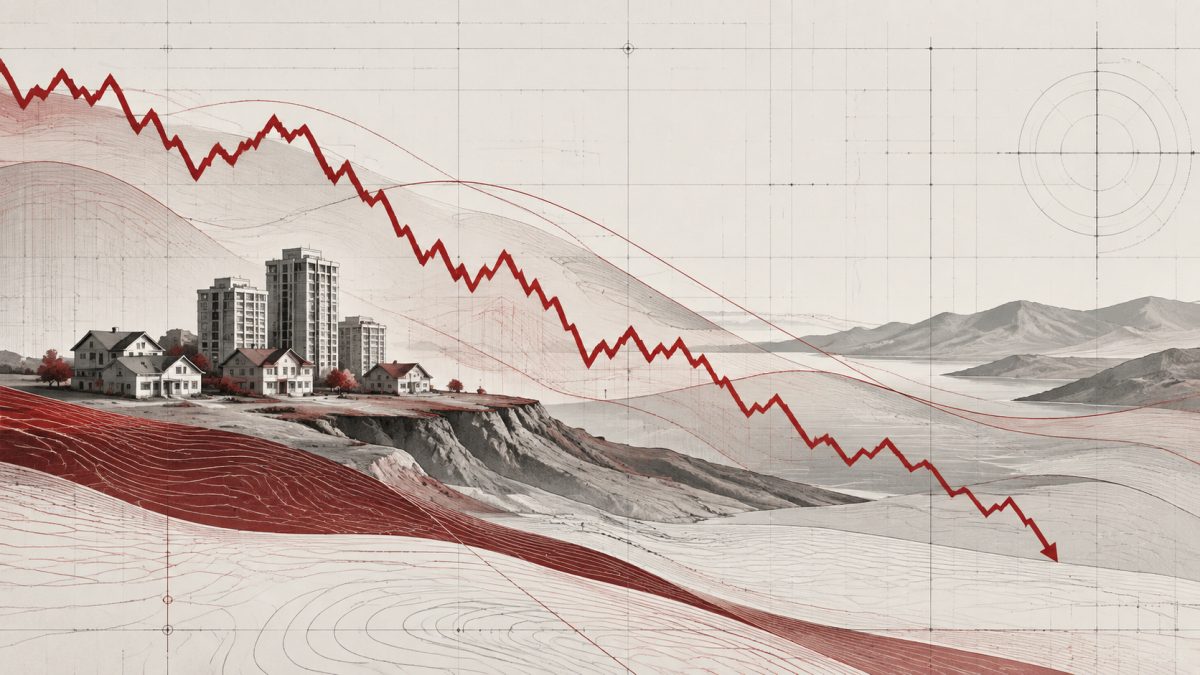
Real Estate Sector Erases Bubble-Era Gains Relative to the Broader Market
TREE NEWS reports: US real estate equities have fallen to a record low relative to the S&P 500, wiping out the entire outperformance accumulated during the post-2008 recovery and the pandemic-era boom. The ratio of real estate sector performance to the benchmark index now sits below levels last seen during the 2008 financial crisis, a stark reversal for a sector that once commanded a premium valuation.
The slump reflects a punishing combination of elevated interest rates, tightening credit conditions, and structural shifts in commercial property demand. With the Federal Reserve holding rates at multi-decade highs for an extended period, real estate investment trusts (REITs) and property developers face soaring refinancing costs that compress margins and threaten dividend sustainability.
Why Rates Are Crushing Real Estate
Real estate is among the most rate-sensitive sectors in the equity market. Higher borrowing costs directly impact:
- Cap rates and valuations: As the risk-free rate rises, capitalization rates expand, pushing property values lower.
- Refinancing walls: Trillions in commercial mortgages mature over the next two years, forcing borrowers to refinance at rates that may double their interest expenses.
- REIT yields: When Treasury yields exceed 4.5%, income-focused investors rotate out of REITs into safer government debt.
Peter Schiff, a prominent critic of loose monetary policy, has argued the sector will sink further, warning that the commercial real estate downturn is far from over. His view aligns with a growing chorus of analysts who see office vacancies persisting well above pre-pandemic norms, particularly in gateway cities like San Francisco, New York, and Chicago.
Commercial vs. Residential: A Tale of Two Markets
While commercial real estate — especially offices — faces a generational reckoning, residential housing remains structurally undersupplied. However, residential REITs are not immune: affordability constraints, elevated mortgage rates near 7%, and slowing rent growth are beginning to weigh on earnings.
The divergence suggests stock pickers must be surgical. Data center REITs, logistics properties, and healthcare facilities tied to demographic trends may offer relative resilience, while traditional office and retail landlords confront existential questions.
Forward Outlook: Rate Cuts Are Not a Silver Bullet
Even if the Fed begins cutting rates in the coming quarters, the real estate sector faces a slow, painful normalization. Many properties were underwritten in a near-zero-rate environment and simply cannot service debt at current levels. Distressed sales, loan defaults, and REIT dividend cuts are likely to accelerate before a true bottom forms.
For investors, the message is clear: the era of passive real estate outperformance is over. Selective, fundamentally driven allocation — with a keen eye on balance sheets and debt maturity profiles — will separate winners from losers in the years ahead.