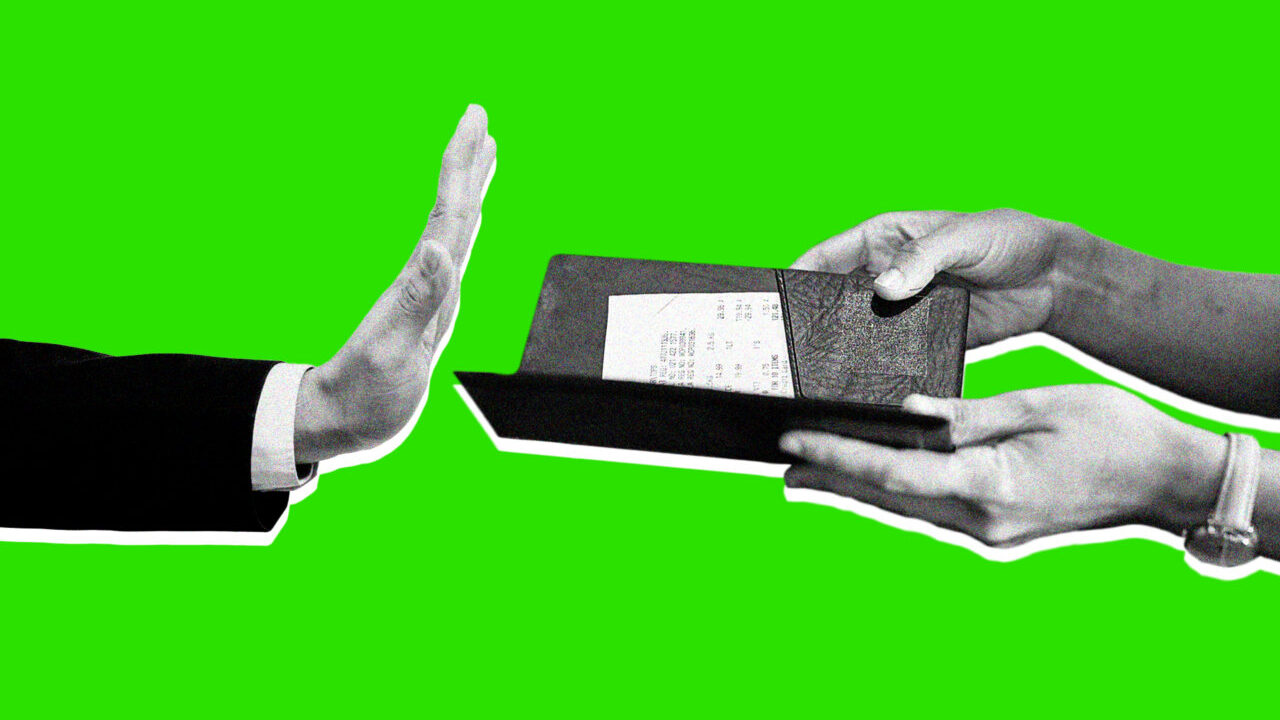
Washington and Wall Street Are Deferring the Bill — And You’re Picking Up the Tab
TREE NEWS reports: The U.S. government and major Wall Street institutions are quietly engaging in a time-honored tradition: spending now and figuring out who pays later. The polite term is “deferring payment.” The less polite term is opening a tab at the bar and hoping someone else settles it. But make no mistake — that someone is increasingly the ordinary investor, the taxpayer, and the saver.
At the heart of the story is a familiar dynamic. Federal deficits remain structurally wide, requiring the Treasury to issue a steady stream of new debt. Meanwhile, large financial institutions have grown comfortable with a business model that relies on cheap funding, regulatory forbearance, and the implicit assumption that the government will step in if things go wrong. The result is a system where risk is socialized and rewards are privatized — a pattern that has repeated itself for decades but is now reaching a scale that demands attention.
Why This Matters Now
The timing is not accidental. Interest rates have risen sharply from their post-2008 lows, meaning the cost of servicing existing debt has ballooned. Every basis point increase in yields translates into billions of dollars in additional annual interest payments for the U.S. Treasury. At the same time, Wall Street firms are facing tighter liquidity conditions, commercial real estate stress, and the looming prospect of stricter capital rules. Rather than absorb these costs, the system is doing what it always does: pushing them downstream.
For investors, the implications are profound. When governments and banks defer payment, the bill eventually shows up in the form of higher inflation, currency debasement, or both. That is not a theoretical concern — it is the mechanism by which purchasing power is quietly transferred from savers to debtors, and from Main Street to the institutions that dominate Capitol Hill and the financial district.
Market Implications
- Stocks: Equities may continue to climb in nominal terms, but real returns — adjusted for inflation and currency debasement — could disappoint. Sectors tied to government spending and cheap credit, such as defense, infrastructure, and large-cap tech, may benefit in the short run. But valuations are already stretched, leaving little margin for error if the deferral strategy backfires.
- Bonds: Treasury yields are likely to remain elevated as supply floods the market. The risk of a “buyers’ strike” — where investors demand higher yields to absorb the debt — is real. Long-duration bonds are especially vulnerable.
- Crypto: Bitcoin and other hard-capped digital assets are increasingly viewed as a hedge against fiscal mismanagement. If the deferral narrative gains traction, expect renewed interest in crypto as a store of value, particularly among younger investors who are skeptical of traditional institutions.
- Commodities: Gold and silver tend to shine when confidence in fiat currencies wanes. Oil and industrial metals will depend more on global growth, but the debasement trade provides a floor for precious metals.
- Currencies: The dollar’s reserve status gives the U.S. extraordinary leeway, but that is not infinite. A sustained policy of deferral could accelerate de-dollarization efforts by China, Russia, and other nations seeking alternatives.
Key Takeaways for Investors
- Think in real terms, not nominal: A portfolio that looks flat in dollar terms may be losing ground after inflation and taxes.
- Diversify beyond traditional assets: Hard assets, including gold and bitcoin, offer a hedge against currency debasement.
- Watch the bond market closely: Yields are the clearest signal of investor confidence — or lack thereof — in the government’s ability to manage its obligations.
- Prepare for volatility: Deferral works until it doesn’t. When the bill comes due, markets may reprice quickly and violently.
The bottom line: Washington and Wall Street have made a choice. They are choosing to delay the pain, hoping that growth, inflation, or some combination of the two will bail them out. Investors who understand this dynamic can position themselves accordingly — and avoid being the last one holding the tab.