News Summary
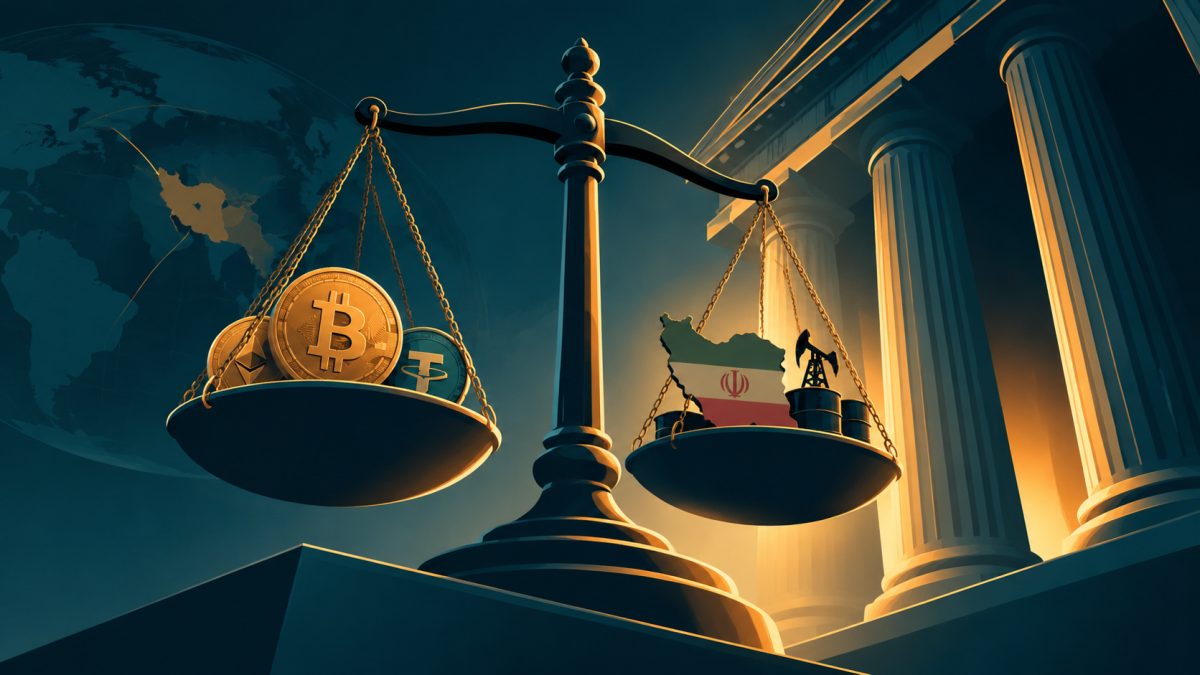
TREE NEWS reports: According to Reuters, sources indicate that the US Treasury Department is expected to announce an expansion of secondary sanctions targeting countries and entities that conduct business with Iran. This move broadens the scope of existing sanctions, potentially affecting a wider range of international actors, including those in the digital asset space.
Industry Analysis
The expansion of secondary sanctions carries significant implications for the cryptocurrency and blockchain industry. Secondary sanctions are designed to penalize non-US entities that engage in sanctioned activities, even if they operate entirely outside US jurisdiction. For crypto exchanges, DeFi protocols, and payment processors, this means heightened compliance burdens and legal risks.
- Increased Compliance Costs: Exchanges and on-ramps will need to enhance their sanctions screening, monitoring blockchain addresses linked to Iranian entities, and potentially blocking transactions that touch sanctioned parties.
- DeFi Challenges: Decentralized platforms with no central operator face inherent difficulties in enforcing sanctions. This could lead to increased scrutiny and pressure on such protocols to implement controls, possibly undermining their decentralized nature.
- Regulatory Ripple Effects: The move signals a more aggressive stance by the US Treasury, which may extend to other sanctioned jurisdictions. Crypto firms should expect more stringent enforcement actions and potential fines for non-compliance.
Historically, OFAC has targeted crypto addresses associated with Iran, such as those used by Iranian exchanges or oil traders. The expanded sanctions will likely increase the frequency and scope of such designations, making it imperative for compliance teams to adopt real-time blockchain analytics and robust KYC/AML procedures.
Forward-Looking Perspective
As the US tightens its sanctions regime, the crypto industry must brace for a new era of regulatory complexity. We can anticipate:
- Enhanced Surveillance: Blockchain analytics firms will see increased demand for their services as companies seek to identify and block sanctioned transactions.
- Geopolitical Fragmentation: Countries like Russia and China may accelerate efforts to develop alternative payment systems and digital currencies that bypass US sanctions, potentially leading to a more fragmented global crypto landscape.
- Innovation in Compliance: Expect the emergence of privacy-preserving compliance tools that allow protocols to screen transactions without exposing user data, balancing regulatory requirements with user privacy.
In the short term, crypto businesses should review their sanctions policies, update their risk assessments, and ensure they have the technology to detect and report any transactions linked to Iran. The long-term viability of decentralized finance may hinge on its ability to adapt to an increasingly sanctions-conscious world.