Anthropic’s Mods System Sparks a Developer Creativity Explosion
TREE NEWS reports: Anthropic has quietly transformed its Claude Code terminal into a modular development platform, and developers are responding with an outpouring of creativity that resembles the early days of Minecraft modding culture. The mechanism, called Mods, was released on GitHub in mid-September by Claude Code lead Boris Cherny and formally entered the changelog on October 1 as a default-enabled feature.
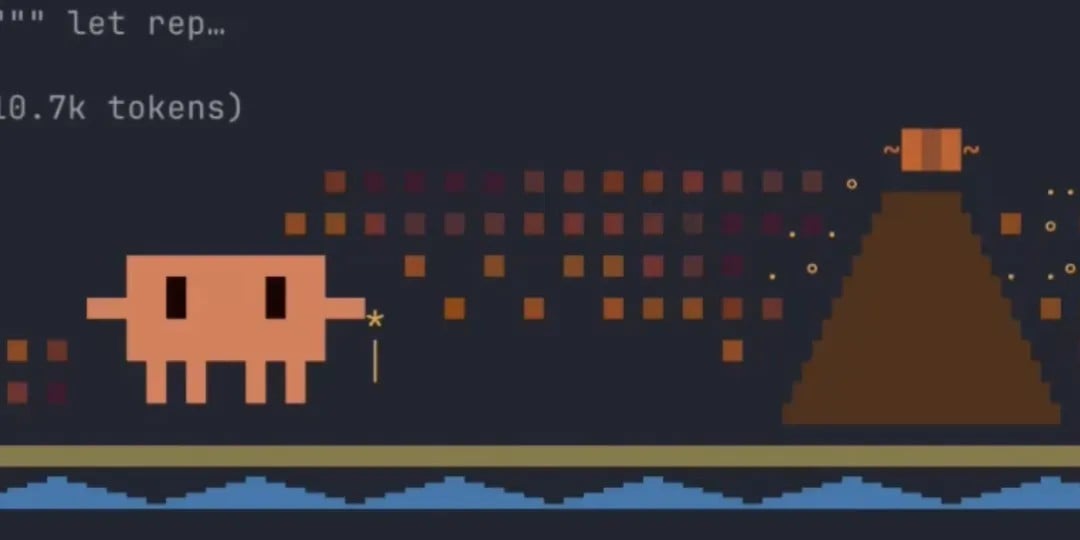
Within days, developers built pixel pets that feed when Claude invokes tools, a Chrome-style dinosaur game for idle moments, a 4-7-8 breathing guide for waiting periods, and even a 260,000-parameter language model that generates real-time stories about what Claude is working on. One developer, jarrodwatts, built a playable Doom mod inside the terminal.
The Architecture Behind the Chaos
Mods are lightweight TypeScript functions running inside plugins, but their permissions are substantial. They can open panels beside conversations, draw status bars above the input field, intercept commands before execution, and route requests to alternative models. Developers can create mods simply by asking Claude to write them.
The critical detail: Anthropic revealed that its own /diff panel and AGENTS.md support are built using the same Mods mechanism, with source code publicly available. This means official features and community mods share identical tooling — a significant signal about Anthropic’s platform strategy.
An App Store Blueprint Emerges
Anthropic’s recent cadence reveals a broader plan. On September 23, it launched Claude Marketplace with over 2,000 plugins. Two days later, it opened a submission portal with automated validation, security scanning, and human review. By October 1, Mods shipped as bundled plugins that can be submitted to the directory.
In ten days, Anthropic assembled the full stack of an app store: marketplace, review pipeline, developer backend, and deep customization capability. The company indicated that Claude app and Claude Code plugin entry points will unify in coming weeks.
Competitive Positioning and Open Questions
The contrast with OpenAI’s Codex is instructive. Codex offers pets and plugin mechanisms, but interface rendering and tool interception remain closed. DeepSeek’s open-sourced Harness takes the opposite approach — MIT-licensed, “everything is a plugin,” even the agent loop is replaceable. Claude Code sits in the middle: core reasoning loop closed, but nearly everything else open.
Security concerns are real. Documentation warns that mods have the same machine access as Claude Code itself, and only trusted sources should be installed. Enterprise admin controls exist but the attack surface is genuine.
The deeper question is economic sustainability. Minecraft’s modding culture thrived on passion and community reputation over decades. Productivity tools operate differently. Anthropic’s directory currently shows no revenue sharing — a mod installed by thousands yields only usage data for its creator. When novelty fades, what keeps developers building for a closed platform with no economic return?
Anthropic has dumped the Lego box on the table. How large this code-built Minecraft grows depends on what it ultimately offers its builders.