News Summary
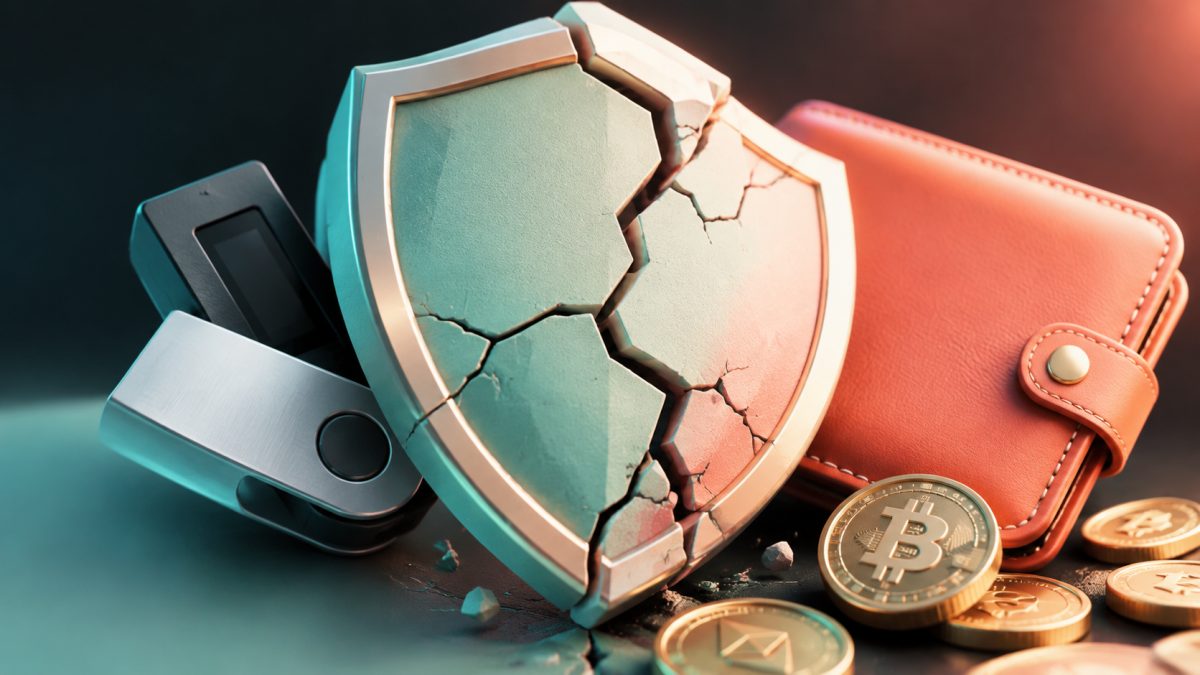
TREE NEWS reports: Binance founder Changpeng Zhao (CZ) has re-entered the wallet security debate, emphasizing that users should prioritize asset safety (SAFU) while clarifying that he does not oppose hardware wallets or self-custody. In a public statement, CZ noted that different wallets and products serve distinct use cases, each with its own security implications and best practices. He also disclosed that YZi Labs has invested in hardware wallet projects OneKey and SafePal, as well as mobile wallet Trust Wallet.
Industry Analysis
CZ’s comments arrive at a critical juncture for crypto custody. Following a series of high-profile exchange collapses and bridge hacks, the industry has been polarized between advocates of centralized custodians and hardcore self-custody proponents. CZ’s stance suggests a more nuanced view: security is not a binary choice but a spectrum that depends on user behavior, asset size, and transaction frequency.
The disclosure of YZi Labs’ investments in OneKey, SafePal, and Trust Wallet is strategically significant. It signals that CZ’s family office is betting on a multi-layered wallet infrastructure rather than a single solution. Hardware wallets like OneKey and SafePal cater to long-term holders and high-net-worth users who prioritize cold storage, while Trust Wallet serves the retail mobile-first demographic. This portfolio approach mirrors the broader market trend: wallet-as-a-service and modular security are becoming investment themes.
From a regulatory perspective, self-custody wallets face increasing scrutiny. The EU’s MiCA framework and proposed US legislation have raised questions about KYC obligations for non-custodial wallets. CZ’s emphasis on “different use cases” may be a subtle pushback against one-size-fits-all regulation, advocating for a risk-based approach instead.
Forward-Looking Perspective
As institutional capital enters crypto via ETFs and tokenized funds, the custody landscape will bifurcate further. Expect to see hybrid models—insured self-custody with recovery options, multi-signature institutional wallets, and wallet abstraction that hides complexity from end users. CZ’s comments may presage a broader educational push from major players, positioning wallet security as a shared responsibility between users, developers, and regulators. The next battleground will be user experience: making self-custody as seamless as centralized apps without sacrificing security.