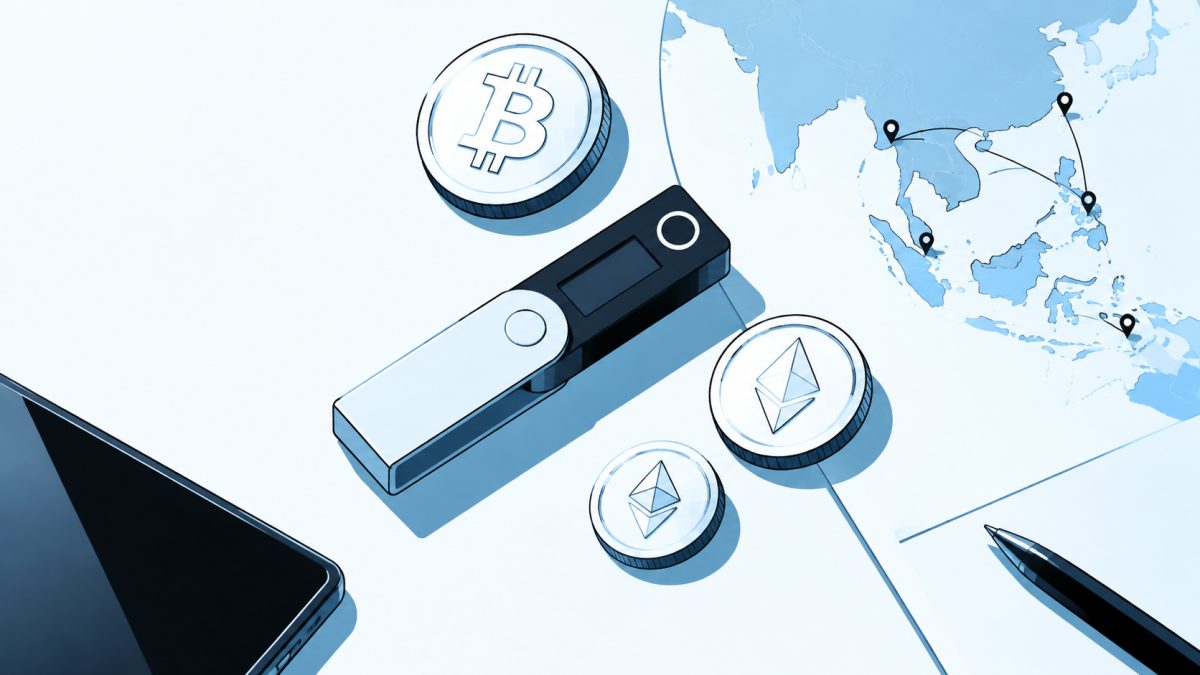
Supply Chain Scare Widens After CryptoBilis Ledger Tampering Case
TREE NEWS reports: On-chain analyst Darkfost has published a list of resellers considered potentially risky following a hardware implant incident linked to CryptoBilis, a distributor of Ledger hardware wallets. The list includes CryptoBilis itself along with N-Crypt, Tokopedia and Shopee — platforms with significant user bases across Southeast Asia. The disclosure comes as investigators and community members piece together how compromised devices may have entered the legitimate retail channel.
Why Hardware Wallet Supply Chains Are a Soft Target
Hardware wallets are designed on the premise that the private key never leaves the device. That guarantee collapses if the device is tampered with before it reaches the buyer. Attack vectors range from pre-initialized seed phrases and modified firmware to physical implants that intercept signing operations. Because resellers sit between the manufacturer and the end user, they represent the weakest link in an otherwise robust security model.
Southeast Asia is particularly exposed. E-commerce penetration is high, official distribution is thin, and buyers frequently prioritize price and delivery speed over verified sourcing. Marketplaces such as Shopee and Tokopedia aggregate thousands of third-party sellers, making it difficult to audit provenance at scale.
Implications for the Broader Market
- Consumer trust: Retail buyers may delay purchases or migrate to software wallets and multisig setups, at least temporarily.
- Manufacturer liability: Hardware vendors will face pressure to expand direct-to-consumer sales, introduce tamper-evident packaging and publish verifiable supply chain records.
- Reseller scrutiny: Regional resellers named in such lists risk delisting, chargebacks and reputational damage even absent proof of wrongdoing.
- Secondary markets: Pre-owned devices could become effectively unsellable without attestation of authenticity.
What Comes Next
The episode is likely to accelerate three trends. First, on-device attestation — cryptographic proof that firmware is genuine and the device has not been initialized — will move from nice-to-have to baseline expectation. Second, buyers will increasingly insist on purchasing directly from manufacturers or authorized distributors with verifiable chains of custody. Third, marketplaces operating in Southeast Asia may be compelled to introduce seller verification tiers for security-sensitive hardware.
For now, the practical advice is unchanged: never trust a pre-generated seed phrase, verify firmware signatures on first use, and treat any device bought through an unverified channel as compromised until proven otherwise. The CryptoBilis case is a reminder that in self-custody, the supply chain is part of the attack surface.