Korean Enterprises Face AI Infrastructure Crunch: 72% Say Data Centers Unfit for Scale-Up
TREE NEWS reports: A new Dell Technologies survey released at the ‘Dell Technologies Forum 2026’ reveals a stark reality for South Korean businesses: 72% of respondents believe their current data center environments are insufficient to support large-scale AI and data analytics workloads. The findings, reported by Yonhap News on August 25, underscore a critical bottleneck in the nation’s AI ambitions.
Key Findings: Modernization Urgency and Compliance Hurdles
- Infrastructure Gap: 72% of Korean enterprises say existing data centers cannot handle intensive AI workloads, prompting 84% to plan modernization through hardware consolidation, server upgrades, and storage enhancements.
- Regulatory and Security Friction: 75% find it difficult to comply with government AI data regulations; 65% report AI projects delayed or halted due to security/compliance issues; 60% worry about entrusting sensitive corporate data to generative AI tools that may be accessed by third parties.
Industry Analysis: The Hidden Cost of AI Scale
The survey highlights that AI adoption is not merely a software problem—it is a hardware and governance problem. As Korean conglomerates and mid-sized firms race to deploy generative AI, they are hitting physical limits: power, cooling, and data throughput. The 84% modernization intent signals a capex wave, but also a strategic shift toward edge computing, GPU-accelerated infrastructure, and hybrid architectures.
More critically, the compliance anxiety (75%) reflects a broader global trend. With regulators tightening AI data governance—from the EU AI Act to Korea’s own Digital Bill of Rights—enterprises are realizing that AI projects cannot bypass data sovereignty and privacy frameworks. The 65% project delay rate is a warning: security missteps can erase competitive advantage.
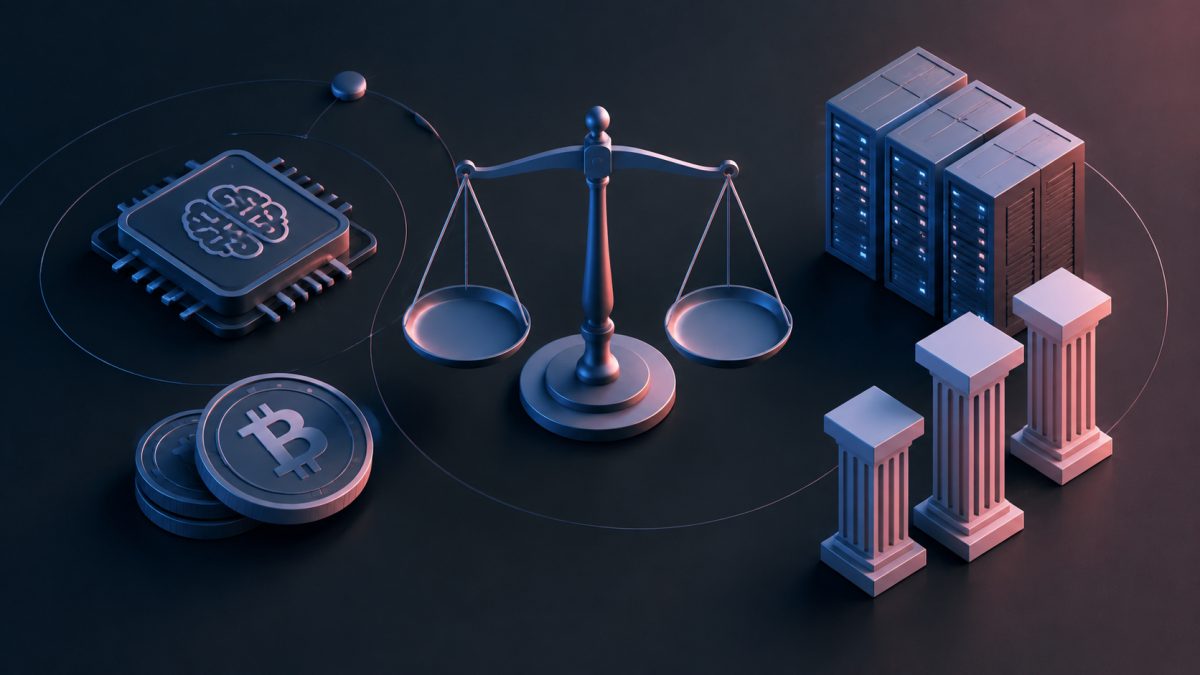
For the crypto and blockchain sector, this is a pivotal moment. Decentralized compute networks (e.g., Render, Akash) and on-chain data marketplaces offer alternatives to centralized data centers, providing verifiable provenance and compliance-friendly data handling. As Korean firms struggle with trust and governance, blockchain-based solutions could emerge as a bridge—though adoption remains nascent.
Forward-Looking Perspective
The survey suggests a multi-year enterprise IT upgrade cycle in Korea, with AI-ready infrastructure becoming a board-level priority. Expect increased investment in liquid cooling, high-bandwidth networking, and AI-optimized chips. Simultaneously, regulatory clarity will be essential; enterprises will likely push for ‘AI sandboxes’ and industry-specific guidelines.
For investors, this is a tailwind for data center REITs, hardware vendors, and cybersecurity firms. For the crypto-native world, the challenge is to demonstrate that decentralized infrastructure can meet enterprise-grade compliance—an uphill task, but one that could redefine the ‘AI + blockchain’ narrative from speculative to practical.