A Century-Old Gem Reappears as Prices Tumble
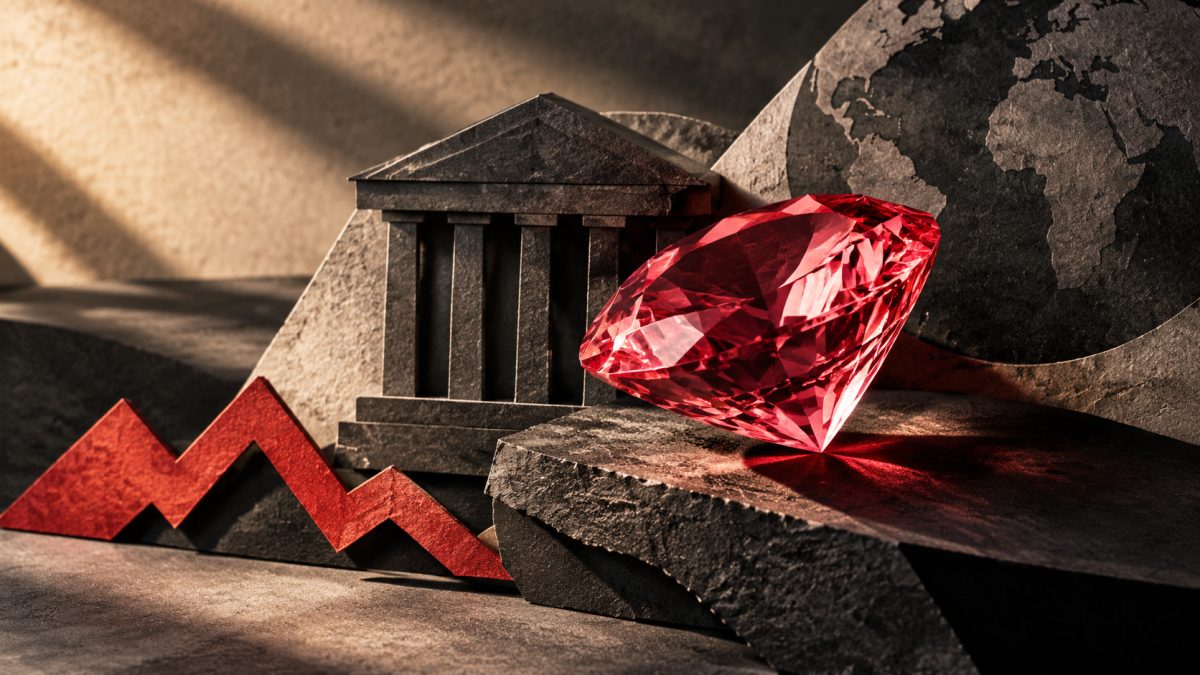
TREE NEWS reports: A priceless pink diamond, stolen in 1926, has returned to public view in France. The gem’s reemergence comes at an awkward moment for the natural diamond industry: prices for natural stones have sunk to record lows, pressured by a flood of cheaper lab-grown alternatives.
The diamond, whose exact identity and provenance have been closely guarded, was displayed in France this week. Its return after nearly a century underscores the enduring allure of rare natural stones even as the broader market for diamonds faces structural upheaval.
Lab-Grown Stones Reshape the Market
The natural diamond market has been under mounting pressure for years. Lab-grown diamonds, which are chemically and physically identical to mined stones but cost a fraction of the price, have surged in popularity among budget-conscious consumers and younger buyers. The result has been a sharp decline in wholesale prices for smaller natural diamonds, with some categories hitting multi-decade lows.
Industry analysts note that the bifurcation is deepening: exceptional, high-color, high-clarity stones and fancy colored diamonds continue to command premiums at auction, while commercial-grade natural diamonds increasingly compete directly with lab-grown equivalents.
Implications for Asset Tokenization
The turmoil in the physical diamond market has not gone unnoticed by the blockchain sector. Diamonds have long been a target for tokenization projects seeking to bring illiquid, high-value assets on-chain. Proponents argue that blockchain-based provenance records could combat fraud, improve traceability, and unlock liquidity for diamond holders.
However, the collapse in prices for mainstream natural diamonds complicates the valuation models underpinning such ventures. Tokenized diamond platforms must now contend with a market where the underlying asset’s value is volatile and, in some segments, declining.
- Provenance tracking: Blockchain registries could help verify the history of stones like the returned pink diamond, reducing fraud risk.
- Valuation challenges: Falling prices for commercial diamonds make it harder to price tokenized assets and structure collateralized offerings.
- Niche appeal: Rare colored diamonds may remain attractive for tokenization as collectible, high-value assets with stronger price resilience.
Forward Look
The return of the pink diamond is a reminder that scarcity and story still matter in the luxury market. But for the broader diamond trade, the future hinges on how successfully the industry segments its market and whether tokenization can provide genuine liquidity and trust. As lab-grown stones continue to gain share, the natural diamond sector — and the crypto projects building around it — will need to adapt to a new pricing reality.