KFC Ends 40-Year Pepsi Partnership, Switches to Coca-Cola in 2027
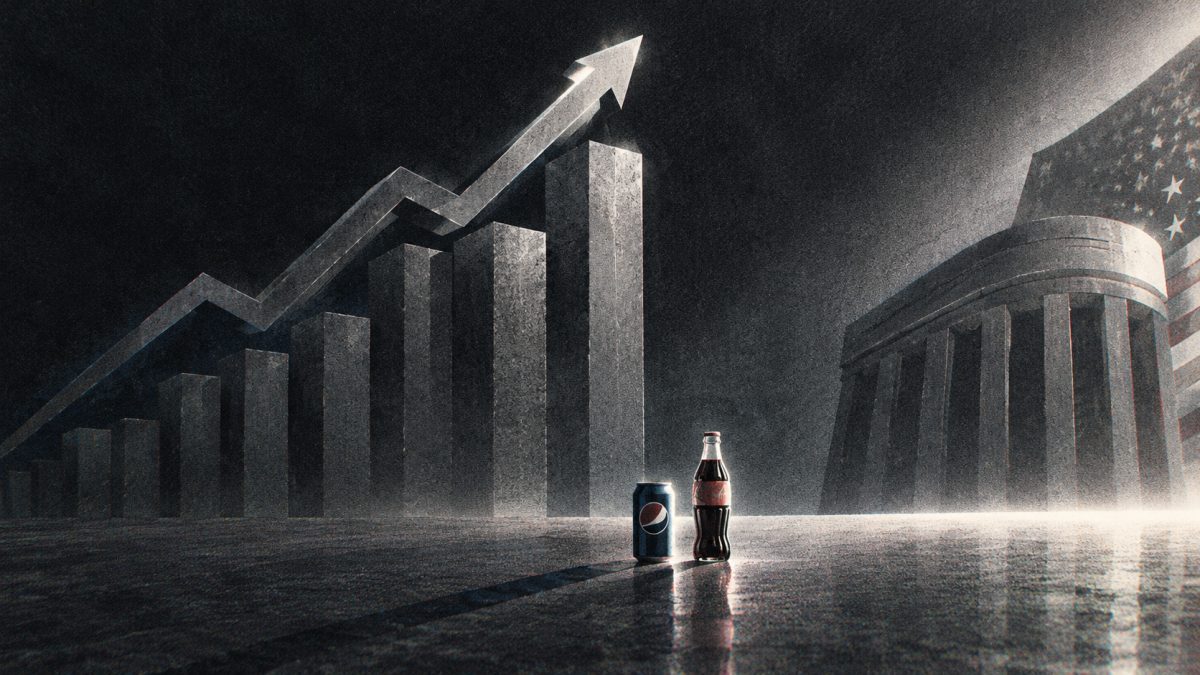
TREE NEWS reports: KFC has confirmed that it will replace PepsiCo beverages with Coca-Cola products across its approximately 3,700 U.S. restaurants starting in January 2027, ending a nearly four-decade partnership that began when PepsiCo owned the fried-chicken chain. The transition is expected to be completed by spring of that year, president of KFC U.S. The move is part of a broader turnaround effort at KFC and its parent company Yum! Brands, which has been under pressure from activist investor Elliott Investment Management to accelerate store renovations and improve customer experience.
For Coca-Cola, the deal represents a significant win in its long-running rivalry with PepsiCo, giving it access to thousands of high-traffic quick-service locations. For PepsiCo, the loss comes at a challenging time: the company is already grappling with soft beverage sales in North America and faces questions about its competitive position. The partnership dates back to 1986 when PepsiCo acquired KFC; even after PepsiCo spun off its restaurant division in 1997, creating what is now Yum! Brands, Pepsi remained the beverage supplier.
Market Implications
Stocks: The news is likely to be modestly positive for Coca-Cola (KO) and mildly negative for PepsiCo (PEP), though the financial impact is unlikely to be material to either company’s overall revenue. Coca-Cola gains volume and brand visibility in the U.S. fast-food channel, while PepsiCo loses a symbolic and long-standing account. Investors will watch whether the switch signals broader momentum for Coca-Cola in restaurant channels, where PepsiCo has historically been strong. Yum! Brands (YUM) could see a sentiment boost as the change aligns with Elliott’s push for operational improvements, but the ultimate test will be whether it drives traffic and sales.
Bonds: Both Coca-Cola and PepsiCo are highly rated issuers with stable cash flows. The loss or gain of a single restaurant chain is unlikely to affect their credit profiles or bond spreads. However, if PepsiCo’s North American beverage weakness persists, it could weigh on its long-term growth outlook, though not enough to rattle fixed-income investors in the near term.
Crypto: No direct impact. The story is a traditional consumer-staples and restaurant-sector event with no connection to digital assets.
Commodities: Indirect and negligible. A shift in beverage supplier does not alter underlying demand for sugar, corn syrup, aluminum, or other inputs at a scale that would move commodity markets. Coca-Cola may increase its syrup and concentrate volumes slightly, but the effect is immaterial.
Currencies: No meaningful impact. The companies generate significant international revenue, but this domestic supplier change does not alter foreign-exchange exposure or hedging needs.
Why This Matters for Investors
While the direct financial impact is small, the symbolism is significant. It highlights the intensifying competition in the U.S. beverage market and the pressure on PepsiCo to reinvigorate its North American business. For Yum! Brands, the switch is a tangible step in its efforts to satisfy activist demands and revive KFC’s U.S. performance. Investors should monitor whether the change translates into improved same-store sales and whether PepsiCo responds with new partnerships or marketing initiatives to defend its foodservice footprint.
- Coca-Cola gains a high-profile account, reinforcing its foodservice presence.
- PepsiCo faces another headwind amid already soft North American beverage sales.
- Yum! Brands shows responsiveness to activist pressure, but execution remains key.
- Financial materiality is low for all three companies; sentiment and strategic positioning matter more.