United CEO Kirby Defends Higher Airfares and Seat Fees as Costs Rise
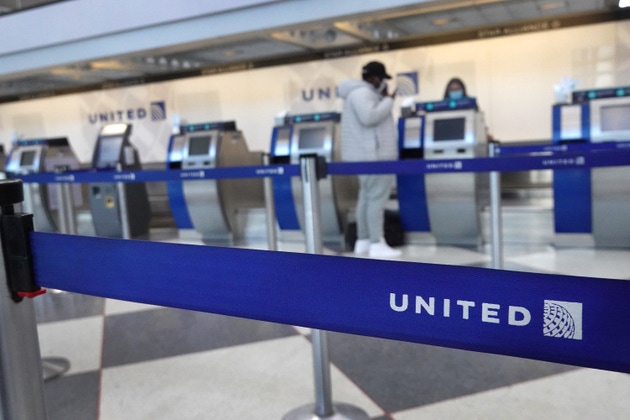
TREE NEWS reports: United Airlines CEO Scott Kirby on Wednesday defended the carrier’s higher airfares and ancillary fees, including seat selection charges, arguing that rising costs justify the pricing strategy. Speaking at an industry conference, Kirby said that the airline industry faces persistent inflationary pressures, from labor to fuel, and that United’s pricing reflects the need to maintain profitability and invest in service improvements. His comments come as airlines navigate a post-pandemic travel boom tempered by economic uncertainty and volatile fuel prices.
Market Implications
Kirby’s remarks highlight the pricing power airlines currently hold, which could support revenue growth for United and peers. However, higher fares and fees may also draw regulatory scrutiny and consumer backlash, potentially impacting demand elasticity. For investors, the airline sector remains sensitive to fuel costs and economic cycles. United’s stock (UAL) may see short-term volatility as the market digests management’s commentary on costs and pricing. Broader implications extend to the travel and leisure sector, as well as inflation readings, given airfare’s role in core services inflation.
- Stocks: Airline stocks could react positively if pricing power translates to margin expansion, but concerns over demand destruction may cap gains. UAL specifically may benefit from a strong pricing narrative.
- Bonds: Minimal direct impact, but persistent services inflation could influence Fed policy expectations, affecting bond yields.
- Crypto: No direct correlation, though risk sentiment could be influenced by broader market trends.
- Commodities: Jet fuel costs remain a key input; any spike in oil prices could pressure airline margins despite higher fares.
- Currencies: USD strength could affect international travel demand, but impact is indirect.
Key Takeaways for Investors
Investors should monitor airline pricing trends as a signal of consumer health and inflation dynamics. United’s ability to sustain higher fares without dampening demand will be crucial for its earnings outlook. Additionally, regulatory risks around fee transparency could emerge. For portfolio positioning, consider the airline sector’s cyclical nature and hedge against fuel cost volatility. Overall, Kirby’s defense of pricing underscores the industry’s focus on profitability amid cost pressures, a theme likely to persist in upcoming earnings reports.