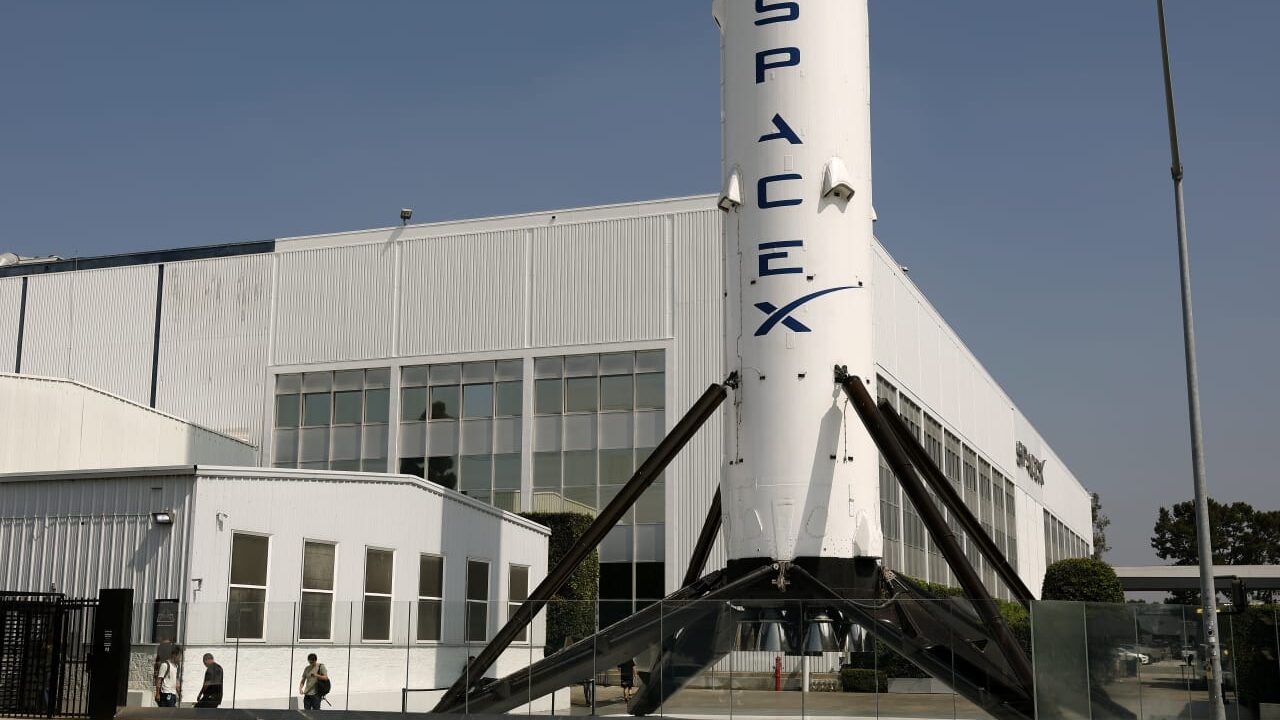
SpaceX Stock Surges, Lifting the Broader AI Universe
TREE NEWS reports: SpaceX shares jumped sharply on Wednesday after the company reported a surge in demand for its computing power, giving investors a fresh reason to believe in the artificial-intelligence boom. The rally in the privately held rocket and satellite company—which has become a bellwether for the AI trade—spilled over into the broader technology sector, lifting shares of AI chipmakers, cloud providers and other companies tied to the AI supply chain.
While SpaceX is not publicly traded, its stock is closely watched through secondary market transactions and employee tender offers. The latest move higher came after the company disclosed that demand for its AI-related computing services is “off the charts,” according to people familiar with the matter. The disclosure underscores how SpaceX, best known for its reusable rockets and Starlink satellite internet constellation, has quietly become a significant player in the AI infrastructure space.
What Happened
SpaceX’s valuation has climbed to new heights as investors scramble for exposure to the company’s fast-growing AI computing business. The company’s Starlink network, which provides high-speed internet via thousands of satellites in low Earth orbit, is increasingly being used to support AI workloads, including data transmission and edge computing. The demand has been so strong that SpaceX is reportedly accelerating plans to expand its satellite constellation and ground infrastructure.
The news sent ripples through the public markets. Shares of AI chip leader Nvidia rose, along with other semiconductor companies that supply data center components. Cloud computing providers and companies involved in satellite communications also saw gains. The rally reflects a broader investor appetite for any company with a credible AI narrative, even if the connection is indirect.
Market Implications
The surge in SpaceX’s stock is significant for several reasons. First, it highlights the growing intersection of space technology and artificial intelligence. As AI models become more complex, the need for robust, low-latency communication networks becomes critical. SpaceX’s Starlink constellation offers a unique solution for connecting remote data centers and enabling real-time AI applications.
Second, the move underscores the market’s willingness to reward companies that can demonstrate tangible AI demand. In recent months, investors have grown more discerning, punishing companies whose AI ambitions lack substance. SpaceX’s disclosure of “off the charts” demand provides a rare concrete data point in a sector often fueled by hype.
Third, the rally in SpaceX’s stock could have a spillover effect on other private companies with AI exposure. Venture capital and private equity firms may use SpaceX’s success as a benchmark, leading to higher valuations for AI-focused startups. This could fuel further investment in the sector and accelerate innovation.
For public markets, the impact is more nuanced. While the AI trade remains strong, investors are increasingly focused on valuations and profitability. SpaceX’s private status means that public investors cannot directly participate in its upside, but they can invest in the ecosystem of suppliers and partners that benefit from its growth.
Key Takeaways for Investors
- AI infrastructure is broadening: The AI boom is no longer just about chips and software. Companies that provide the underlying infrastructure—including satellite communications, data centers and networking—are increasingly important.
- Private markets can signal public trends: SpaceX’s success in AI computing is a signal that demand for AI infrastructure is real and growing. Public investors should watch for similar themes in companies they can trade.
- Valuation discipline remains key: While the AI narrative is powerful, investors should focus on companies with clear revenue streams and competitive advantages. Hype can drive short-term gains, but sustainable performance requires fundamentals.
- Watch the supply chain: The companies that supply SpaceX and other AI infrastructure players—from chipmakers to satellite component manufacturers—may offer attractive opportunities for public market investors.
As the AI race accelerates, SpaceX’s ability to capitalize on demand for computing power is a reminder that the winners may not be the most obvious players. For investors, the key is to identify the companies that are building the backbone of the AI economy—and to do so with a clear eye on valuation and risk.