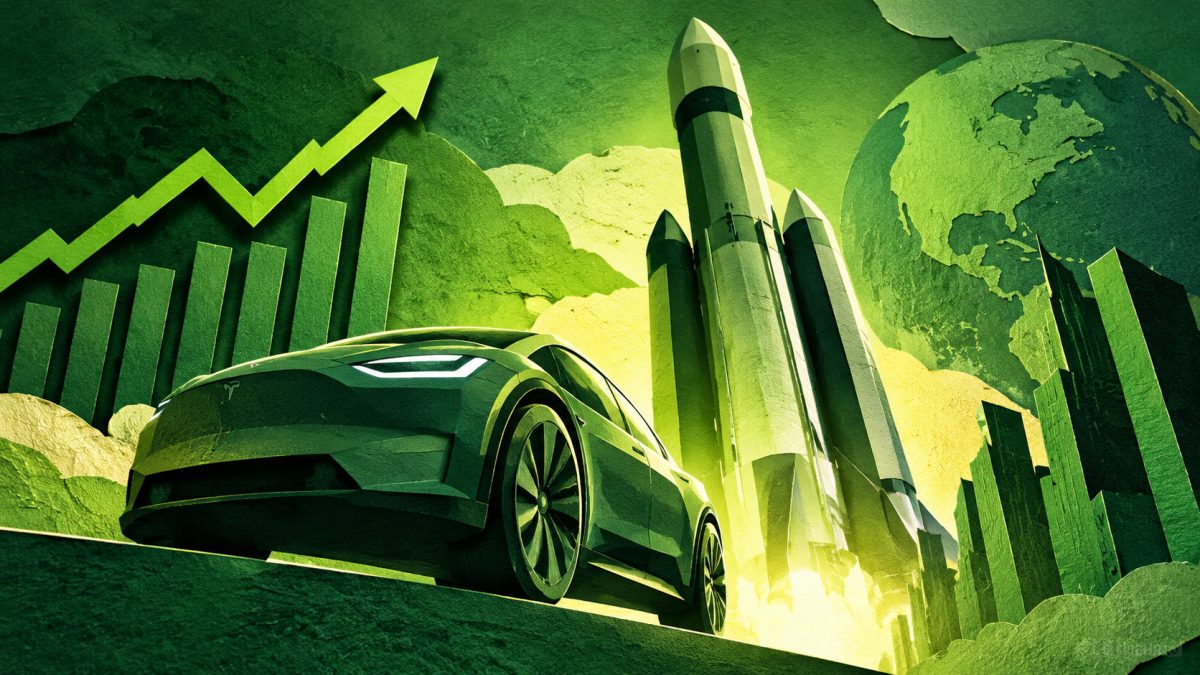
Musk Floats Tesla-SpaceX Merger While Projecting $1 Trillion SpaceX Revenue by 2027
TREE NEWS reports: Elon Musk said SpaceX could achieve an annual recurring revenue (ARR) run rate of $500 billion to $1 trillion by 2027, speaking during the company’s third-quarter webcast. He also called a potential merger with Tesla a “good idea,” fueling speculation about a combination of two of his most valuable ventures.
News Summary
During the Q3 webcast, Musk outlined an ambitious revenue trajectory for SpaceX, suggesting that the private space company could reach a $500 billion to $1 trillion ARR run rate within four years. He did not provide a detailed breakdown of how that revenue would be generated, but the figure dwarfs current estimates for SpaceX’s annual revenue, which analysts have pegged in the low tens of billions. Separately, when asked about a possible merger with Tesla, Musk responded positively, calling it a “good idea.”
Industry Analysis and Implications
The comments carry significant weight for both public and private markets. SpaceX remains privately held, but its valuation has become a bellwether for the space economy and for Musk’s broader business empire. A $1 trillion ARR target would imply a revenue scale comparable to the largest technology companies globally, far exceeding current projections for the satellite launch and Starlink broadband businesses.
A Tesla-SpaceX merger, meanwhile, would create a combined entity spanning electric vehicles, energy storage, satellite communications, and space launch. Such a combination would raise complex governance, regulatory, and valuation questions. Tesla is publicly traded, while SpaceX is private, meaning a merger would likely require extensive disclosure and shareholder approvals. It could also intensify scrutiny from regulators already attentive to Musk’s overlapping ventures.
For investors in crypto-linked equities, the news adds another layer of narrative to the “Musk premium” that has historically influenced Tesla’s stock and, by extension, sentiment around digital assets. Musk’s comments could stoke speculative interest in both companies and in related sectors such as satellite connectivity and advanced manufacturing.
Forward-Looking Perspective
Whether SpaceX can realistically approach a $1 trillion ARR run rate by 2027 remains highly uncertain. Starlink has been the primary growth engine, but scaling to that level would require massive expansion in subscriber base, enterprise services, and possibly new revenue streams such as government contracts or space-based infrastructure. Investors should treat the projection as aspirational until more concrete financial details emerge. The merger comment, while informal, may signal Musk’s long-term vision for consolidating his companies—a development that would reshape the landscape for both public and private markets.