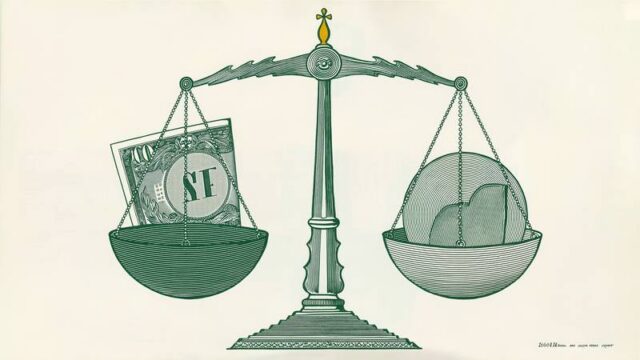
SoFi Bridges Traditional Banking and On-Chain Finance
TREE NEWS reports: SoFi Technologies has launched SoFi Earn (SOFIE), a tokenized deposit product offered through SoFi Bank that pays a variable 4.4% annual percentage yield and is fully FDIC-insured. The product is being rolled out to SoFi Crypto members through November, marking one of the first retail-facing tokenized deposit offerings from a federally regulated bank.
When customers wish to spend their funds or move them on-chain, SoFi automatically converts SOFIE into SoFi USD, the bank’s proprietary stablecoin. This dual-token structure allows users to earn yield on a bank deposit while retaining the ability to transact in digital asset markets.
Why This Matters for RWA Tokenization
Tokenized deposits represent a distinct category within the real-world asset (RWA) landscape. Unlike stablecoins, which are typically issued by non-bank entities and backed by reserves, tokenized deposits are direct liabilities of a bank and carry deposit insurance. SoFi’s offering combines the yield and safety of a traditional savings account with the programmability and composability of blockchain assets.
The 4.4% yield is particularly competitive in the current rate environment, where many DeFi lending protocols offer similar or lower returns with significantly higher risk. For retail investors, SOFIE provides a regulated, insured alternative to yield farming and stablecoin lending.
Institutional Implications
- Bank-grade on-chain money: SoFi’s move signals that regulated banks are increasingly willing to issue tokenized liabilities directly to consumers, bypassing the need for third-party stablecoin issuers.
- Interoperability: The automatic conversion to SoFi USD for on-chain spending creates a seamless bridge between deposit accounts and crypto markets, potentially increasing liquidity and user engagement.
- Competitive pressure: Other fintech banks and traditional institutions may follow suit, accelerating the tokenization of core banking products.
Forward-Looking Perspective
SoFi’s launch is a significant step toward mainstream adoption of tokenized deposits. If successful, it could pave the way for broader use cases, including tokenized money market funds, tokenized certificates of deposit, and even tokenized bank-issued bonds. However, regulatory clarity remains a key variable. The FDIC’s stance on tokenized deposits and the treatment of bank-issued stablecoins will shape how quickly other institutions follow.
For now, SoFi Earn offers a compelling proof point: tokenized deposits can offer competitive yields, insurance protection, and on-chain utility—all within a regulated banking framework. As the RWA sector matures, products like SOFIE may become the template for how traditional finance integrates with decentralized ecosystems.