Trump Touts Energy Windfall as U.S. Gas Prices Hit Record High
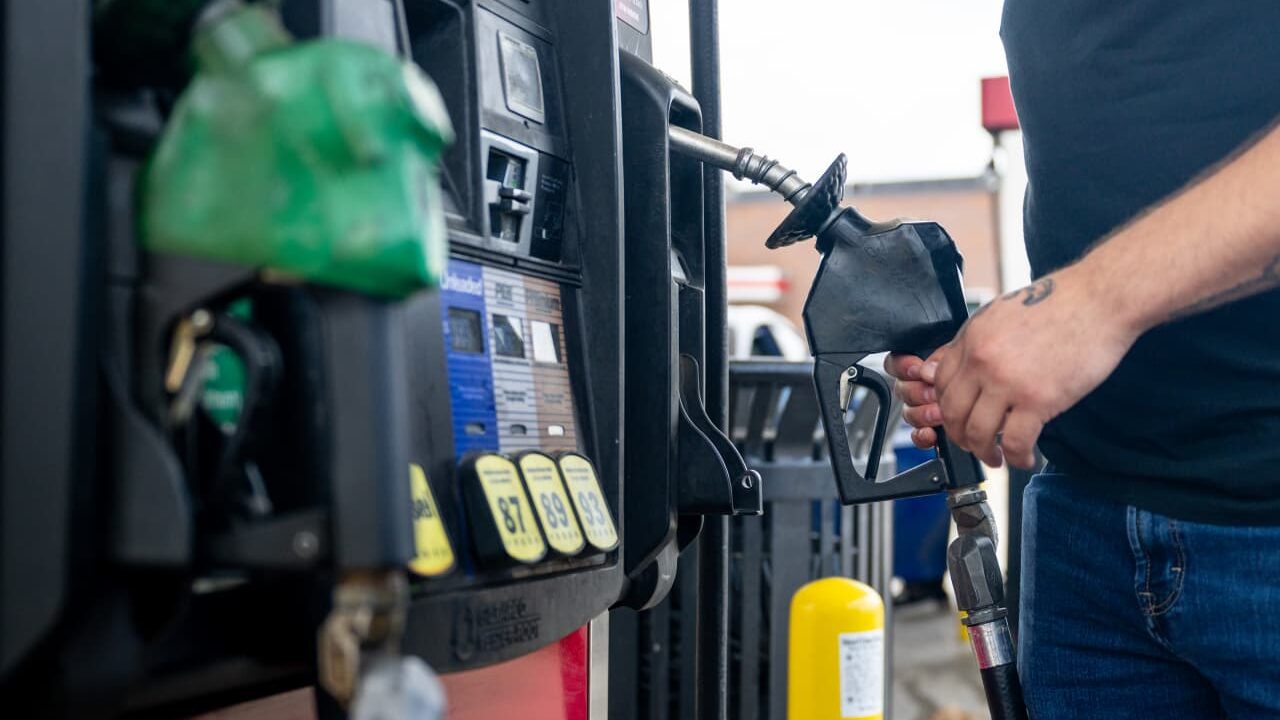
TREE NEWS reports: President Donald Trump is campaigning across the country ahead of next week’s midterm elections, repeatedly highlighting the fortunes U.S. energy companies have amassed during the conflict with Iran. Yet American consumers are simultaneously facing the most expensive year for gasoline prices on record, creating a stark contrast that could shape voter sentiment and market dynamics in the weeks ahead.
What Happened
During a series of rallies aimed at bolstering Republican candidates, Trump has pointed to the strong profits of U.S. oil and gas producers as evidence of his administration’s energy dominance agenda. However, the average price of gasoline has surged to an all-time high for the year, driven by geopolitical tensions, supply constraints, and robust demand. The disconnect between corporate gains and household pain is emerging as a central theme in the final stretch of the campaign.
Market Implications
The energy sector has been a standout performer, with integrated majors and shale producers benefiting from elevated crude prices. Investors have flocked to energy stocks as a hedge against inflation and geopolitical risk. But the persistent rise in retail fuel costs threatens to erode consumer spending power, potentially weighing on discretionary sectors and overall economic growth.
- Stocks: Energy equities may continue to outperform in the near term, but a sustained drag on consumer spending could pressure retail and travel stocks. Broader indices face headwinds if inflation expectations climb.
- Bonds: Rising energy costs feed into inflation measures, complicating the Federal Reserve’s rate path. Treasury yields could remain elevated, with the curve steepening if inflation proves sticky.
- Crypto: Digital assets have shown mixed reactions to geopolitical turmoil. Bitcoin may see safe-haven demand, but risk-off sentiment could cap gains. Regulatory clarity remains a wildcard.
- Commodities: Crude oil and refined products are likely to stay volatile, with upside risk if supply disruptions persist. Natural gas and gasoline futures may see further strength.
- Currencies: The dollar may benefit from safe-haven flows and higher yields, though political uncertainty could introduce volatility. Commodity-linked currencies like the Canadian dollar may find support from energy prices.
Why It Matters for Investors
The juxtaposition of energy company profits and consumer pain is more than a political narrative; it has real economic consequences. If gasoline prices remain elevated, households may cut back on other spending, slowing GDP growth and potentially forcing the Fed to reassess its tightening cycle. For investors, this environment favors a defensive tilt within equities, with energy and commodities offering inflation protection. However, the risk of policy responses—such as releases from strategic reserves or pressure on producers—could cap further upside. Additionally, the midterm elections could introduce fiscal policy shifts, particularly if Democrats gain ground, impacting energy regulations and taxes. Staying diversified and monitoring inflation data and geopolitical developments will be crucial in navigating the coming months.
Key Takeaways
- Energy stocks may continue to benefit from high prices, but consumer-sensitive sectors face headwinds.
- Bond markets are vulnerable to inflation surprises, keeping yields elevated.
- Crypto and commodities offer hedges but carry volatility and regulatory risks.
- Currency markets may see safe-haven flows into the dollar, with commodity currencies supported by energy.
- Political outcomes could reshape energy policy and fiscal spending, adding another layer of uncertainty.