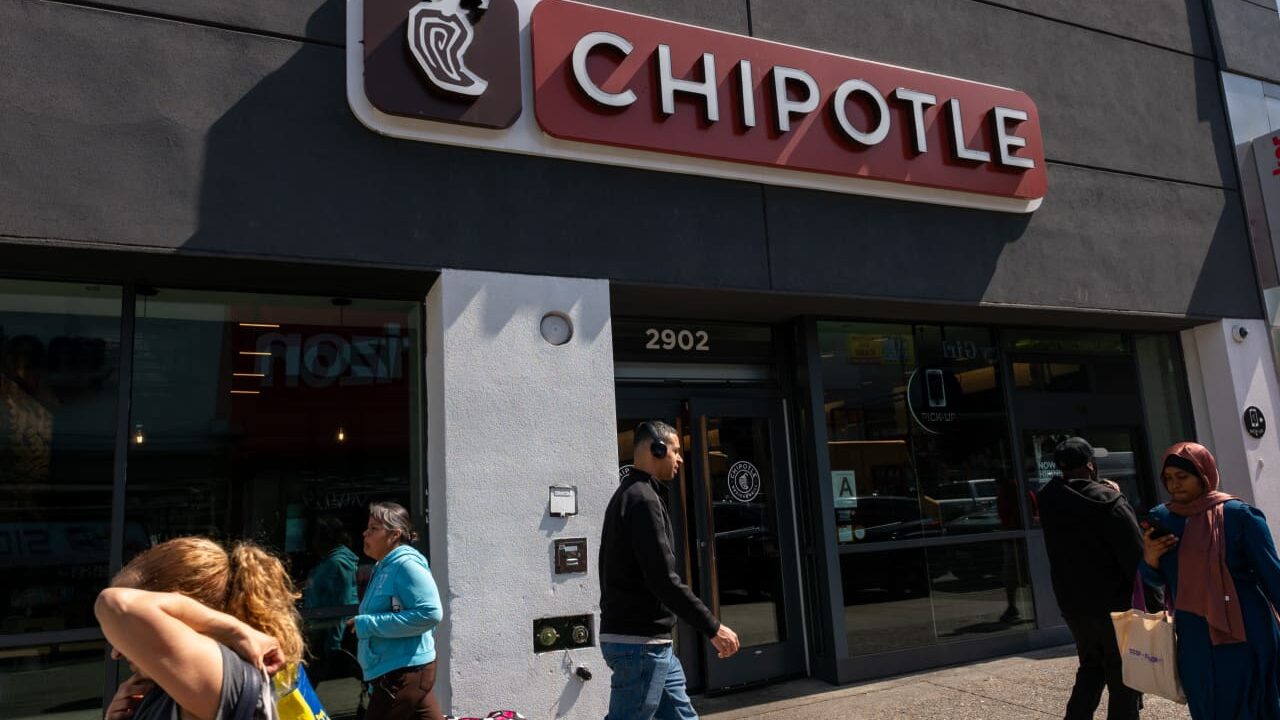
Chipotle’s Income Shift: Lower-Income Diners Now Outnumber Higher-Income Ones
TREE NEWS reports: Chipotle Mexican Grill has reported a notable shift in its customer base: for the first time, lower-income diners now outnumber higher-income ones. The fast-casual chain attributed the change to menu-price increases that have helped drive results, while also flagging rising beef costs and “higher protein usage” as consumers seek ways to pack more protein into their diets.
The disclosure, made during the company’s latest earnings discussion, offers a window into how inflation and changing consumer habits are reshaping the restaurant industry. Chipotle has long positioned itself as a slightly premium fast-casual option, but its recent price hikes appear to have attracted a more value-conscious crowd even as they alienate some higher-income customers.
What Happened
Chipotle’s management noted that lower-income customers now represent a larger share of its diner mix than higher-income customers. This reversal comes after a series of menu-price increases that the company says have helped offset cost pressures. However, the chain also highlighted rising beef costs and increased protein consumption as factors affecting its margins.
The shift suggests that Chipotle’s value proposition—relatively healthy, customizable meals at a moderate price point—resonates more with budget-conscious consumers, especially as inflation erodes purchasing power. At the same time, higher-income diners may be trading down from more expensive restaurants or cutting back on discretionary spending.
Market Implications
For investors, the news carries several implications:
- Consumer Spending Patterns: The shift indicates that lower-income consumers are still spending on affordable treats, while higher-income households may be tightening their belts. This could signal a broader bifurcation in consumer spending, with implications for retailers and restaurants across the spectrum.
- Pricing Power: Chipotle’s ability to raise prices without losing lower-income customers suggests some pricing power, but the company must balance this against the risk of alienating its traditional higher-income base. Rising beef costs could pressure margins if price increases outpace cost inflation.
- Protein Trend: The mention of “higher protein usage” reflects a growing consumer focus on protein-rich diets, which could benefit protein suppliers and related food companies. Chipotle may need to adjust its menu and supply chain to cater to this trend.
- Stock Impact: Chipotle’s stock could see volatility as investors digest the mixed signals. While increased traffic from lower-income diners is positive for volume, the shift in mix and cost pressures could weigh on margins. Competitors in the fast-casual space may also be affected as they vie for similar customers.
Why This Matters for Investors
The changing income mix at Chipotle is a microcosm of broader economic trends. It highlights how inflation and wage dynamics are influencing consumer behavior, with lower-income households potentially benefiting from strong labor markets and wage gains, while higher-income households may be more sensitive to asset price declines and economic uncertainty.
For investors in consumer discretionary stocks, the key takeaway is to monitor not just overall spending but also the composition of demand. Companies that can appeal to a broad range of income levels while managing costs effectively are likely to outperform. Chipotle’s experience also underscores the importance of pricing strategy in an inflationary environment—raising prices too aggressively could drive away higher-income customers, while not raising them enough could hurt margins.
Additionally, the protein trend is worth watching. As consumers prioritize protein, food companies that can capitalize on this shift—through product innovation or supply chain efficiencies—may find growth opportunities.
Overall, Chipotle’s update provides valuable insights into consumer health and spending priorities, making it a bellwether for the restaurant sector and the broader consumer economy.