Connecticut Sues Kalshi Over Sports Event Contracts in Escalating State-Federal Regulatory Battle
TREE NEWS reports: News Summary: Connecticut has filed a lawsuit against Kalshi, a regulated prediction market platform, over its sports event contracts. Kalshi’s Head of Litigation, Jovy Dedaj, called the move ‘arbitrary and inconsistent enforcement,’ noting that other platforms offering similar products continue to operate in the state without issue. This is the latest development in a months-long legal feud between the company and state regulators.
Industry Analysis: A Regulatory Patchwork Threatens Innovation
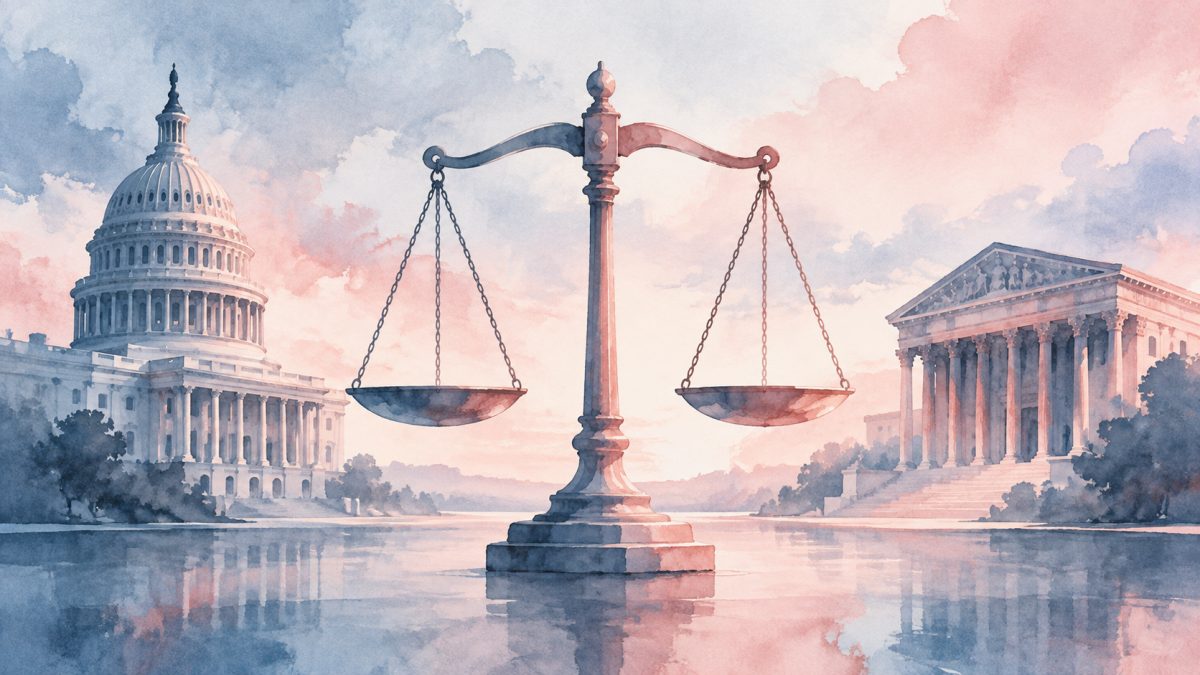
The Connecticut action underscores a growing tension between state-level gambling regulators and the federal Commodity Futures Trading Commission (CFTC), which has approved Kalshi’s event contracts as derivatives. Kalshi argues that its products are regulated futures, not gambling, and that states lack jurisdiction. However, several states have taken the opposite view, claiming these contracts constitute unlawful wagering.
Legal experts say the case could set a precedent for how prediction markets are treated across the U.S. ‘This is not just about sports betting,’ said a regulatory attorney familiar with the matter. ‘If states can unilaterally block CFTC-approved products, it creates a fragmented market where compliance becomes nearly impossible for national platforms.’
Kalshi’s frustration is compounded by the perceived inconsistency: while Connecticut targets Kalshi, other platforms like Polymarket (which uses crypto-based infrastructure) have been allowed to operate, albeit with their own restrictions. This disparity raises questions about whether enforcement is driven by legal merit or political pressure.
Forward-Looking Perspective: A Test for the CFTC’s Authority
The lawsuit could force a federal court to clarify the boundary between state gambling laws and federal commodities regulation. A ruling in Kalshi’s favor would likely bolster the CFTC’s oversight role and encourage more platforms to seek federal approval. Conversely, a win for Connecticut might prompt other states to follow suit, potentially chilling the growth of prediction markets in the U.S.
For the broader crypto and DeFi ecosystem, this case is a bellwether. Many decentralized prediction markets and event derivatives rely on similar regulatory clarity. If states can override federal approvals, it may push these projects offshore or into decentralized structures that are harder to regulate.
As the legal battle continues, industry observers will watch closely for any signals from the CFTC or Congress about a unified federal framework for event contracts. Until then, platforms like Kalshi face an uncertain patchwork of state rules—an environment that could stifle innovation and drive activity to less regulated venues.