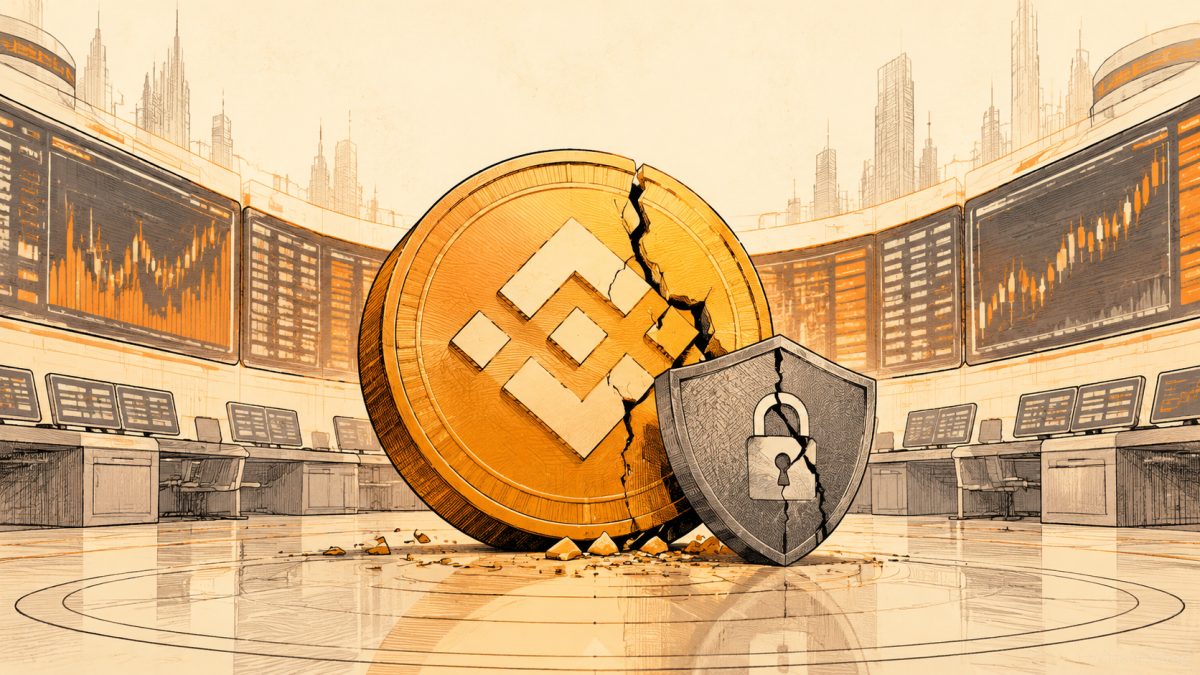
Binance’s $6.3B Hack: DevOps Breach Exposes Exchange Security Gaps
TREE NEWS reports: A preliminary investigation into the $6.3 billion hack of Binance has traced the breach to a compromised DevOps laptop. The attack, one of the largest in crypto history, has led to approximately $3 billion in assets being frozen, with Binance’s SAFU (Secure Asset Fund for Users) insurance fund covering the remaining losses. The incident underscores the growing sophistication of cyberattacks targeting centralized exchanges and the critical importance of operational security.
Industry Analysis and Implications
The breach highlights a vulnerable attack vector: the compromise of a single employee’s device can cascade into a massive security failure. DevOps engineers often have elevated privileges and access to sensitive systems, making them prime targets for social engineering and malware. While Binance’s SAFU fund provided a crucial backstop, the event raises questions about the adequacy of exchange security protocols and the broader risks inherent in centralized custody.
Regulators are likely to seize on the incident. The Commodity Futures Trading Commission (CFTC) has already emphasized the need for stronger oversight of offshore exchanges and the crypto market at large, noting that gaps in supervision leave investors exposed. The CFTC’s remarks also touched on the emerging challenges posed by AI and crypto assets, signaling a more proactive regulatory stance.
For the industry, the hack reinforces the case for decentralized alternatives and improved security standards. Exchanges may face increased pressure to adopt multi-party computation (MPC) wallets, hardware security modules, and stricter access controls. Insurance funds like SAFU are essential but not a substitute for robust preventive measures.
Forward-Looking Perspective
As crypto markets mature, security will remain a top priority. The Binance incident is a wake-up call for exchanges to invest heavily in cybersecurity and for regulators to develop clearer frameworks for offshore platforms. Investors should diversify custody solutions and remain vigilant about platform risks. The coming months will likely see heightened scrutiny and perhaps new rules aimed at preventing similar breaches, shaping a more resilient ecosystem.