ICP Brings Claude On-Chain
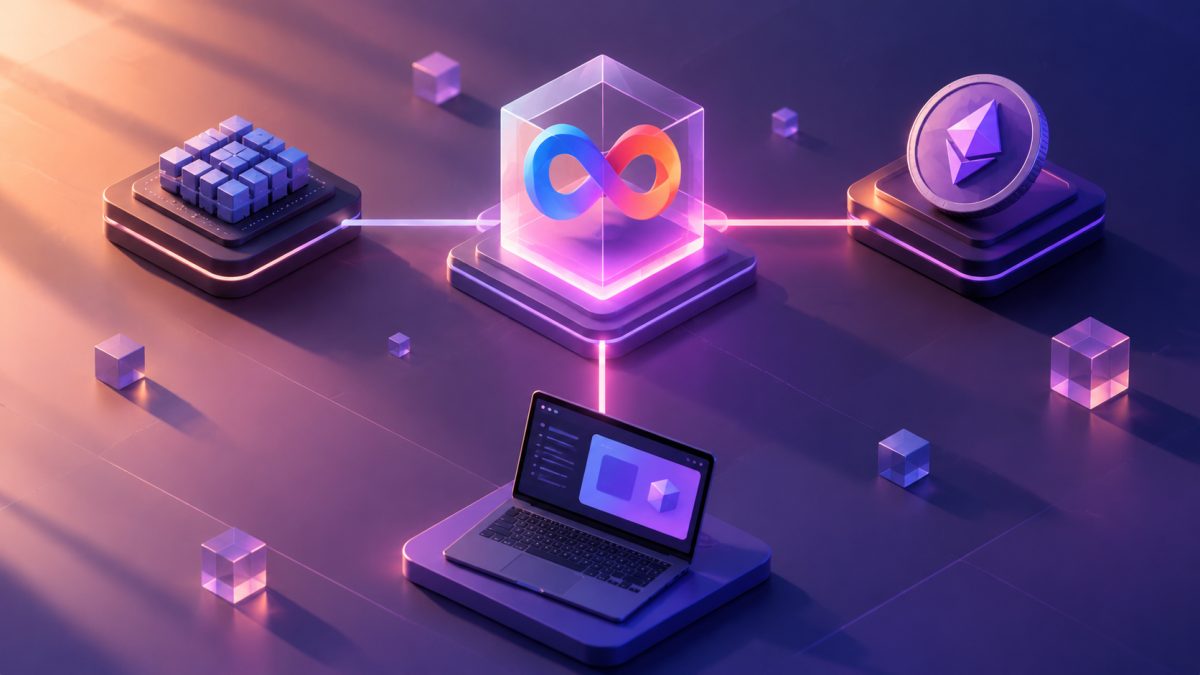
TREE NEWS reports: The DFINITY Foundation announced that the Internet Computer (ICP) is now available as a connector within Anthropic’s Claude AI assistant. Users can search for and connect to ICP directly in Claude, then build cloud engines, launch customer portals, and continue development—all within the same conversation.
The integration is built on the Model Context Protocol (MCP), an open standard that lets AI assistants securely interact with external tools and data sources. Through Internet Identity, ICP’s native authentication system, users can verify their identity, query on-chain records, manage accounts, and interact with ICP applications directly from the chat interface.
Why This Matters for AI and Crypto
This is one of the first mainstream integrations of a blockchain network with a leading AI assistant, and it signals a broader convergence between artificial intelligence and decentralized infrastructure. By exposing ICP’s compute and storage capabilities to Claude, DFINITY is positioning the Internet Computer as a backend for AI-driven development—where natural language becomes the primary interface for deploying and managing applications.
The use of MCP is particularly notable. Rather than building a proprietary plugin, ICP is adopting an open protocol that Anthropic has been promoting to standardize how AI models connect to external systems. This could make it easier for other blockchains to follow suit, creating a more interoperable ecosystem where AI agents can transact across multiple networks.
Implications for Developers and the Broader Market
- Lowering barriers to entry: Developers can now prototype and deploy applications without leaving the Claude interface, potentially accelerating innovation on ICP.
- AI as a gateway to Web3: The integration could introduce new users to blockchain through a familiar AI tool, reducing friction in onboarding.
- Security and identity: Internet Identity provides a passwordless authentication layer, which is crucial for managing on-chain assets and permissions in an AI-driven workflow.
- Competitive landscape: Other smart contract platforms may need to develop similar AI connectors to stay relevant as AI assistants become a primary interface for software development.
However, challenges remain. AI-generated code and on-chain interactions raise questions about security, auditability, and liability. Developers will need to ensure that applications built through Claude are robust and secure, and that users understand the risks of delegating complex tasks to an AI assistant.
Forward-Looking Perspective
The ICP-Claude integration is a glimpse into a future where AI and blockchain are not separate silos but integrated tools. As AI assistants become more capable, they could evolve into autonomous agents that manage on-chain assets, execute smart contracts, and interact with DeFi protocols on behalf of users. For ICP, this partnership could drive adoption and showcase its technical capabilities, but success will depend on developer uptake and the ability to deliver real-world use cases. If it works, expect other chains to race to build similar MCP connectors—turning AI assistants into the new front door for Web3.