Musk: Orbital AI Will Surpass Data Centers as Colossus Leads
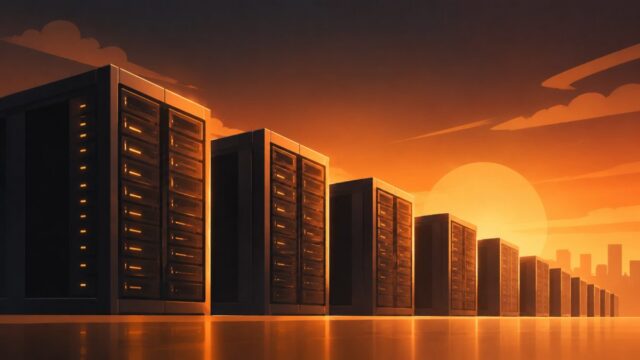
TREE NEWS reports: Elon Musk said on Wednesday that space-based artificial intelligence will eventually eclipse terrestrial data centers, pointing to the performance of his xAI startup’s Colossus supercomputer as evidence that the company can overcome infrastructure constraints on Earth. Speaking at an industry event, Musk argued that orbital AI—running compute on satellites and space stations powered by continuous solar energy—will become the most cost-effective way to train and deploy large models within the next decade.
Musk’s comments come as xAI races to expand Colossus, which he described as the most powerful AI training cluster in the world. The company has reportedly been adding tens of thousands of Nvidia GPUs to the facility in Memphis, Tennessee, and is exploring partnerships to secure additional power and cooling capacity. Musk framed the orbital push as a long-term solution to the energy and land bottlenecks that threaten to slow AI progress on the ground.
Why the claim matters
The assertion is bold and speculative, but it lands at a moment when investors are intensely focused on the physical limits of AI infrastructure. Data centers already consume a rapidly growing share of electricity in the U.S. and Europe, and grid operators have warned that demand from AI training could outstrip supply. If orbital compute becomes viable, it would reshape the economics of the AI supply chain—from chipmakers and power producers to satellite operators and launch providers.
Market implications
Stocks: Musk’s remarks could provide a tailwind for companies tied to space infrastructure and satellite communications, including launch providers and component suppliers. The more immediate effect, however, is likely to reinforce the narrative around AI capex. Nvidia and other semiconductor firms remain the primary beneficiaries of any acceleration in AI training demand, while power utilities and cooling-equipment makers could see renewed interest as the terrestrial buildout continues.
Bonds and macro: The story is unlikely to move rates directly, but it adds to the debate about long-term productivity and energy demand. If AI infrastructure spending stays elevated, it could support capital expenditure growth and, eventually, productivity gains—factors that matter for inflation and real yields over time.
Crypto: Musk’s comments could resonate with decentralized compute and GPU networks that market themselves as alternatives to centralized data centers. Tokens tied to decentralized physical infrastructure (DePIN) and on-chain AI agents may see sentiment-driven moves, though fundamental links remain tenuous. Investors should treat such reactions as speculative rather than as validation of any particular protocol.
Commodities: Orbital AI would require significant launch capacity and materials, potentially supporting demand for aerospace-grade metals and energy. In the near term, the more relevant commodity link is electricity and natural gas, as data center demand continues to underpin power prices.
Key takeaways for investors
- Musk’s orbital AI vision is a long-term, high-risk thesis, but it highlights real constraints—power, land, and cooling—that are already shaping AI infrastructure investment.
- Near-term market impact is likely to be sentiment-driven, favoring AI hardware and space-related equities, while decentralized compute tokens may see speculative interest.
- Watch for concrete milestones: power contracts, GPU deployments, and any regulatory or technical progress on space-based compute.
- The broader theme—AI’s insatiable demand for energy and infrastructure—remains one of the most important investment narratives of the decade.