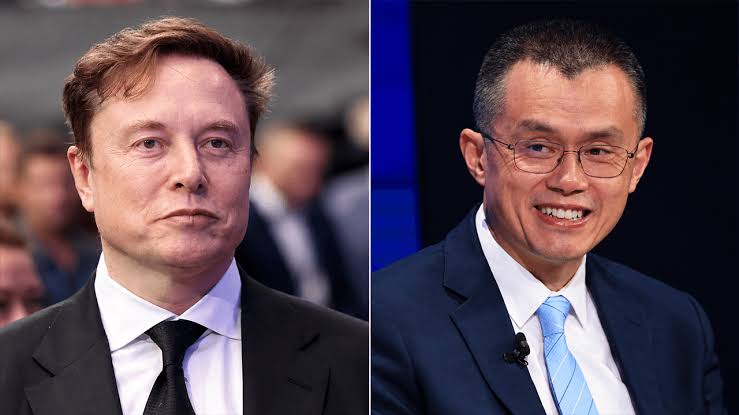
Binance’s $6.3B North Korea Hack: Musk Mocks CZ, Xu Calls for Industry Defense
The cryptocurrency industry is reeling after the FBI confirmed that the $6.3 billion theft from Binance was carried out by TraderTraitor, a North Korean state-sponsored hacking group. The revelation has sparked a public spat between Elon Musk and Binance founder Changpeng Zhao (CZ), while OKX founder Star Xu has called for unprecedented industry-wide cooperation to combat such threats.
The Heist and the Blame Game
The breach, one of the largest in crypto history, saw attackers exploit vulnerabilities in Binance’s systems to siphon billions in digital assets. The FBI’s attribution to TraderTraitor—also known as Lazarus Group—confirms long-held suspicions that North Korea is using crypto theft as a key source of foreign currency. Musk, never one to shy from controversy, mocked CZ on social media, questioning Binance’s security practices. CZ fired back, defending his exchange’s efforts and pointing to the sophisticated nature of state-backed cyberattacks.
While the exchange has not disclosed full details, on-chain analysts have traced some of the stolen funds through mixers and cross-chain bridges, typical of North Korean laundering tactics. The incident underscores the growing threat of nation-state actors in the crypto space.
Industry Analysis: A Wake-Up Call
The scale of the Binance hack—$6.3 billion—dwarfs previous exchange breaches and highlights systemic vulnerabilities. North Korea’s TraderTraitor group has a long history of targeting crypto platforms, using phishing, malware, and social engineering to compromise exchanges, DeFi protocols, and individual wallets. The stolen funds are believed to finance the regime’s weapons programs, making this not just a financial crime but a national security issue.
Star Xu’s proposal for a united defense front is gaining traction. He suggests creating a shared threat intelligence network where exchanges, blockchain analytics firms, and law enforcement can collaborate in real-time to freeze stolen assets and identify attackers. Such cooperation could include standardized security protocols, joint penetration testing, and rapid response mechanisms. However, challenges remain: exchanges are competitors, and sharing sensitive information may be difficult. Regulatory fragmentation across jurisdictions further complicates coordinated action.
Forward-Looking Perspective
The Binance hack may catalyze a new era of industry collaboration. As North Korean hackers grow more sophisticated, exchanges must invest heavily in cybersecurity, including AI-driven anomaly detection and zero-trust architectures. Regulators are likely to tighten oversight, potentially mandating stricter security audits and information-sharing agreements. For investors, the incident is a stark reminder of counterparty risk in centralized platforms, potentially accelerating interest in decentralized alternatives and self-custody solutions.
Ultimately, the crypto industry’s response to this attack will define its resilience. If exchanges can set aside rivalries and form a united front, they may deter future state-sponsored attacks. If not, the cycle of hacks and mistrust will continue, undermining confidence in the entire ecosystem.