Russian Programmer Kidnapped for 10.4 BTC After Flaunting Crypto Wealth on Social Media
TREE NEWS reports: A 22-year-old programmer in Ivanovo, Russia, was abducted and beaten for roughly five hours by a gang who forced him to transfer 10.4 BTC—worth approximately $280,000 at current prices—after he showcased luxury cars and overseas trips on social media. Five suspects have been detained in connection with the September 6 attack, which authorities say was meticulously planned after the victim’s online posts revealed his crypto holdings.
The case underscores a growing trend of physical violence targeting cryptocurrency holders, a phenomenon that has intensified as digital asset values have risen and public displays of wealth have become easier to track. Unlike traditional bank accounts, crypto wallets can be drained instantly and irreversibly once an attacker obtains private keys or coerces a transfer—making holders attractive targets for extortion.
From Social Media Flex to Kidnapping Plot
The victim’s social media profile reportedly featured a Ferrari, a BMW, and frequent international travel—signals that he had accumulated significant wealth at a young age. Investigators believe the suspects used these posts to identify and surveil him before the kidnapping. The assailants allegedly transported him to a garage, where they beat him and threatened him until he surrendered access to his Bitcoin.
Such “wrench attacks”—named for the tools sometimes used to coerce victims—have become a recognized risk in the crypto ecosystem. High-profile incidents in recent years have involved crypto influencers, executives, and even family members of industry figures. The pattern is consistent: attackers exploit the combination of pseudonymous on-chain wealth and public social media footprints to locate and pressure victims.
Operational Security Remains the Weakest Link
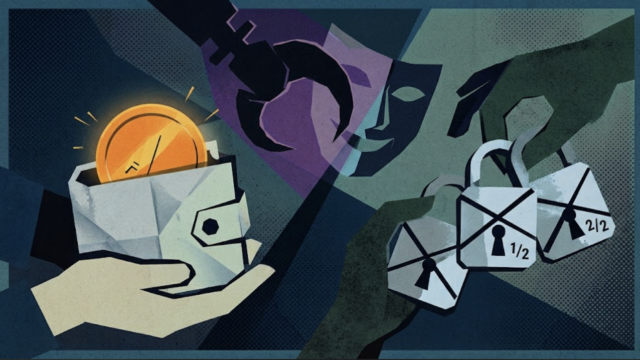
Security experts note that the attack did not exploit a flaw in Bitcoin or any blockchain protocol. Instead, it targeted the human element—poor operational security and conspicuous consumption. For crypto holders, the incident reinforces longstanding advice: avoid publicly linking real-world identity to digital asset wealth, use multisignature wallets with time locks, and consider decoy wallets for plausible deniability under duress.
Law enforcement agencies in several countries have begun dedicating resources to crypto-related violent crime, but jurisdictional challenges and the cross-border nature of some gangs complicate prosecution. In Russia, where crypto ownership is legal but poorly regulated, victims may be reluctant to report incidents for fear of tax or legal scrutiny.
What This Means for the Broader Crypto Market
While a single kidnapping is unlikely to move markets, the cumulative effect of such incidents could influence how wealthy individuals and institutions store and display crypto assets. Demand for custody solutions, privacy-preserving tools, and personal security services may rise. Exchanges and wallet providers could face pressure to offer features that help users avoid becoming targets—such as transaction delays, withdrawal limits, and duress passwords.
As Bitcoin and other digital assets continue to appreciate, the incentive for physical attacks may grow. The industry’s response will need to extend beyond code audits and smart contract security to encompass the physical safety of holders. Education, insurance products, and better coordination with law enforcement are likely to become part of the maturing crypto ecosystem’s risk-management toolkit.
The Ivanovo case serves as a stark reminder that in crypto, wealth is only as secure as the person holding the keys—and sometimes, that person is the weakest link.