Tether’s $130B War Chest: Beyond Stablecoins to a Six-Layer Tech Stack
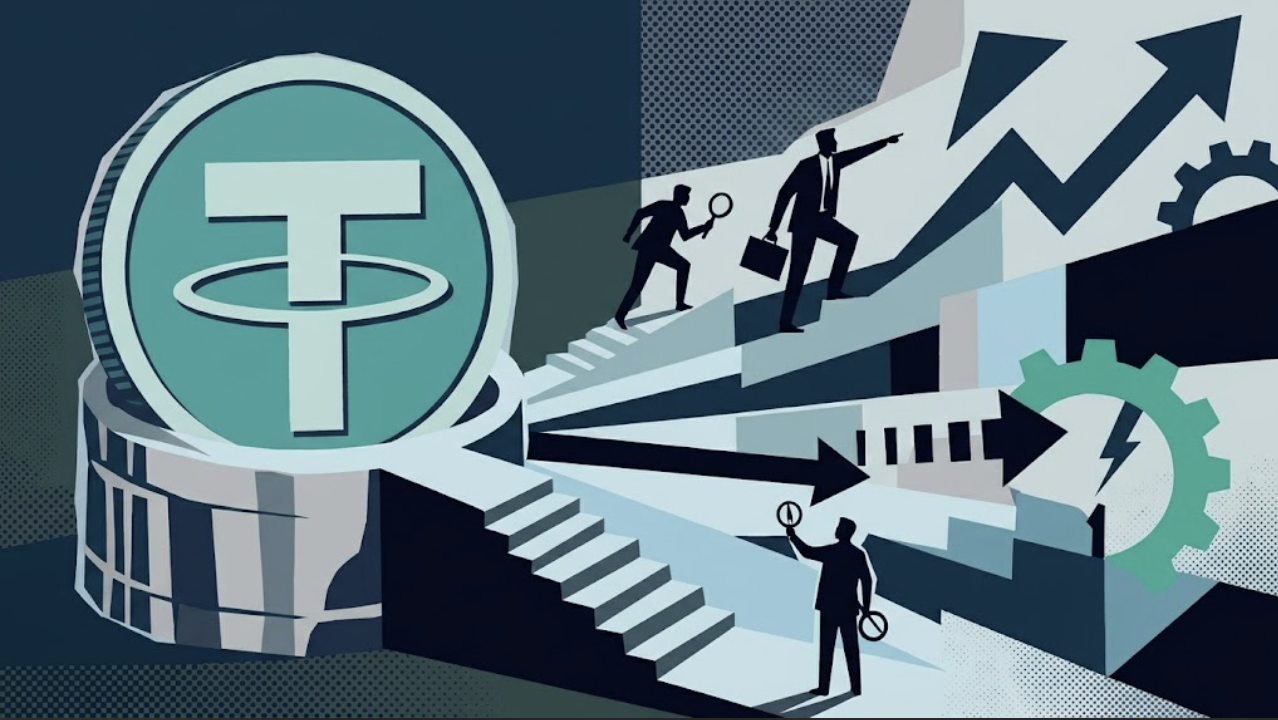
At the Plan ₿ Forum in Lugano, Tether CEO Paolo Ardoino outlined a vision that goes far beyond stablecoins. Drawing on Isaac Asimov’s Foundation series, he proposed a six-layer open-source “independent tech stack” spanning energy, mining, communications, finance, and artificial intelligence. This ambitious blueprint is backed by a formidable reserve: approximately 150,000 bitcoin, $132.4 billion in U.S. Treasuries, and around 150 tonnes of gold. Yet the timing is notable: in 2026, USDT supply growth has essentially stalled.
The Reserves Behind the Vision
Tether’s balance sheet has become one of the most closely watched in crypto. The $132.4 billion in Treasuries alone would rank it among the largest holders of U.S. government debt globally—comparable to some sovereign nations. The bitcoin and gold holdings add a layer of hard-asset diversification that insulates the company from any single market’s volatility. This war chest provides not only credibility but also the capital to fund Ardoino’s expansive roadmap.
Why the Pivot Now?
The stagnation in USDT supply is a critical signal. For years, Tether’s growth was a proxy for crypto adoption, particularly in emerging markets where dollar access is scarce. But with supply plateauing, the company faces a strategic inflection point. Rather than relying solely on seigniorage from stablecoin issuance, Tether appears to be positioning itself as a diversified technology conglomerate. The six-layer stack—if realized—would touch everything from renewable energy to AI compute, creating multiple revenue streams and reducing dependence on the stablecoin business cycle.
Industry Implications
Tether’s move mirrors a broader trend among crypto giants: the transition from single-product protocols to multi-faceted ecosystems. But Tether’s approach is distinct in its emphasis on open-source infrastructure and independence from traditional finance. If successful, it could challenge the dominance of Big Tech in AI and communications, while providing a sovereign-grade alternative to the dollar system for emerging markets. However, execution risk is high. Energy and mining projects require massive capital expenditure and regulatory navigation, while AI is a fiercely competitive field dominated by well-funded incumbents.
Forward-Looking Perspective
The coming years will test whether Tether can transform its financial reserves into operational success across such disparate domains. Watch for concrete milestones: energy partnerships, mining capacity, and any AI product launches. If Ardoino’s Foundation-inspired vision materializes, Tether could evolve from a stablecoin issuer into a decentralized infrastructure powerhouse—a development with profound implications for global finance and technology.