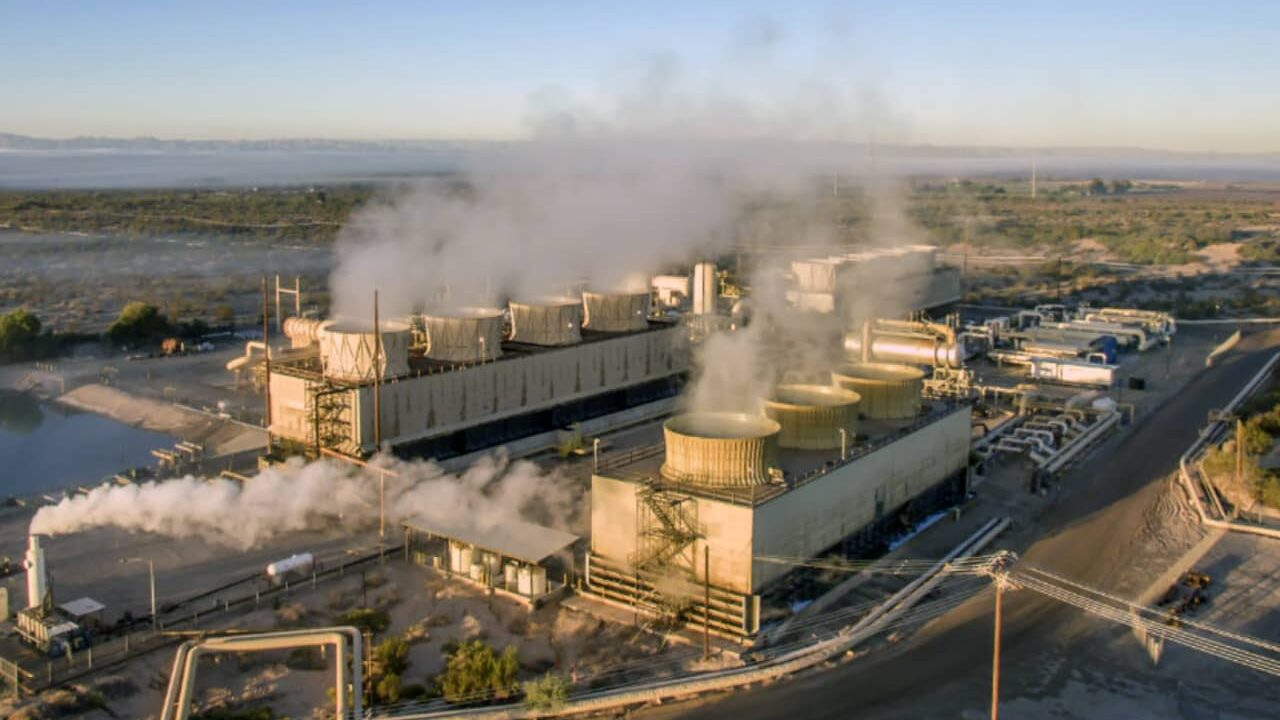
Geothermal: The Overlooked Solution to AI’s Power Crunch
TREE NEWS reports: As artificial intelligence’s insatiable appetite for electricity strains power grids, Morgan Stanley has identified geothermal energy as a potential game-changer. In a recent research note, the investment bank argued that geothermal technology is in the early stages of its own shale revolution, with two stocks positioned as prime plays: Ormat Technologies (ORA) and Fervo Energy (private, but watch for potential IPO). The analysis suggests that advances in drilling and heat extraction could unlock vast, clean, baseload power—exactly what data centers need.
Why Geothermal, Why Now?
Data centers consumed an estimated 460 terawatt-hours (TWh) of electricity in 2022, and with the AI boom, that figure could double by 2026. This surge is colliding with decarbonization goals and grid constraints, creating a perfect storm. Geothermal, which taps heat from the Earth’s core, offers 24/7 power generation, unlike intermittent solar and wind. Morgan Stanley notes that enhanced geothermal systems (EGS)—which use horizontal drilling and hydraulic fracturing techniques from the shale industry—can be deployed almost anywhere, dramatically expanding the resource base.
The bank’s analysts highlight that EGS costs have fallen sharply, and with further innovation, geothermal could become cost-competitive with natural gas and renewables-plus-storage. They estimate that the global geothermal market could grow to $100 billion by 2050, from about $20 billion today.
Market Implications: Stocks, Bonds, Crypto, Commodities, Currencies
Stocks: Ormat Technologies, a leader in geothermal power generation, stands to benefit from increased demand and technological tailwinds. The company has a strong project pipeline and expertise in binary cycle plants. Fervo Energy, a private startup backed by Bill Gates, is pioneering EGS and could be a candidate for an IPO, offering venture-style exposure. Other companies in drilling services and geothermal equipment could also see upside.
Bonds: The growth of geothermal projects may spur green bond issuance and infrastructure financing. Utilities and developers might tap debt markets to fund capital-intensive projects, potentially increasing supply of ESG-labeled bonds.
Crypto: The crypto mining industry, often criticized for its energy use, could benefit from abundant geothermal power. Miners are already exploring geothermal in places like El Salvador and Iceland. If geothermal becomes more accessible, it could improve crypto’s environmental profile and reduce costs for miners, potentially boosting the sector’s viability.
Commodities: Increased geothermal development would boost demand for drilling equipment, specialized metals (e.g., titanium, high-grade steel), and possibly cement. However, it could reduce long-term demand for natural gas in power generation, pressuring prices.
Currencies: The dollar’s role is indirect; however, if the U.S. leads in geothermal technology, it could strengthen energy independence and trade balances, mildly supporting the dollar. Conversely, countries with high geothermal potential (e.g., Indonesia, Kenya) might attract investment, affecting their currencies.
Investor Takeaways
- Early-stage opportunity: Geothermal is where shale was two decades ago—high risk, high reward. Investors should consider exposure via established players like Ormat and watch for Fervo’s potential IPO.
- AI’s power demand is a multi-year trend: Data center electricity needs will only grow, and geothermal offers a clean, reliable solution. This theme could outperform as AI adoption accelerates.
- Technological breakthroughs are key: Cost reductions in drilling and heat extraction are critical. Keep an eye on pilot projects and government incentives (e.g., the U.S. Inflation Reduction Act’s geothermal provisions).
- Diversify across the value chain: From drilling services to utilities, the geothermal ecosystem offers multiple entry points.
While geothermal faces challenges—permitting, initial capital costs, and geological risks—the potential is immense. As Morgan Stanley puts it, the shale revolution transformed energy; geothermal could do the same for power, and AI might be the catalyst that makes it happen.