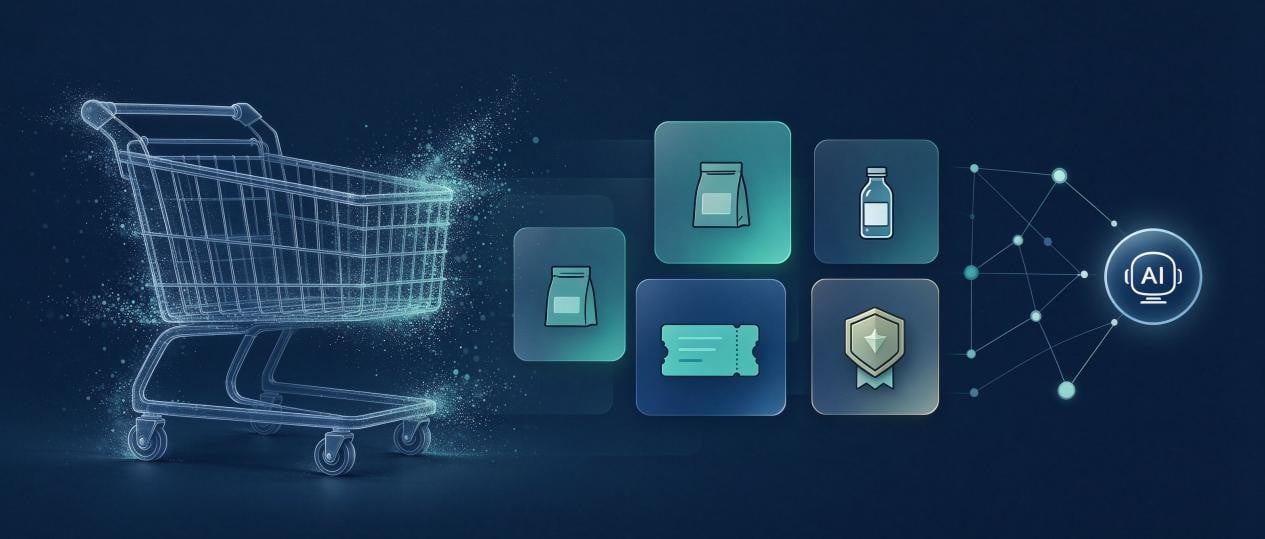
From Coffee Vouchers to Trial Classes: The Push for Standardized Entitlement Management
In the evolving landscape of real-world asset (RWA) tokenization, the focus is shifting from tangible assets to intangible consumer rights. A recent analysis highlights how disparate consumption entitlements—such as coffee pickup vouchers and experience class passes—can be unified under a single management system through standardization. This approach addresses the challenge of managing diverse goods and services by defining common fields, processes, and verification layers, while preserving the unique delivery methods of each category.
The Three Pillars of Standardization
The proposed framework rests on three key layers: information definition, process flow, and evidence verification. By standardizing data fields, businesses can ensure consistent capture of essential details like validity periods, usage conditions, and redemption channels. The process layer accommodates different delivery mechanisms—instant redemption for coffee versus scheduled booking for classes—without forcing a one-size-fits-all model. The verification layer applies risk-based evidence requirements, meaning higher-value or higher-risk entitlements demand stronger proof of ownership and usage.
Implications for RWA and DeFi
This standardization is crucial for the tokenization of consumer rights as RWAs. It enables the creation of machine-readable rules and unified operational data, which are prerequisites for on-chain representation and automated management. For DeFi protocols, standardized entitlements could become collateral or tradeable assets, unlocking new liquidity pools. Moreover, the system supports traceability and service optimization, laying the groundwork for AI assistants to query, compare, and book services within user-authorized limits—a step toward seamless integration of physical and digital commerce.
Forward-Looking Perspective
As RWA tokenization matures, the ability to standardize and digitize consumer entitlements will be a key differentiator. This approach not only improves operational efficiency but also paves the way for innovative financial products backed by real-world consumption rights. The convergence of traditional consumer rights with blockchain-based systems could redefine how value is exchanged and managed in both the physical and digital realms.