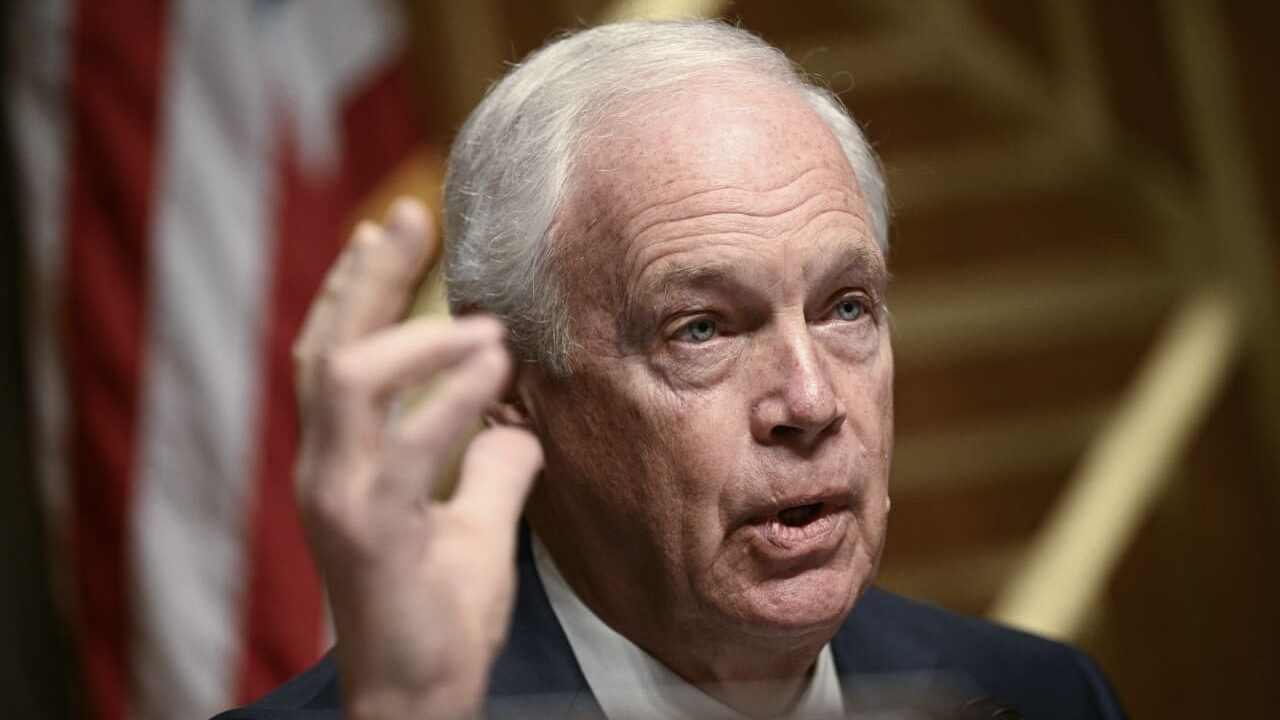
A Republican senator’s ‘Stop Scaring Seniors Act’ aims to shore up Social Security but may balloon the deficit, with wide-ranging implications for investors.
TREE NEWS reports: A new proposal from a Republican senator, dubbed the “Stop Scaring Seniors Act,” seeks to address Social Security’s funding shortfall but could add trillions of dollars to the national debt. The bill aims to prevent benefit cuts for current retirees while restructuring the program’s finances, though details remain sparse. The proposal comes as Social Security’s trust fund faces depletion within the next decade, setting the stage for a fierce political battle over how to shore up the safety net without exacerbating the federal deficit.
What the Proposal Entails
The “Stop Scaring Seniors Act” is designed to reassure older Americans that their benefits are safe, but its financing mechanism—likely involving general revenue transfers or increased borrowing—could significantly increase federal liabilities. While the exact cost is not yet scored by the Congressional Budget Office, early estimates suggest it could add trillions to the national debt over the long term. This prospect has already begun to stir concerns among fiscal hawks and bond investors, who worry about the sustainability of U.S. debt levels.
Market Implications
The potential for a massive increase in federal borrowing has broad implications across asset classes:
- Stocks: Equity markets may initially shrug off the news, but sectors sensitive to interest rates, such as utilities and real estate, could face pressure if bond yields rise. Consumer discretionary stocks might benefit if seniors feel more secure about their retirement income, boosting spending.
- Bonds: The biggest impact is likely in the Treasury market. An increase in debt issuance could push yields higher, steepening the yield curve. Investors may demand a higher term premium, raising borrowing costs for the government and corporations alike.
- Crypto: Bitcoin and other cryptocurrencies could see increased demand as a hedge against fiscal instability, though the reaction may be muted unless the proposal gains traction. The narrative of debasement could gain strength, but crypto remains a risk-on asset.
- Commodities: Gold, a traditional safe haven, may benefit from concerns over inflation and debt monetization. Industrial metals could be affected by broader economic growth expectations.
- Currencies: The U.S. dollar could weaken if investors lose confidence in fiscal discipline, though the dollar’s reserve status provides a buffer. A higher debt load might also pressure the dollar in the long run.
Why It Matters for Investors
The proposal highlights the growing fiscal challenges facing the U.S. government. With an aging population and rising healthcare costs, entitlement reform is a pressing issue that could reshape the economic landscape. For investors, the key takeaway is that fiscal policy is becoming a more significant driver of market volatility. The possibility of increased debt issuance could lead to higher interest rates, which would affect everything from mortgage rates to corporate borrowing costs. Additionally, the debate over Social Security may spill over into other areas of fiscal policy, including tax reform and spending priorities, creating uncertainty for markets.
Investors should monitor the progress of this bill and any subsequent fiscal proposals, as they could signal a shift in the U.S. fiscal trajectory. Diversification across assets and attention to duration risk in bond portfolios may be prudent. While the proposal is still in its early stages, its potential to add trillions to the national debt is a reminder that fiscal policy is a force to be reckoned with in financial markets.