Trump’s Iran Ultimatum: Geopolitical Shockwaves and Market Implications
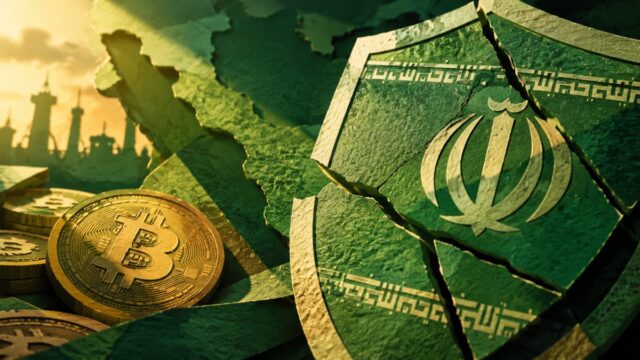
TREE NEWS reports: In a striking interview with Fox News on September 2, former President Donald Trump issued a stark warning to Iran, stating that if the nation attempts to rebuild its radar systems or commits further provocations, it will be ‘completely obliterated.’ Trump dismissed the previous nuclear agreement as ‘worthless’ and criticized Iran’s leadership as ‘crazy and stupid.’ He confirmed that the U.S. had conducted a massive strike, timed deliberately to coincide with the completion of Iran’s radar installations.
This escalation marks a significant shift in U.S.-Iran relations, with direct threats of military action and retaliation. The statement carries profound implications for global markets, particularly energy prices, safe-haven assets, and geopolitical risk assessments.
Market Reactions to Geopolitical Tensions
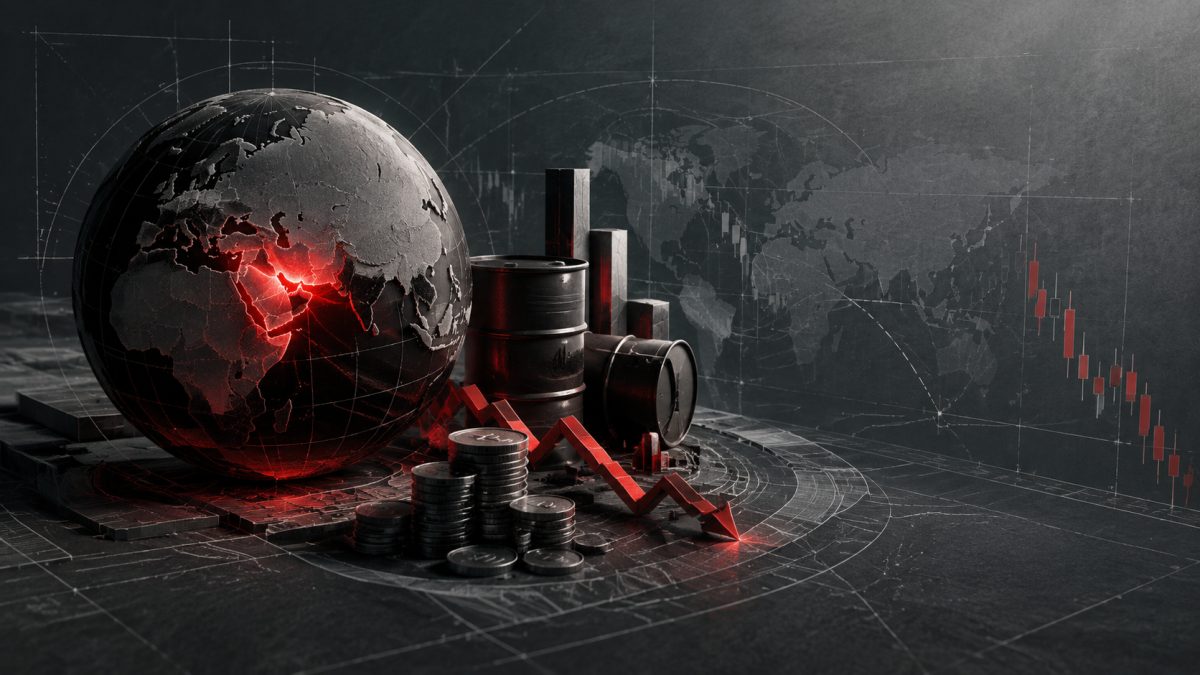
Historically, such aggressive rhetoric and military actions in the Middle East have led to immediate volatility in oil markets. Brent and WTI crude typically spike on supply disruption fears, especially given Iran’s strategic position in the Strait of Hormuz. Investors may also flock to traditional safe havens like gold, U.S. Treasuries, and the Swiss franc. In the crypto space, Bitcoin has occasionally been viewed as ‘digital gold,’ though its correlation with geopolitical risk is inconsistent.
Equity markets, particularly those with exposure to energy and defense sectors, could see mixed reactions. Defense stocks like Lockheed Martin and Raytheon may rally, while broader indices could face pressure from rising fuel costs and uncertainty.
Broader Economic and Policy Implications
The threat of a full-scale conflict with Iran would have far-reaching consequences for global supply chains, inflation, and central bank policies. A sustained oil price spike could reignite inflationary pressures, forcing the Federal Reserve and other central banks to maintain higher interest rates for longer. This would weigh on growth and risk assets, including cryptocurrencies.
Moreover, the geopolitical landscape is already fragile, with ongoing conflicts in Ukraine and tensions in the South China Sea. A new Middle East flashpoint could divert attention and resources, affecting diplomatic and trade relations worldwide.
Forward-Looking Perspective
Traders should brace for heightened volatility across all asset classes. The immediate focus will be on Iran’s response—whether it retaliates militarily, engages in cyberattacks, or seeks diplomatic channels. Any further escalation could trigger a flight to safety, while de-escalation could lead to a relief rally.
For crypto investors, the key is to monitor Bitcoin’s reaction as a potential hedge, but also to recognize that in times of extreme stress, liquidity can dry up, and correlations can shift. Diversification and risk management remain paramount.
As the situation evolves, market participants should stay informed and agile, ready to adjust portfolios in response to the next headline from the Middle East.