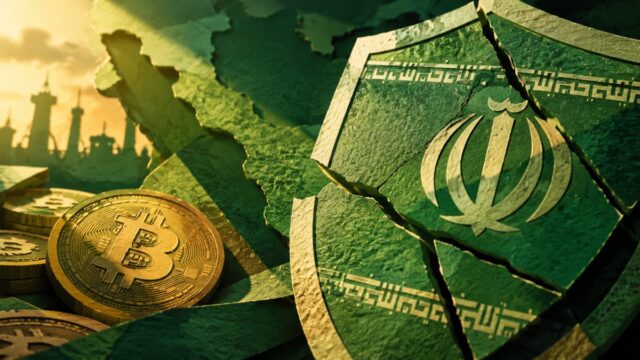
US Military Strikes on Iranian Targets: A Macroeconomic Watershed
TREE NEWS reports: On September 2, President Trump announced via social media that US forces are conducting large-scale strikes on Iranian targets near the Strait of Hormuz, in direct response to Iranian mine-laying and missile attacks on US assets. The President warned of overwhelming retaliation if Iran responds, stating that ‘the final blow is being prepared’ and that Iran would have ‘little left’.
Immediate Market Implications
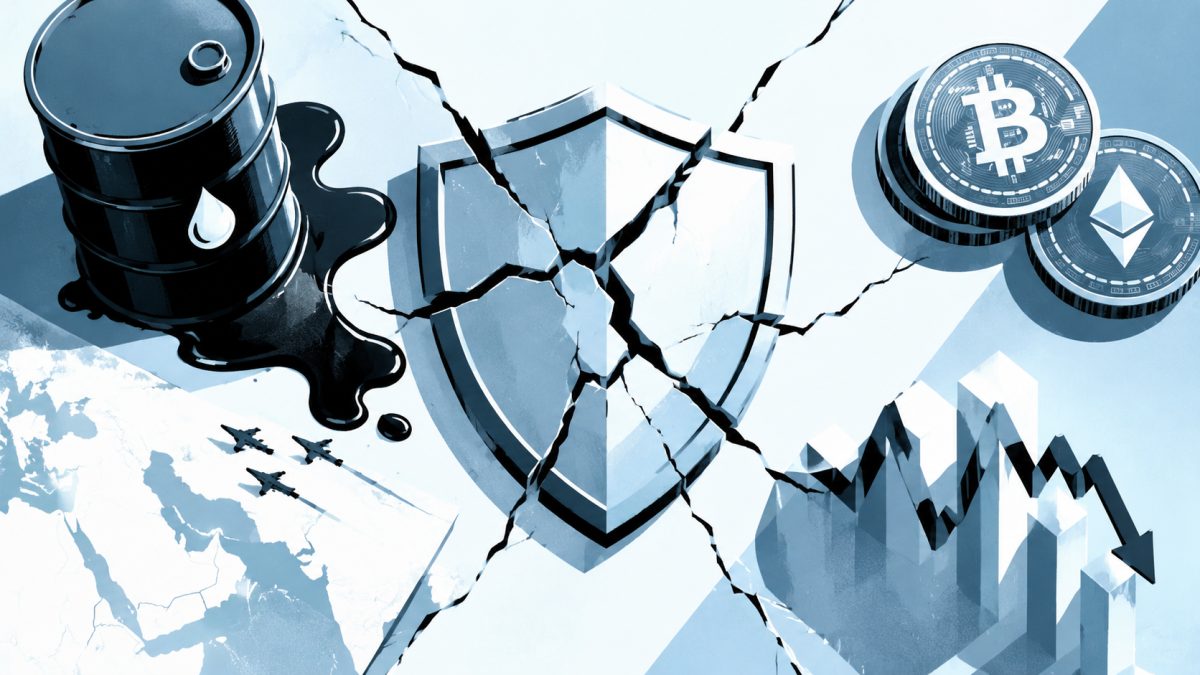
The Strait of Hormuz is the world’s most critical oil chokepoint, handling roughly 20% of global petroleum consumption. Any military escalation raises immediate concerns about supply disruptions. Historically, such geopolitical shocks trigger:
- Oil price spikes – Brent and WTI could see double-digit percentage gains in the short term, stoking inflation fears.
- Risk-off sentiment – Equities, especially tech and growth stocks, may face selling pressure, while gold and US Treasuries typically attract safe-haven flows.
- Volatility surge – The VIX could jump, and currency markets may see the dollar strengthen against commodity-linked and emerging market currencies.
Crypto as a Hedge?
Bitcoin and other cryptocurrencies have increasingly been viewed as ‘digital gold’ during geopolitical crises. However, their correlation with risk assets has been inconsistent. In this scenario, crypto could benefit from:
- Flight to decentralized assets – Investors seeking alternatives to traditional financial systems may turn to Bitcoin as a store of value.
- Increased demand for stablecoins – In volatile regional markets, stablecoins like USDT and USDC often see higher trading volumes as a safe haven for local currencies.
- DeFi resilience – Decentralized protocols may attract capital from users worried about sanctions or capital controls.
However, a broad risk-off move could also lead to initial crypto sell-offs as investors liquidate positions for liquidity. The net effect depends on the duration and severity of the conflict.
Forward-Looking Perspective
This event underscores the interconnectedness of geopolitics, traditional finance, and digital assets. For crypto investors, the key watchpoints are:
- Oil prices and inflation – Sustained spikes could force central banks to keep rates higher for longer, pressuring risk assets including crypto.
- Regulatory responses – Heightened geopolitical tensions often accelerate regulatory scrutiny on crypto for sanctions evasion, particularly in the US.
- Decentralization narrative – If traditional markets face prolonged uncertainty, the case for self-custody and permissionless finance strengthens.
In the near term, expect heightened volatility across all asset classes. The crypto market’s reaction will be a litmus test for its maturity as a macro asset. Stay tuned for further developments.