News Summary
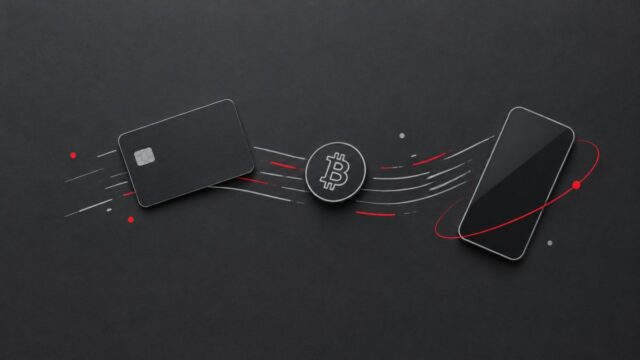
TREE NEWS reports: Binance has issued a warning about a surge in phishing SMS attacks targeting cryptocurrency users. Attackers are impersonating security alerts and embedding shortened links that, when clicked, can compromise accounts and steal funds. The exchange advises users never to verify or secure their accounts via SMS links and recommends using official channels for security checks.
Industry Analysis
This alert underscores a broader trend in the crypto ecosystem: as on-chain security improves, attackers are increasingly shifting to social engineering and off-chain vectors. Phishing via SMS is particularly dangerous because it exploits the trust users place in mobile notifications and often bypasses traditional email filters. The use of shortened URLs makes it harder for users to detect malicious destinations at a glance.
From an industry perspective, this development highlights the ongoing cat-and-mouse game between exchanges and bad actors. While Binance and other major platforms invest heavily in robust security infrastructure, the human element remains the weakest link. The rise of such attacks also reflects the growing value of crypto assets, making users more attractive targets for sophisticated phishing campaigns.
Moreover, this is not just a Binance-specific issue. The entire DeFi and CeFi ecosystem faces similar threats. Users who interact with multiple protocols and wallets are particularly vulnerable, as they may receive legitimate-looking alerts from various services. The lack of standardized security communication across platforms exacerbates the confusion, allowing attackers to exploit users’ uncertainty.
Implications for Users and Platforms
- User Education: Exchanges must invest more in educating users about phishing red flags, such as unsolicited SMS links or urgent language demanding immediate action.
- Technical Defenses: Platforms should consider implementing additional verification layers, such as in-app security notifications that are harder to spoof, and encourage users to enable hardware-based 2FA.
- Industry Collaboration: Sharing threat intelligence about phishing campaigns and malicious domains can help protect the broader ecosystem.
Forward-Looking Perspective
As the crypto market matures, we can expect phishing attacks to become even more sophisticated, potentially leveraging AI to craft personalized messages or deepfake voice calls. Regulatory pressure may also increase, pushing for stricter consumer protection standards in crypto communications. In the long term, the industry may move toward decentralized identity solutions and on-chain reputation systems that reduce reliance on easily spoofed channels like SMS.
For now, the immediate takeaway for users is simple: never click on security links sent via SMS. Always navigate directly to exchange websites or apps, and use official support channels to verify any suspicious alerts. Vigilance remains the first line of defense in an increasingly hostile threat landscape.