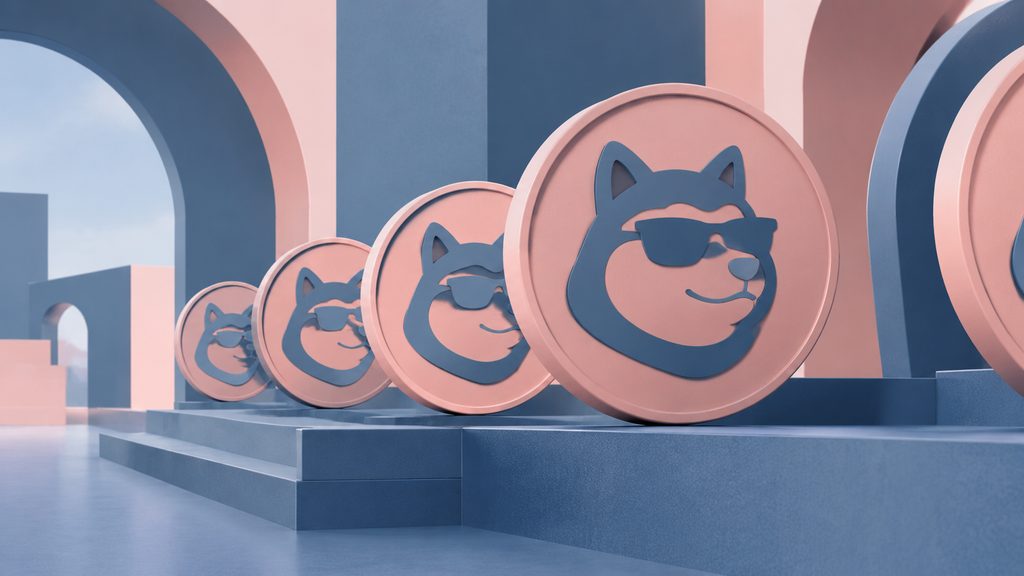
Robinhood Chain’s Meme Trench: How an RWA Chain Used Meme Coins to Win the Traffic War
Robinhood Chain, the new Layer-1 network backed by the retail trading platform, has quietly become the hottest battlefield for meme coin traders. In recent weeks, the chain has seen a surge of speculative tokens, with some posting 100x gains within hours. But beneath the froth lies a deliberate strategy: using meme coins as a cold-start mechanism to bootstrap liquidity and attention for a chain whose ultimate ambition is Real World Asset (RWA) tokenization.
News Summary
The report highlights a ‘meme trench’ on Robinhood Chain, where traders are deploying high-risk, high-reward strategies. The chain, designed to bridge TradFi and DeFi, is using this organic (and chaotic) activity to attract developers, users, and liquidity. Early data suggests that meme coin trading volumes on Robinhood Chain have surged, creating a vibrant ecosystem that was previously lacking.
Industry Analysis
This is a classic ‘grow the grass first, then bring the horses’ playbook. For any new L1, the chicken-and-egg problem is brutal: no apps without users, no users without apps. Meme coins solve this by being pure entertainment and speculation — they don’t need utility, just liquidity and hype. Robinhood Chain is leveraging its existing retail user base to create instant network effects.
However, the strategy is not without risks. Meme coin volatility can attract bots, scams, and regulatory scrutiny. For an RWA-focused chain, this could tarnish its institutional credibility. Yet, the upside is equally clear: a chain with active, engaged users is far more attractive to serious RWA protocols that need real transaction volume and fee revenue.
The report calls it a ‘high-risk, high-reward playground’ in the short term, but a ‘significant experiment in RWA cold-start’ in the medium term. By seeding the network with meme energy, Robinhood Chain is essentially renting attention to build infrastructure.
Forward-Looking Perspective
If Robinhood Chain can successfully transition this initial speculative wave into sustained DeFi activity, it could become a blueprint for other RWA chains. The key metric to watch is whether meme coin traders eventually migrate to yield-bearing RWA products, such as tokenized Treasury bills or real estate funds. If they do, the ‘meme trench’ will have served its purpose as the gateway drug to serious finance. If not, the chain may end up as just another casino with a fancy name.
For investors, the lesson is to distinguish between the noise and the signal. The meme wars are the noise; the underlying infrastructure build-out and institutional partnerships are the signal. Robinhood Chain’s long-term value will be determined not by the next dog coin, but by its ability to tokenize a billion dollars in real-world assets.