Robinhood’s Stock Token Pairing Ignites, Solana Clones the Playbook
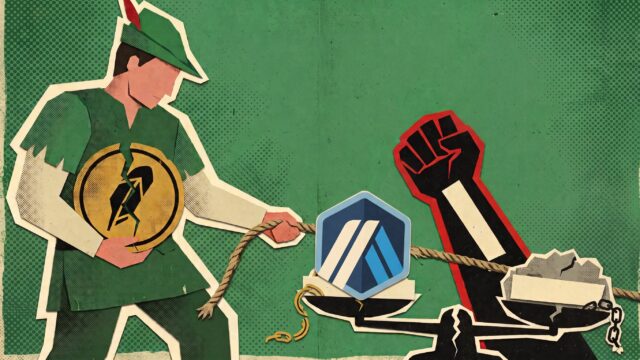
The battle over tokenized equities has escalated. AMC Entertainment publicly demanded that Robinhood delist its stock tokens, threatening legal action, only to be met with a blunt rebuttal from the trading platform. Meanwhile, Solana is rapidly replicating the coin-stock pairing model, and related meme projects are surging. On-chain data reveals capital migrating from Robinhood Chain to Solana, signaling a paradigm shift in how tokenized trading is structured.
News Summary
AMC’s demand highlights the friction between traditional finance and crypto-native tokenization. Robinhood, which has been expanding its crypto offerings, has refused to back down, asserting the legality and utility of its tokenized stocks. In parallel, Solana-based developers have launched similar coin-stock pairings, with meme tokens like "AMC" and "GME" analogs gaining traction. Blockchain analytics show a notable flow of funds from Robinhood Chain to Solana, as traders seek lower fees and higher throughput.
Industry Analysis
This development underscores a growing trend: the tokenization of real-world assets (RWA) is moving beyond real estate and treasuries into equities. Robinhood’s move to tokenize stocks on-chain is a bold step, but it faces regulatory gray areas and pushback from issuers like AMC, who argue that tokenized shares could confuse investors and violate securities laws. However, Robinhood’s counter-argument is that its tokens are fully collateralized and comply with existing regulations.
Solana’s rapid adoption of this model is telling. Its high-speed, low-cost infrastructure makes it an ideal venue for such pairings, and the meme-coin culture amplifies speculative interest. The capital migration suggests that traders view Solana as a more efficient arena for this hybrid trading, potentially at the expense of Robinhood’s proprietary chain.
Yet, the legal ramifications are significant. If AMC pursues litigation, it could set a precedent that stifles innovation or, conversely, legitimizes tokenized equities under certain conditions. The SEC’s stance remains unclear, but the agency has previously signaled that tokenized securities fall under its purview.
Forward-Looking Perspective
In the near term, expect more friction between issuers and platforms, but also more experimentation. Solana’s meme-driven approach may attract retail attention, but sustainability will depend on regulatory clarity. If Robinhood can navigate the legal landscape, it might establish a compliant template that bridges TradFi and DeFi. Conversely, a court ruling against Robinhood could push tokenized stocks into darker corners of the crypto ecosystem.
For investors, the key metric to watch is whether real trading volume follows the capital flows. If tokenized stocks gain genuine utility—such as 24/7 trading, fractional ownership, and seamless DeFi integration—they could reshape equity markets. But without legal certainty, this remains a high-risk, high-reward frontier.