Semiconductor Rally Gets a New Catalyst
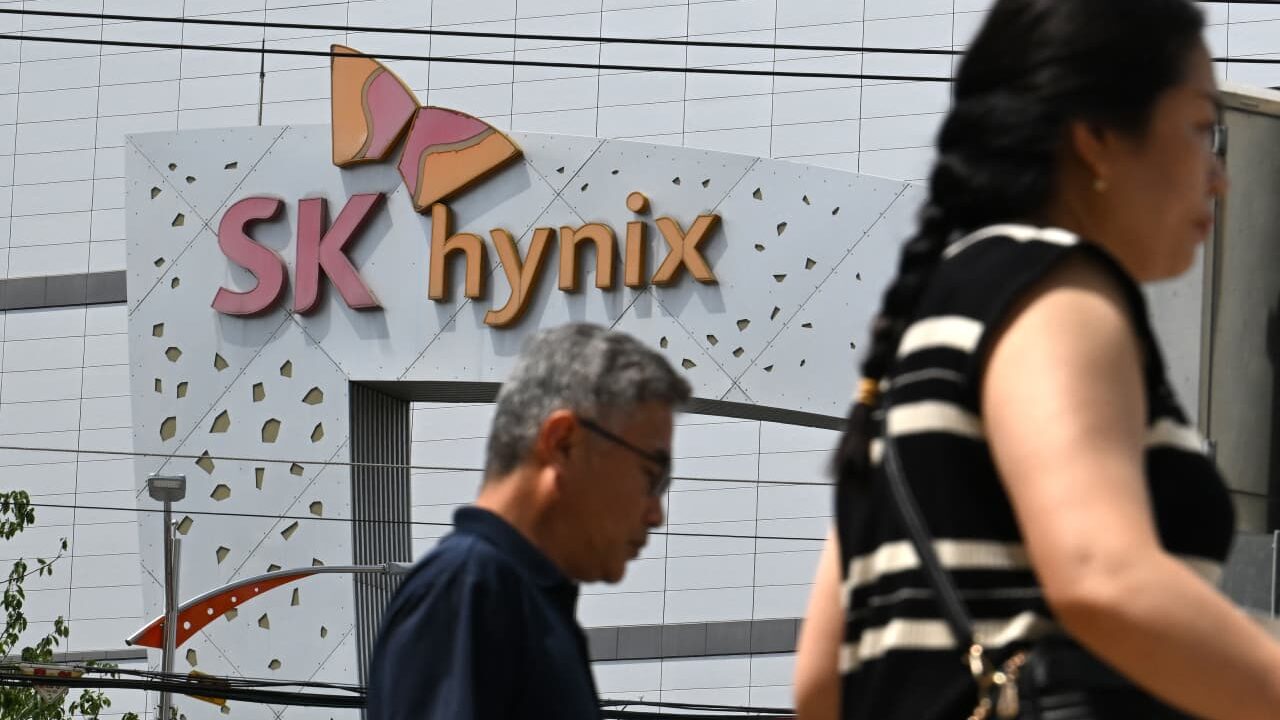
TREE NEWS reports: The semiconductor sector, which has been steadily recovering since its July 29 trough, received a fresh boost this week following the launch of OpenAI’s latest Astra model. The AI powerhouse’s new multimodal system, designed to process vast amounts of data in real time, has renewed investor enthusiasm for memory chipmakers—a key beneficiary of the AI infrastructure buildout.
What Happened
OpenAI unveiled Astra, its newest AI model, which promises enhanced reasoning and real-time data processing capabilities. The model’s architecture relies heavily on high-bandwidth memory (HBM) and advanced DRAM, components that are essential for handling the massive computational loads required by next-generation AI systems. This technical requirement has directly translated into a surge in demand expectations for memory chip suppliers like SK Hynix, Samsung Electronics, and Micron Technology.
The announcement comes at a critical juncture. The Philadelphia Semiconductor Index (SOX) had already climbed more than 15% from its late-July low, driven by earlier AI optimism and a broader tech rebound. Astra’s launch appears to have accelerated this trend, with memory chip stocks outperforming the broader semiconductor complex in recent trading sessions.
Market Impact Analysis
Stocks: The immediate impact is visible in the equity markets. Memory chipmakers and their suppliers are seeing increased buying interest, with Micron and SK Hynix leading gains. Beyond pure-play memory names, the rally is spilling over into semiconductor equipment makers (like Applied Materials and Lam Research) and AI hardware infrastructure companies (such as NVIDIA and AMD), as investors anticipate a sustained capex cycle.
Bonds: The renewed tech optimism has a muted effect on fixed income. However, if the AI-driven rally persists and boosts corporate earnings expectations, we could see a slight upward pressure on yields as risk appetite improves. Conversely, any signs of overheating in tech valuations could prompt a flight to safety, benefiting government bonds.
Crypto: The correlation between AI news and crypto markets remains indirect but notable. AI-related tokens—such as those powering decentralized compute networks (e.g., Render Network, Akash Network)—have shown positive momentum in tandem with AI infrastructure news. Bitcoin and Ethereum, however, are more influenced by macroeconomic factors and regulatory developments, so the Astra launch has limited direct impact on their prices.
Commodities: The memory chip trade has implications for certain commodities, particularly those used in semiconductor manufacturing. Palladium, copper, and rare earth elements could see increased demand as chipmakers expand production capacity. Additionally, energy costs are a factor, as data centers and fabs consume significant electricity, potentially supporting natural gas and renewable energy stocks.
Currencies: The strengthening of the tech sector tends to benefit currencies of countries with large semiconductor industries, such as the South Korean won (SK Hynix, Samsung) and the Taiwanese dollar (TSMC). The US dollar may also appreciate if the AI rally reinforces the perception of US technological leadership and attracts foreign investment.
Why This Matters for Investors
The Astra launch is not just a product release; it’s a signal of the accelerating pace of AI innovation. For investors, this means the memory chip cycle—often seen as cyclical and volatile—may have a longer runway than previously expected. The demand for HBM and advanced DRAM is being driven by structural shifts in computing, not just seasonal upgrades.
However, caution is warranted. The semiconductor sector is notorious for boom-and-bust cycles, and current valuations already reflect significant growth expectations. Investors should watch for signs of inventory buildup or order cancellations that could signal a peak. Additionally, geopolitical tensions—particularly around Taiwan and export controls—remain a wildcard for the entire supply chain.
Key Takeaways
- Memory chips are the new AI battleground: OpenAI’s Astra model underscores the critical role of HBM and DRAM in next-gen AI.
- Diversification within tech: Consider exposure across the AI value chain—memory, equipment, and infrastructure—to balance risk.
- Monitor macro signals: Interest rates and global trade policies can quickly alter the semiconductor outlook.
- Stay nimble: The sector is prone to sharp reversals; maintain stop-losses and rebalance regularly.
As AI models become more sophisticated, the hardware that powers them will remain a focal point for investors. The Astra launch is a reminder that in the world of AI, the chips are just as important as the software.