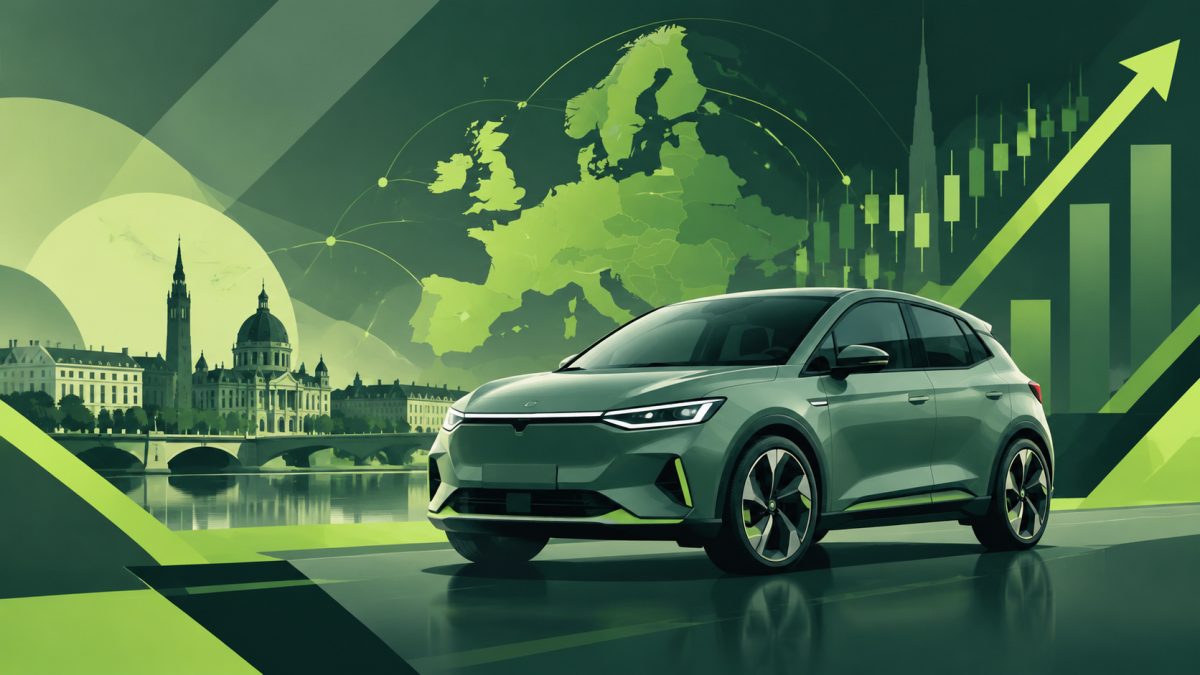
Audi Targets Europe’s EV Market with New A2 Compact
TREE NEWS reports: Audi has unveiled its new A2 compact electric vehicle, a strategic move aimed squarely at Europe’s increasingly competitive EV segment. The announcement signals the German automaker’s intent to capture a larger share of the mass-market electric car demand, directly challenging rivals like Tesla, Volkswagen, and Stellantis. While the news centers on product strategy, its ripple effects are expected across the automotive equity landscape, battery supply chains, and related commodities.
What Happened
The A2 is positioned as an entry-level EV, designed to compete in the compact segment—Europe’s largest car market category. Audi, a subsidiary of Volkswagen Group, aims to leverage its premium brand reputation while offering a more accessible price point. The vehicle is expected to feature cutting-edge battery technology and autonomous driving assistance, aligning with EU emissions targets and consumer demand for affordable electric mobility. Production is slated to begin in 2025 at a yet-unnamed European plant, with initial sales targeting Germany, France, and the Nordic countries.
Market Impact Analysis
Automaker Stocks: The announcement is a direct challenge to Tesla’s Model 2 (expected in 2025) and Volkswagen’s ID.2, both vying for the same compact EV niche. Audi’s move could pressure Tesla’s European sales growth, which has already faced headwinds from rising competition. Conversely, Volkswagen Group shares may see a modest boost as investors view the A2 as a catalyst for the group’s overall EV transition. Stellantis, with its Peugeot e-208 and Opel Corsa-e, faces increased pricing pressure, potentially squeezing margins.
Suppliers and Battery Makers: The A2’s success hinges on battery supply. Audi is likely to source cells from Northvolt or CATL, given European localization requirements. This could benefit these suppliers, as well as material producers like Albemarle (lithium) and Glencore (cobalt). However, any production delays or cost overruns could negatively impact the supply chain.
Commodities and Currencies: A shift toward cheaper EVs may increase demand for lithium and nickel, supporting prices. Conversely, if Audi prices the A2 aggressively, it could accelerate the decline of internal combustion engine (ICE) vehicles, reducing oil demand forecasts—bearish for crude. In currencies, the euro may strengthen if European automakers gain global EV market share, while the Chinese yuan could face headwinds if European-made EVs reduce imports from China.
Bonds and Broader Market: Auto sector bonds, especially those of Volkswagen, could see improved sentiment if the A2 is well-received. However, the capital expenditure required for new EV platforms may increase debt loads, a factor credit rating agencies will watch. In the broader stock market, the news reinforces the EV transition theme, potentially lifting tech and battery-related ETFs.
Key Takeaways for Investors
- Watch competitive dynamics: Tesla and Stellantis may need to adjust pricing strategies, impacting their margins and stock valuations.
- Supply chain plays: Battery and material suppliers are critical beneficiaries; monitor Audi’s cell sourcing announcements.
- Macro implications: The A2 could accelerate EV adoption, affecting oil demand and commodity prices.
- Regulatory tailwind: EU’s 2035 ICE ban makes such launches timely; investors should align portfolios with regulatory trends.
Audi’s A2 is more than a car—it’s a litmus test for Europe’s ability to compete in the global EV race. Investors should track pre-order numbers and production ramp-up as leading indicators. The next 12 months will be pivotal, as the A2’s success could reshape the European automotive landscape and reverberate through financial markets.