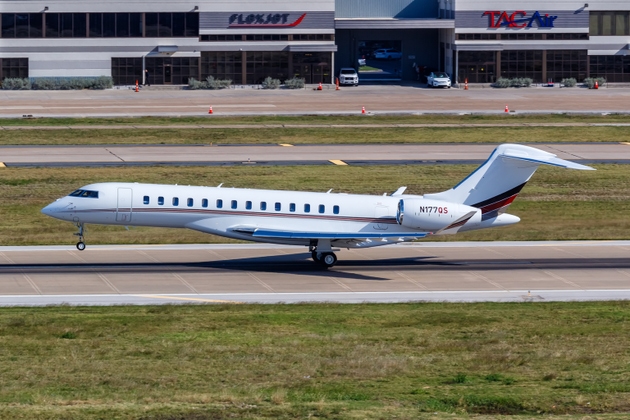
Trump Threatens to Block Bombardier Plane Sales in US: Market Impact Analysis
TREE NEWS reports: In a dramatic escalation of trade tensions, former President Donald Trump has threatened to halt the sale of Bombardier aircraft in the United States, citing unfair trade practices and national security concerns. The announcement, made during a rally in Ohio, specifically targets the Canadian manufacturer’s business jet and commercial aircraft divisions, potentially disrupting a multi-billion-dollar market.
What Happened
Trump’s threat comes as part of a broader protectionist agenda, with the former president vowing to impose severe restrictions on Bombardier’s US operations unless the Canadian government agrees to renegotiate trade terms favorable to American manufacturers. Bombardier, headquartered in Montreal, has significant US sales, particularly for its Challenger and Global business jets, as well as its C Series (now Airbus A220) commercial aircraft.
The threat follows a long-standing trade dispute between Boeing and Bombardier, which saw the US impose a 292% anti-dumping duty on Bombardier’s C Series in 2017, later overturned after Airbus acquired a majority stake. Trump’s new stance suggests a renewed effort to protect domestic aerospace interests, potentially targeting Bombardier’s remaining US market presence.
Market Implications
Stocks: Bombardier’s shares (TSX: BBD.B) could face immediate volatility, with potential downside if investors perceive a loss of US market access. US aerospace peers like Boeing (BA) and Textron (TXT) might see short-term gains if Bombardier is squeezed out, but broader supply chain disruptions could offset benefits.
Bonds: Bombardier’s corporate bonds, already rated below investment grade, could widen further if the threat materializes, given the company’s reliance on US sales for revenue. Credit default swaps may spike as investors hedge against default risk.
Crypto: The impact on cryptocurrencies is likely indirect. However, if trade tensions escalate, risk-off sentiment could drive Bitcoin lower in the short term, while gold and other safe-haven assets might benefit.
Commodities: Aluminum and titanium, key inputs for aircraft manufacturing, could face price volatility if supply chains are disrupted. US tariffs on Canadian goods might raise costs for Bombardier, but also for US manufacturers relying on Canadian components.
Currencies: The Canadian dollar (CAD) could weaken against the USD if trade relations sour, as investors price in reduced export prospects. A prolonged dispute might also prompt the Bank of Canada to adopt a more dovish stance.
Why It Matters for Investors
This threat underscores the ongoing uncertainty in US-Canada trade relations, which extends beyond aerospace into broader sectors like agriculture and energy. For investors, it highlights the need to monitor political rhetoric that can swiftly alter market dynamics. Aerospace stocks, particularly Bombardier, remain sensitive to policy shifts, while diversified portfolios should consider geopolitical risk factors.
Moreover, the move could set a precedent for other trade actions, affecting multinational companies’ strategies and cross-border investments. Investors should watch for concrete actions, as threats alone may not lead to immediate policy changes, but sustained pressure could reshape the competitive landscape.
- Monitor Bombardier’s earnings calls for management’s response and mitigation strategies.
- Watch for official US government actions—presidential threats are not executive orders.
- Diversify exposure to aerospace and defense to mitigate sector-specific risks.
- Track CAD/USD for trade sentiment signals.