Robinhood Chain Rally Cools: Meme Coins Retreat as Stock-Meme Narrative Faces Scrutiny
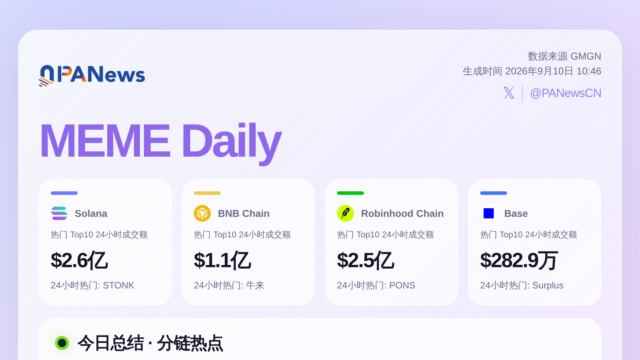
The on-chain frenzy that followed the rollout of Robinhood’s blockchain initiative is losing steam. Popular meme tokens tied to the ecosystem have pulled back sharply from recent highs, and the so-called “stock meme” narrative — tokens that mirror or parody listed equities — is now under heavy scrutiny from traders who had chased the theme just weeks ago.
The cooldown is arriving faster than many market participants expected. Volume across the most-watched tokens has thinned, bid depth has deteriorated, and speculative capital that rotated in during the initial buzz appears to be rotating out again.
What Drove the Rally — and What Is Unwinding
The original catalyst was straightforward: a mainstream retail brokerage moving meaningful activity on-chain. That gave traders a fresh narrative, a recognizable brand, and a wave of liquidity looking for a home. Meme tokens were the fastest expression of that thesis, and stock-linked meme assets offered an extra hook — blending equity culture with crypto-native speculation.
- Narrative fatigue: Once the launch headlines faded, there was little follow-through to sustain valuations.
- Thin fundamentals: Most of these tokens have no cash flows, no protocol revenue, and no lockups — only attention.
- Reflexive selling: As prices slipped, momentum traders exited, amplifying drawdowns.
- Stock-meme skepticism: Regulators and market participants alike question whether tokenized equity proxies create confusion about actual ownership.
Why the Stock-Meme Narrative Is Being Questioned
The stock-meme concept sits in an awkward middle ground. It borrows the cultural energy of equities and the mechanics of tokens, but delivers neither the legal rights of a shareholder nor the clean decentralization story of a native crypto asset. When liquidity is abundant, that ambiguity is easy to ignore. When liquidity tightens, it becomes the first thing investors reprice.
There is also a structural issue: if the underlying premise is that retail wants on-chain exposure to familiar names, then the eventual winners are more likely to be compliant tokenized-equity products from established venues than unofficial meme proxies. That would leave the current cohort of stock-meme tokens competing against better-capitalized, better-licensed alternatives.
What to Watch Next
The pullback does not invalidate the broader thesis that retail brokerage activity is migrating on-chain. It does suggest that the first wave of tokens captured excitement rather than durable demand. Key signals ahead include whether trading volume stabilizes at a higher baseline than pre-launch levels, whether any of these tokens develop real utility or governance, and whether regulated tokenized-equity offerings begin to crowd out the meme versions.
For now, the market is doing what it usually does after a narrative spike: separating assets with staying power from those that were only ever a trade. The Robinhood Chain story is not over — but the easy phase of it likely is.